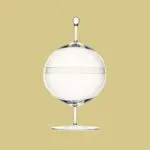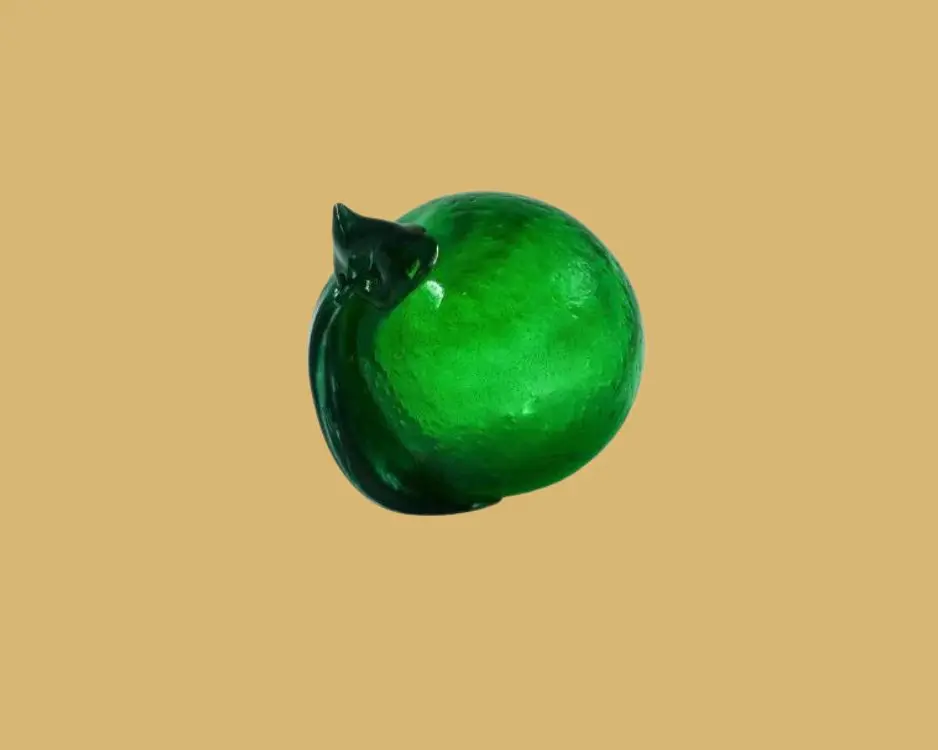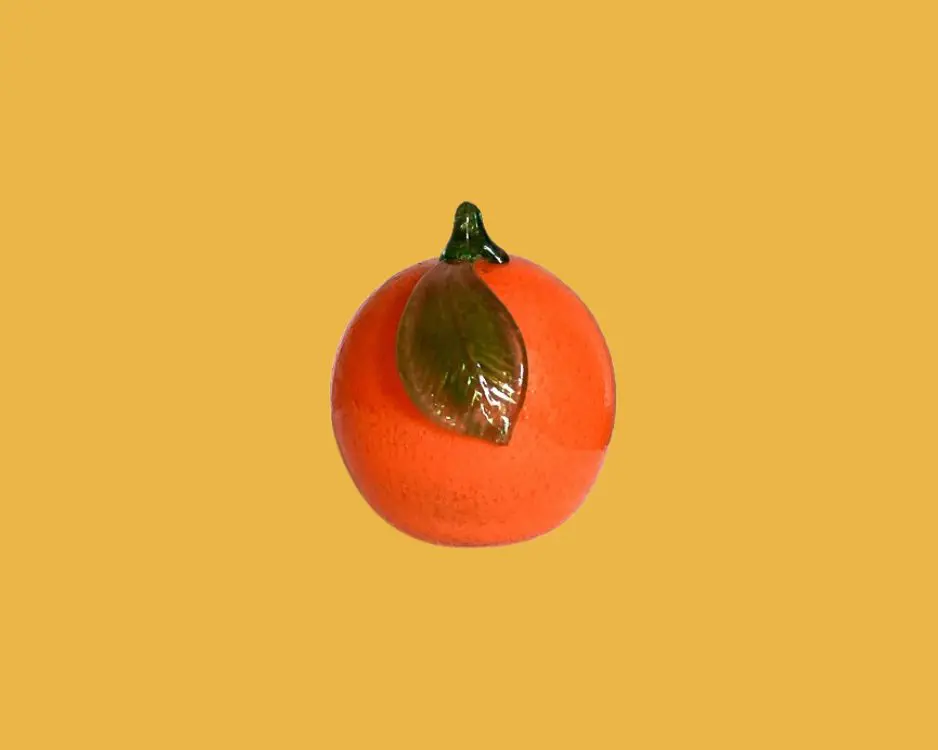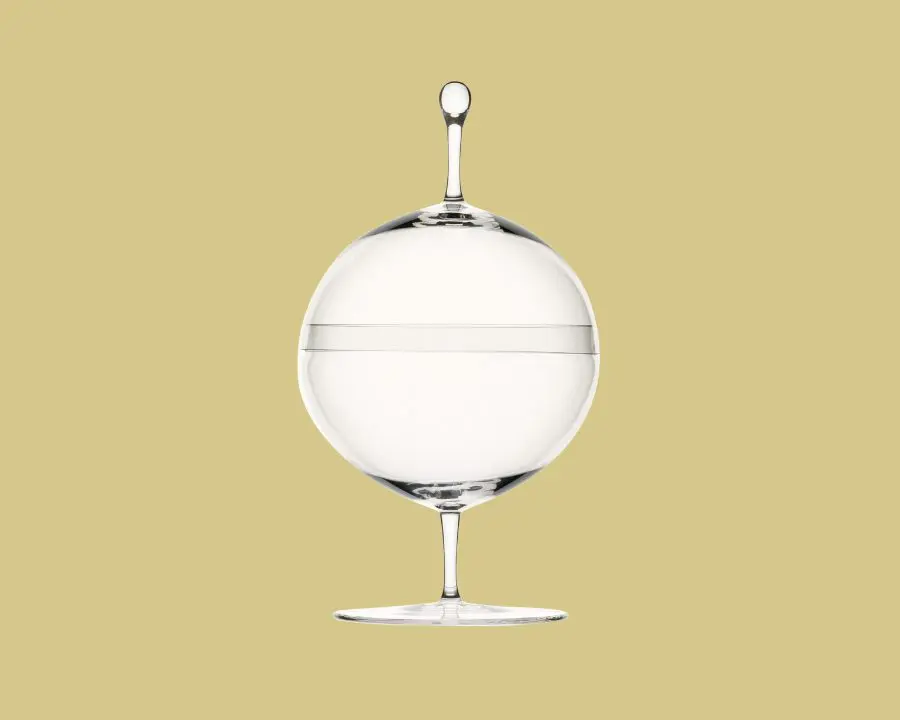
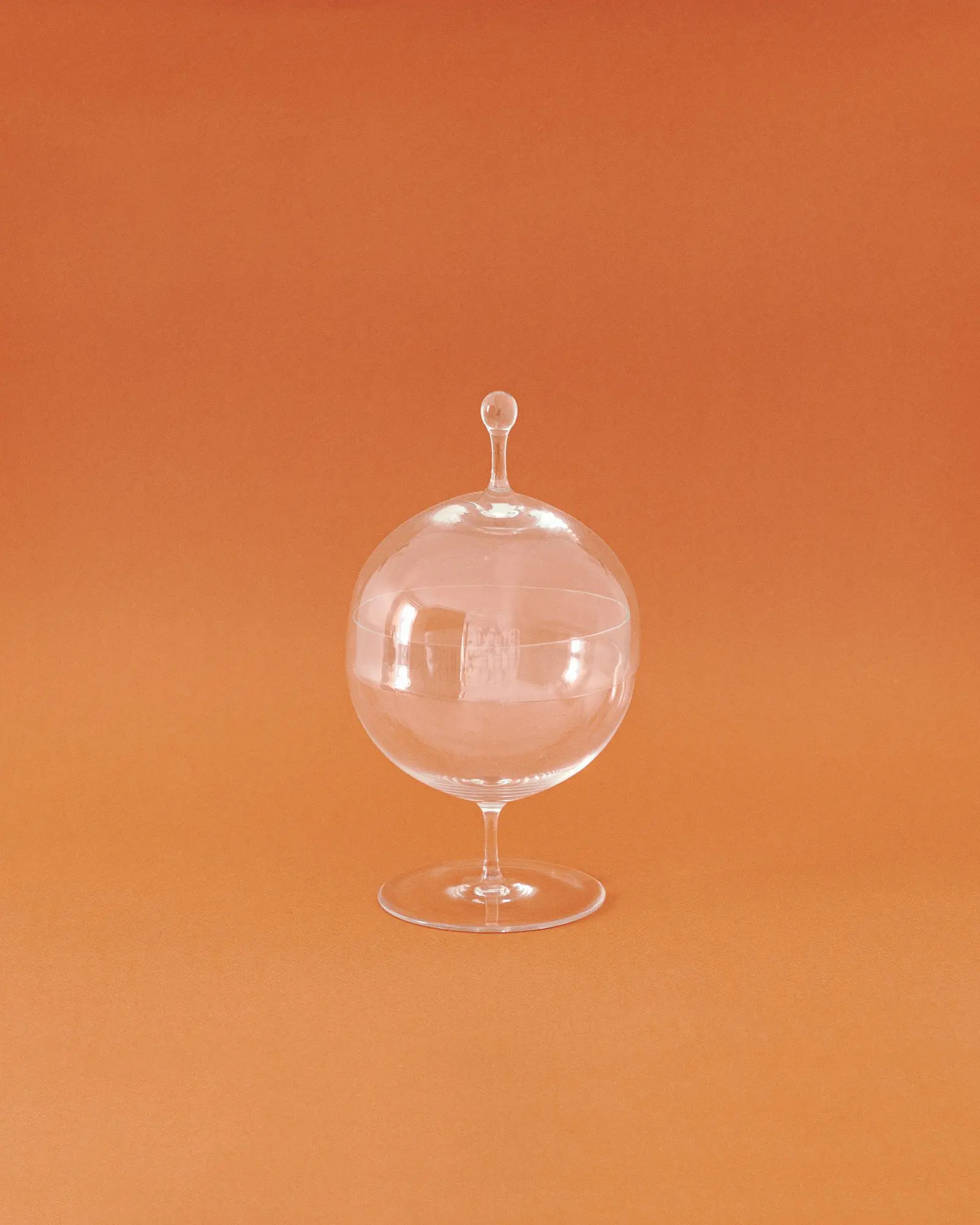
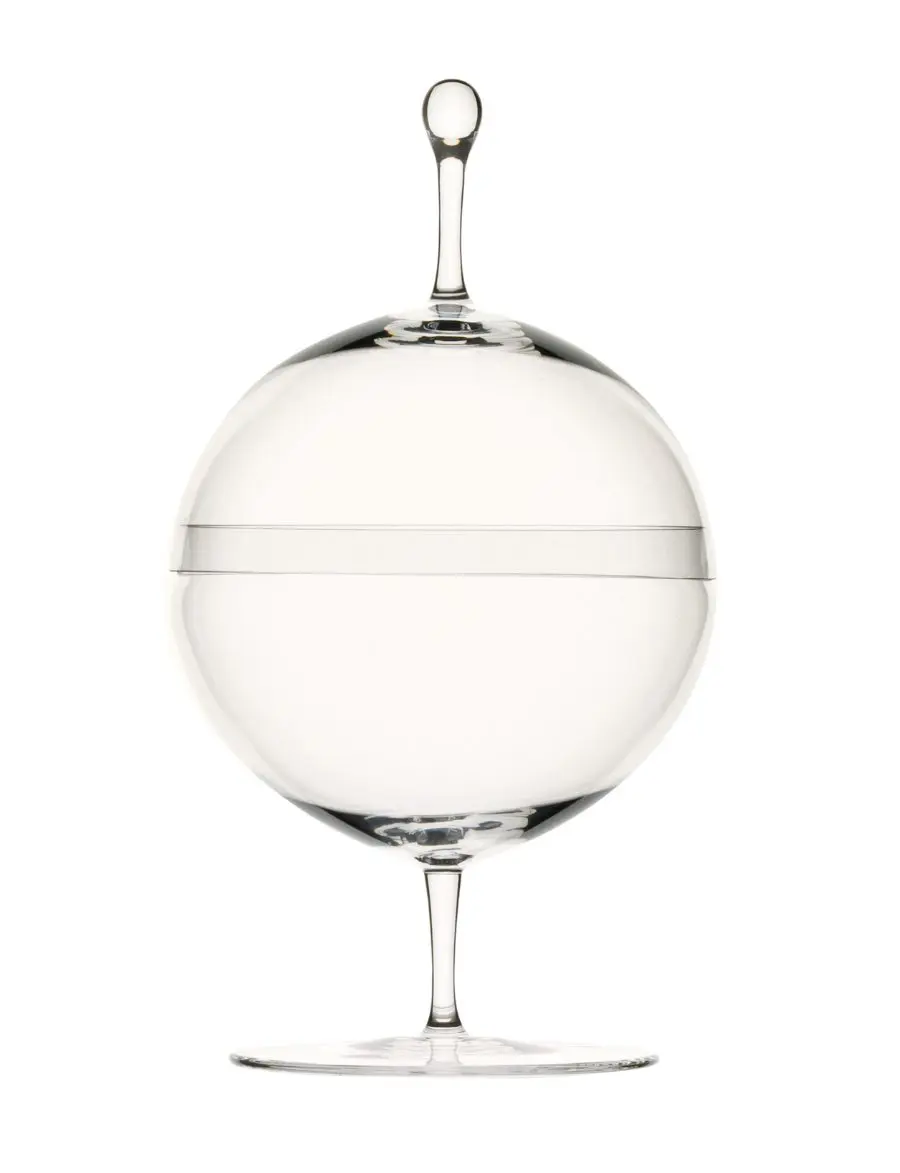
- Candy dish
- Material: lead-free crystal / hand blown
- Design by Oswald Haerdtl, 1925
Depth: 10 cm / 3.9"
Height: 17.5 cm / 6.9"
Dimensions for Small Size: Length: 8 cm / 3.1"
Depth: 8 cm / 3.1"
Height: 13.8 cm / 5.4"
-
Come and see this piece in our Paris, New-York and London Showroom(s)
-
Shop it now, get it now
- Your purchase is securely packed, protected & insured by trusted couriers who specialise in transporting fine art and design pieces
- See our Delivery and Returns guide
- Select White Glove delivery for the ultimate convenience - choose a delivery slot, full unpack & install and removal of all waste
Delivery
Standard Delivery Service
Delivery service to front door of house/building
The carrier should automatically schedule delivery for 7 working days after dispatch and advise you of the delivery date directly
Please note that if your items are being shipped to Northern Ireland or the Republic of Ireland, delivery may take longer due to customs checks. Additional surcharges will apply for deliveries to ROI only
The Candy Dish was first exhibited at the Paris “Exposition des Arts Décoratifs” in 1925, the very fair that gave its name to the Art Deco movement. Simple in outline yet ingenious in construction, it distills that era’s love of elegant restraint into a single small object for the table.
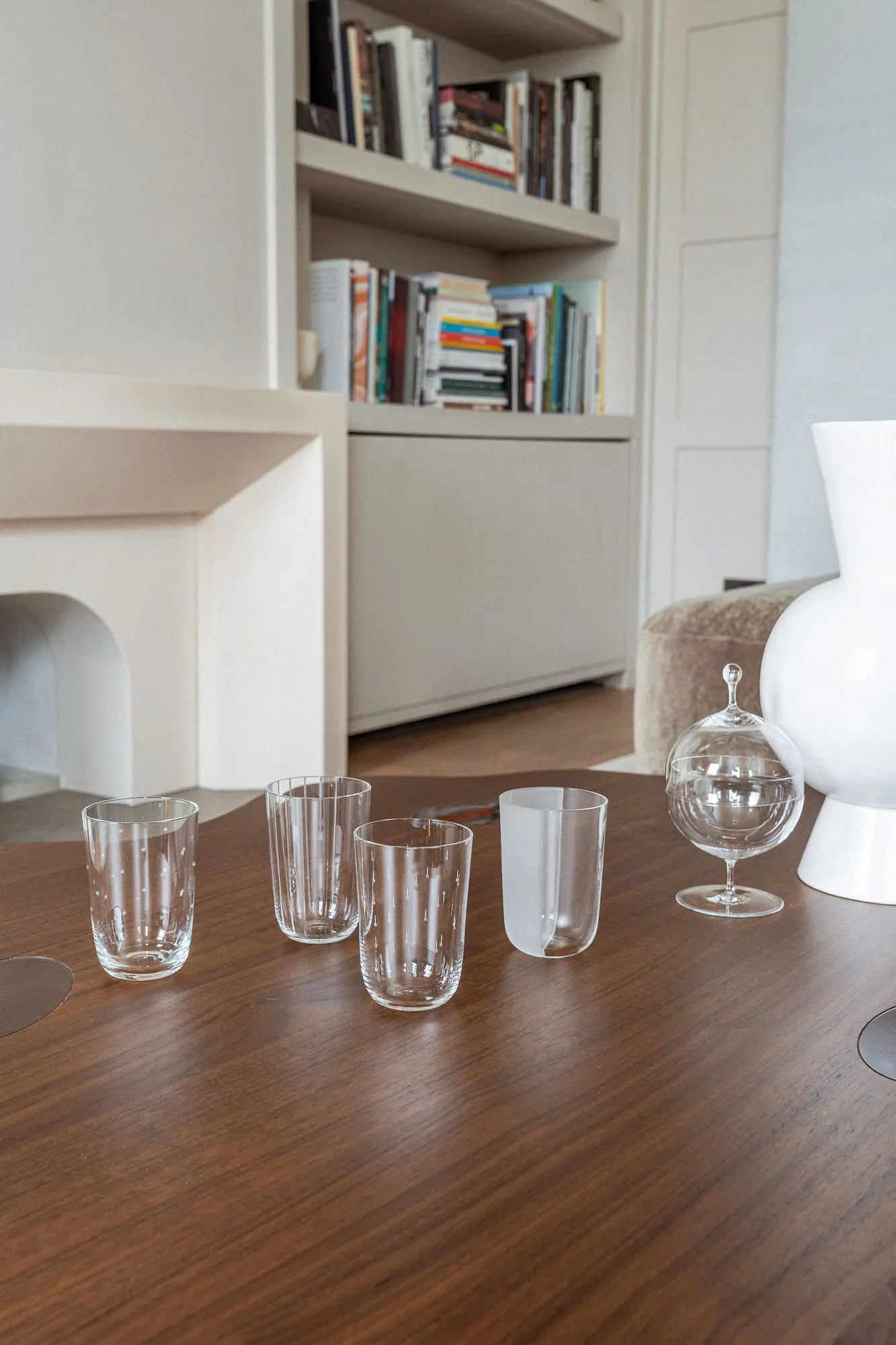
Made from delicate, mouth-blown muslin glass, the dish captivates through its elegant lightness, the glass so fine it seems to hold barely more weight than the sweets it is meant to carry. Nearly a century on, it remains a quietly luxurious way to dress a coffee table or console.
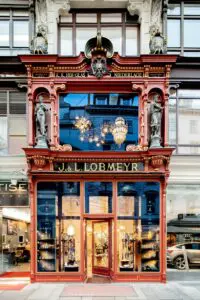
Now in its sixth generation as a family business, the fine Austrian glassware maker J. & L. Lobmeyr was founded in 1823 by Joseph Lobmeyr, who, from his little shop in the heart of Vienna, became Purveyor to the Imperial Court. The glasses are still mouth-blown, cut, engraved and polished by hand. As the company focuses on the contemporary interpretation of glass, it never stops cultivating its heritage, marked by the ground-breaking collaborations with legendary designers in the likes of Josef Hoffmann, Adolf Loos, Ted Muehling and Michael Anastassiades. Lobmeyr crystal can be found in museums' collections including the MoMA New York, V&A London and the MAK in Vienna."