

This Fourth of July, America turns 250, and France won’t need an invitation to join the celebrations. The two countries have shared more than treaties and revolutions. For two and a half centuries, they have cultivated a romance of talent and imagination, elevating one another. Rather than a divide, the Atlantic has always been a passage, where ideas, people and culture have traveled back and forth:


The Statue of Liberty sailed from Paris to New York, where it became America’s most iconic symbol of welcome.


Fashion traveled in the stylish trunks of New York tastemakers: think Edith Wharton and the Vanderbilts crossing to Paris to shop Jacques Doucet and bringing home French couture.


Hemingway and Fitzgerald found in Paris and on the Riviera excitement and inspiration, writing home about it and shaping both American literature and a certain idea of France in the American imagination.


The ineffable Cedric Gibbons visited the 1925 Paris Arts Décoratifs exhibition and carried its geometry, lacquer and glamour back to Hollywood, giving cinema a new visual language.


Jean-Michel Frank brought his signature aesthetic of refinement and restraint to American interiors, designing Nelson Rockefeller’s apartment, where Cubist masterpieces conversed with iconic furnishings. (To be fair, the path had been opened decades earlier by Elsie de Wolfe, who transformed New York interiors by replacing heavy Victorian rooms with the lightness and sophistication of French furniture and fabrics.)


John Coltrane, Thelonious Monk and Miles Davis, to name but three, found in France audiences who embraced jazz as modern art.

La Nouvelle Vague crossed the Atlantic through screens and reels, inspiring New Hollywood to become more personal, freer, sharper and, ultimately, more real.
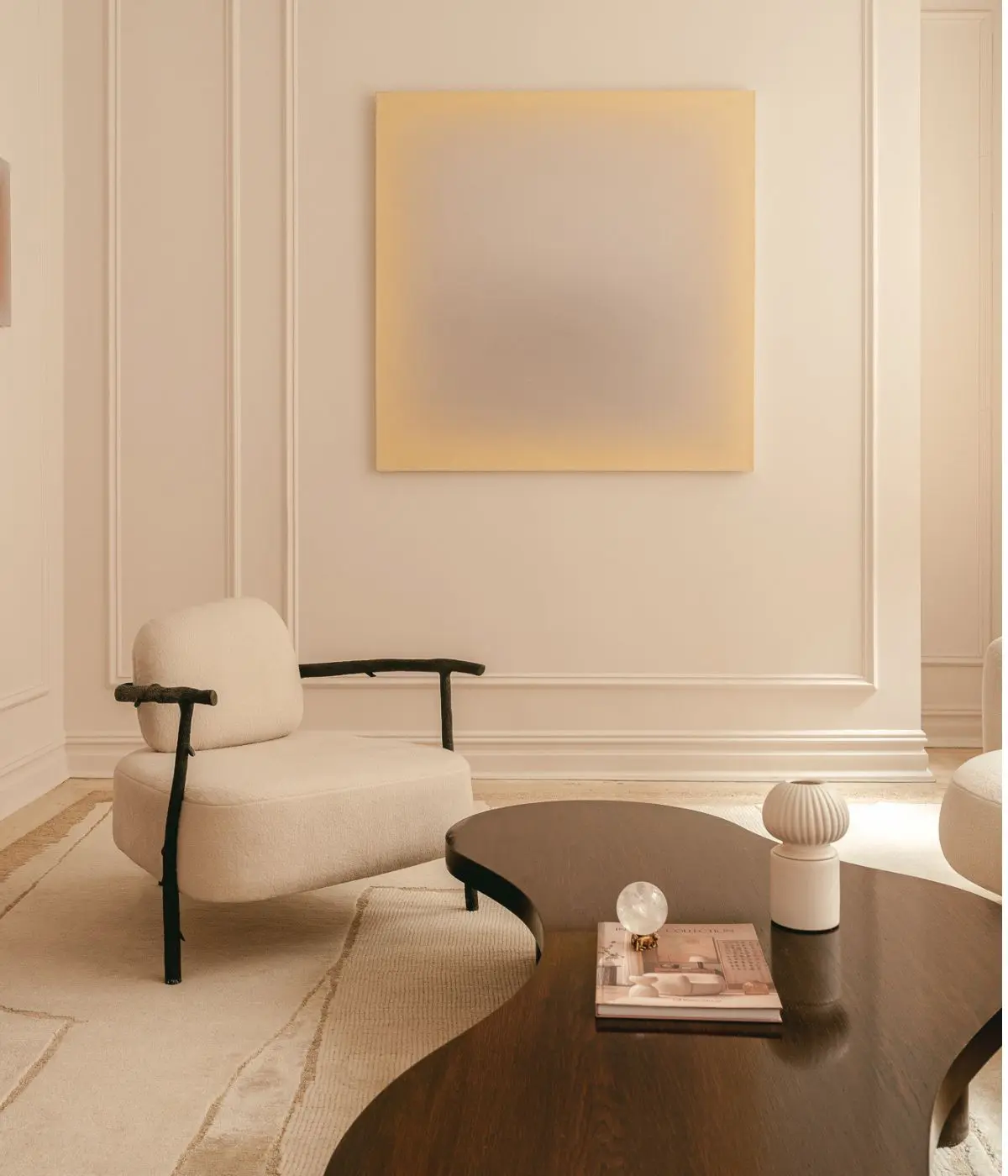
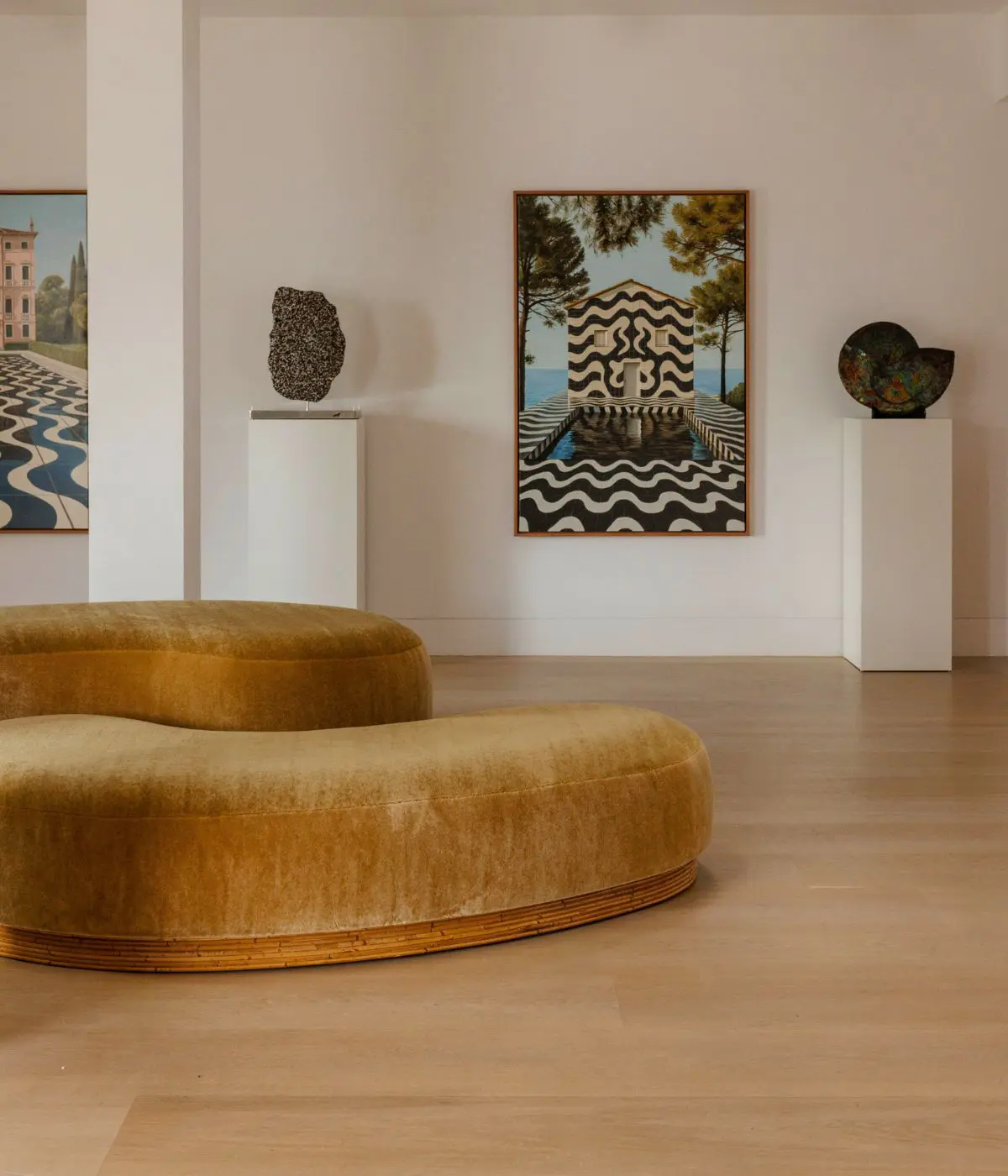
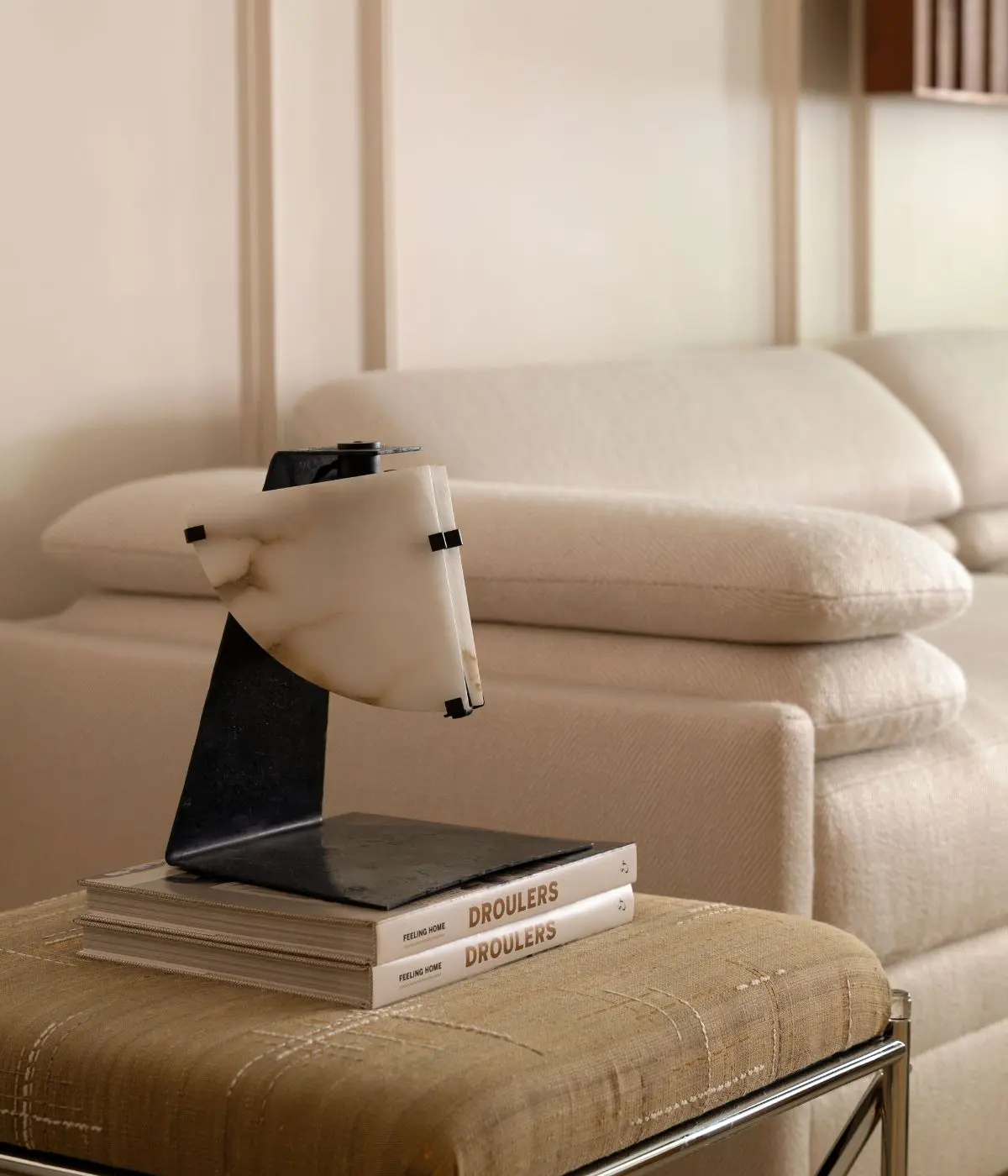
Today, the affair continues. Invisible Collection brings contemporary collectible design from France to America, introducing exceptional craftsmanship to a new generation of collectors from New York to the West Coast.