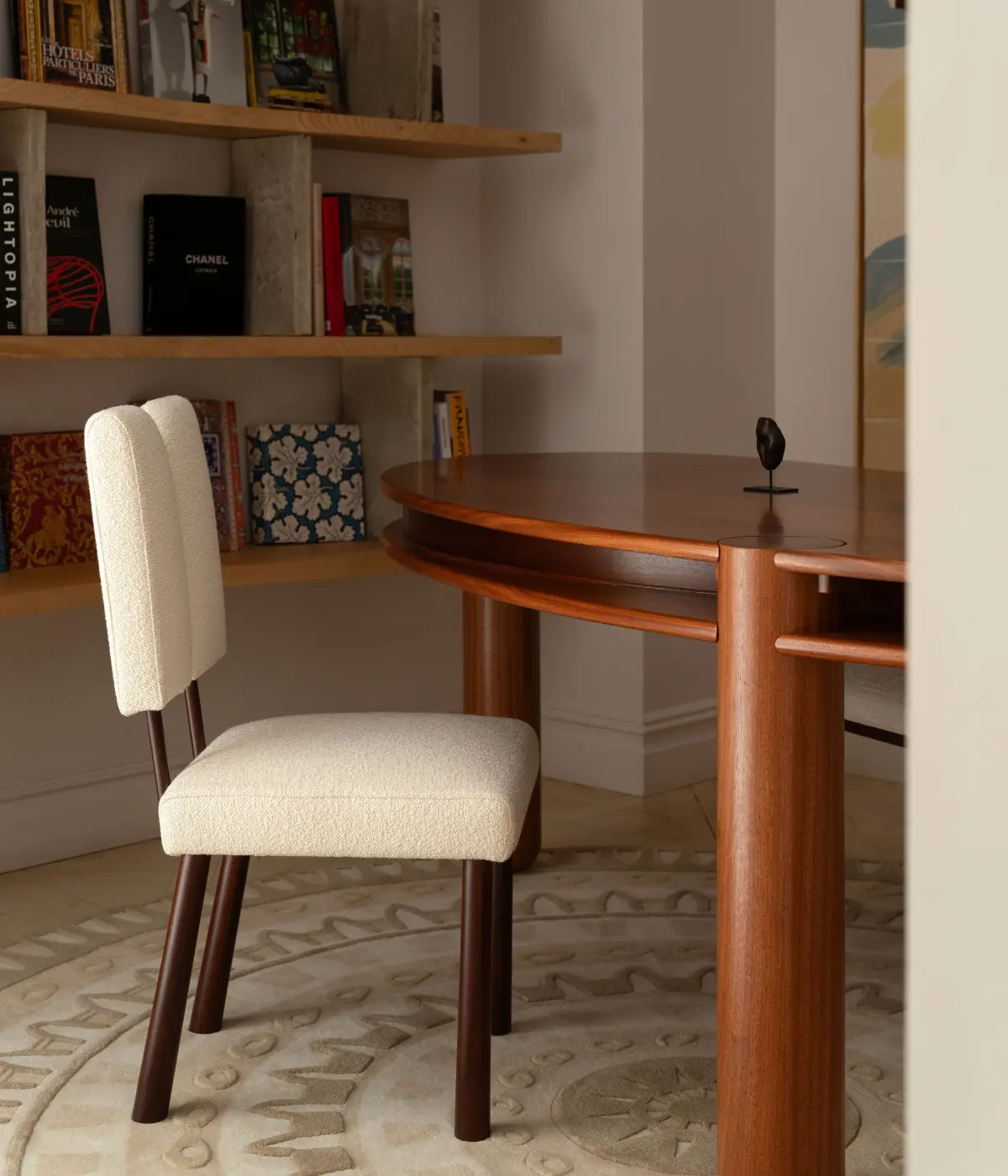
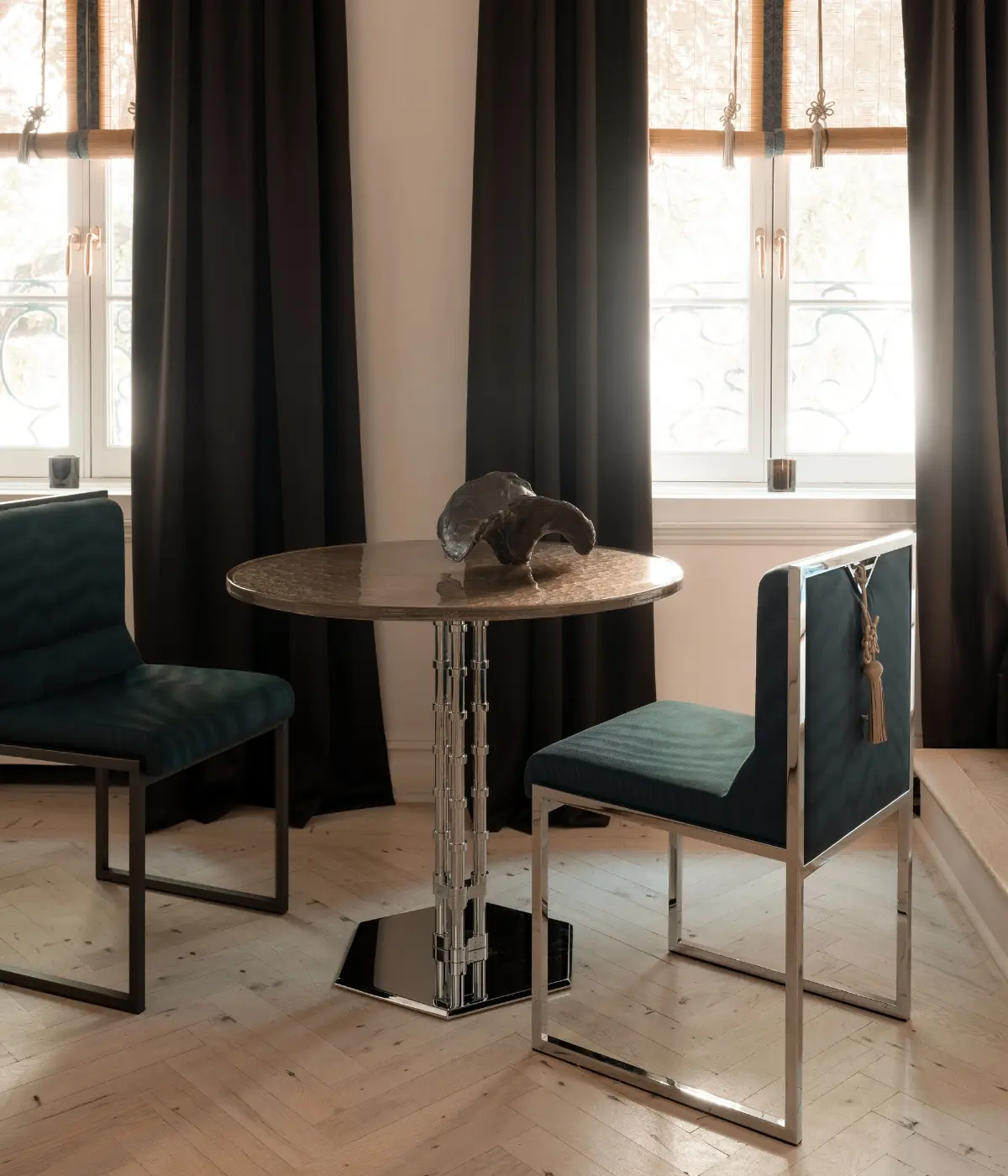
During one of her seminal lectures, Anni Albers reflected on the overlap between utility and art in both textiles and architecture, observing: “We use a house as much as we use a fabric. Usefulness does not prevent a thing, anything, from being art. It is the thoughtfulness, care, and sensitivity in regard to form that makes a house or a fabric turn into art and it is this degree of thoughtfulness, care, and sensitivity that we should try to achieve.” The reference to Anni Albers in an article about Dedar is intentional: besides revering her legacy, we also want to praise Dedar’s brilliant initiative of working closely with the Albers estate to reissue some fabrics originally designed by Anni Albers. Her timeless, cultivated style is now celebrated in a collection that brings depth and character, and feels perfect for the unique furniture pieces curated by Invisible Collection. With this in mind, we take a look at our exhibition Roomscapes, currently on show at our New York gallery, and explore how Dedar dressed and transformed the iconic designs from Collezione Droulers and Maison Leleu.

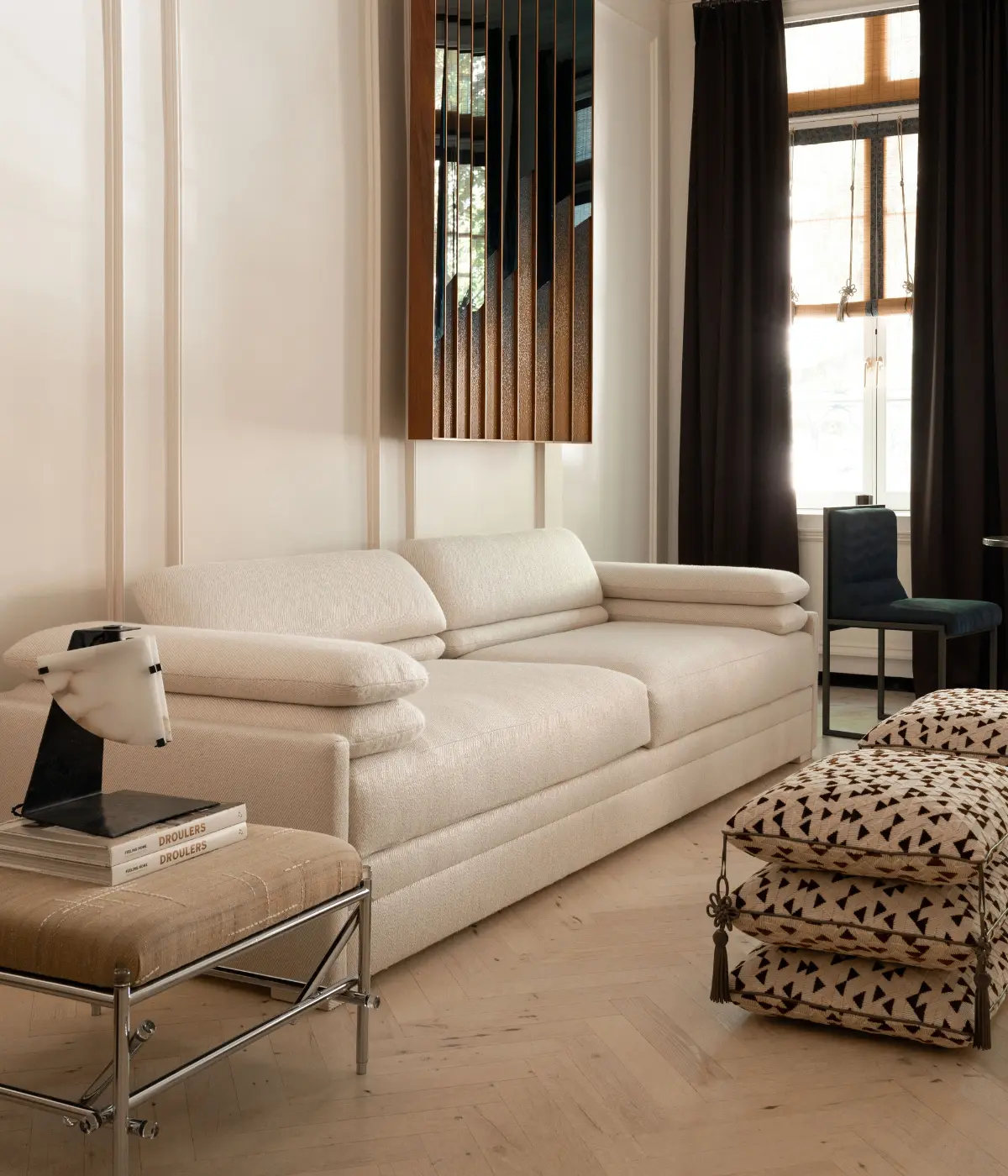
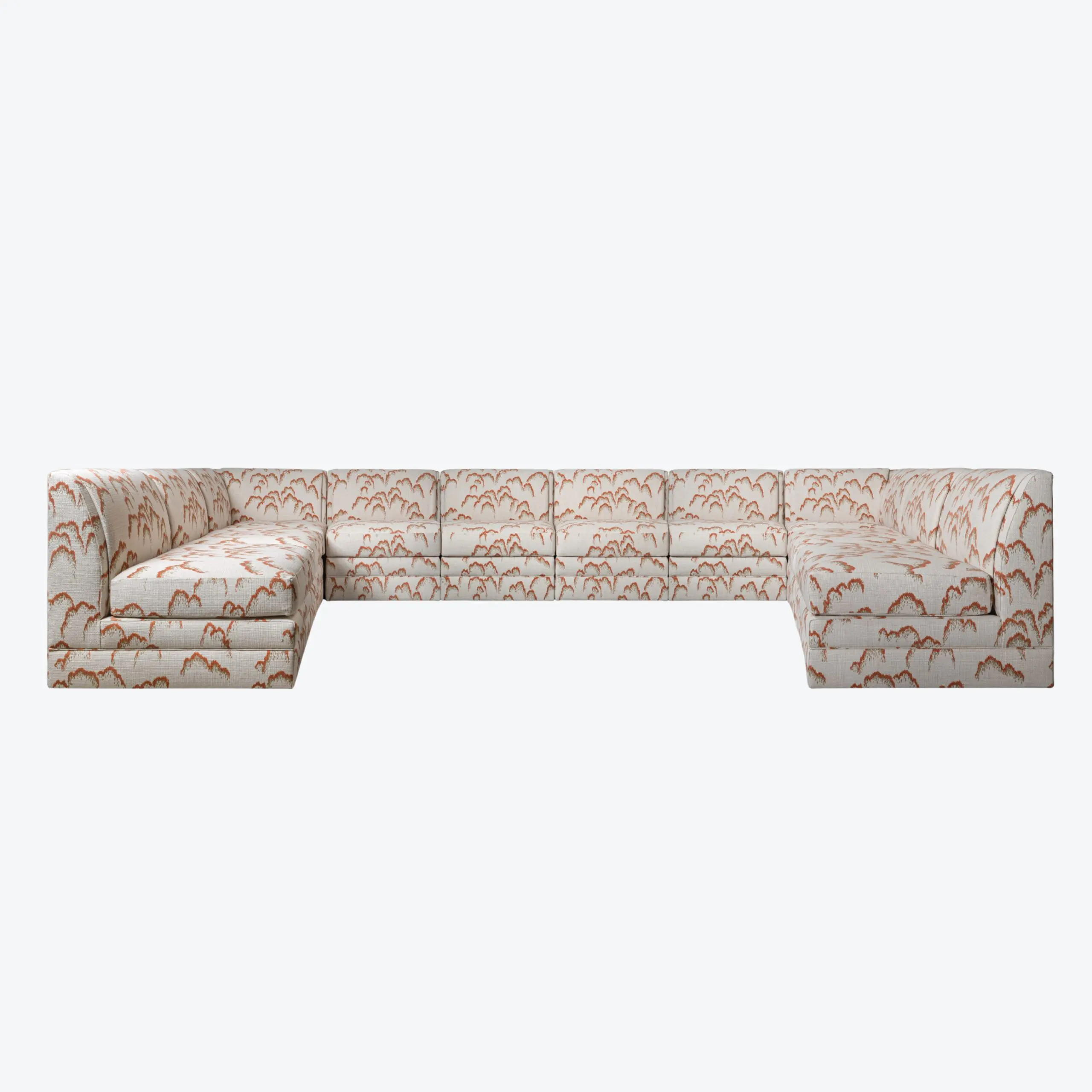
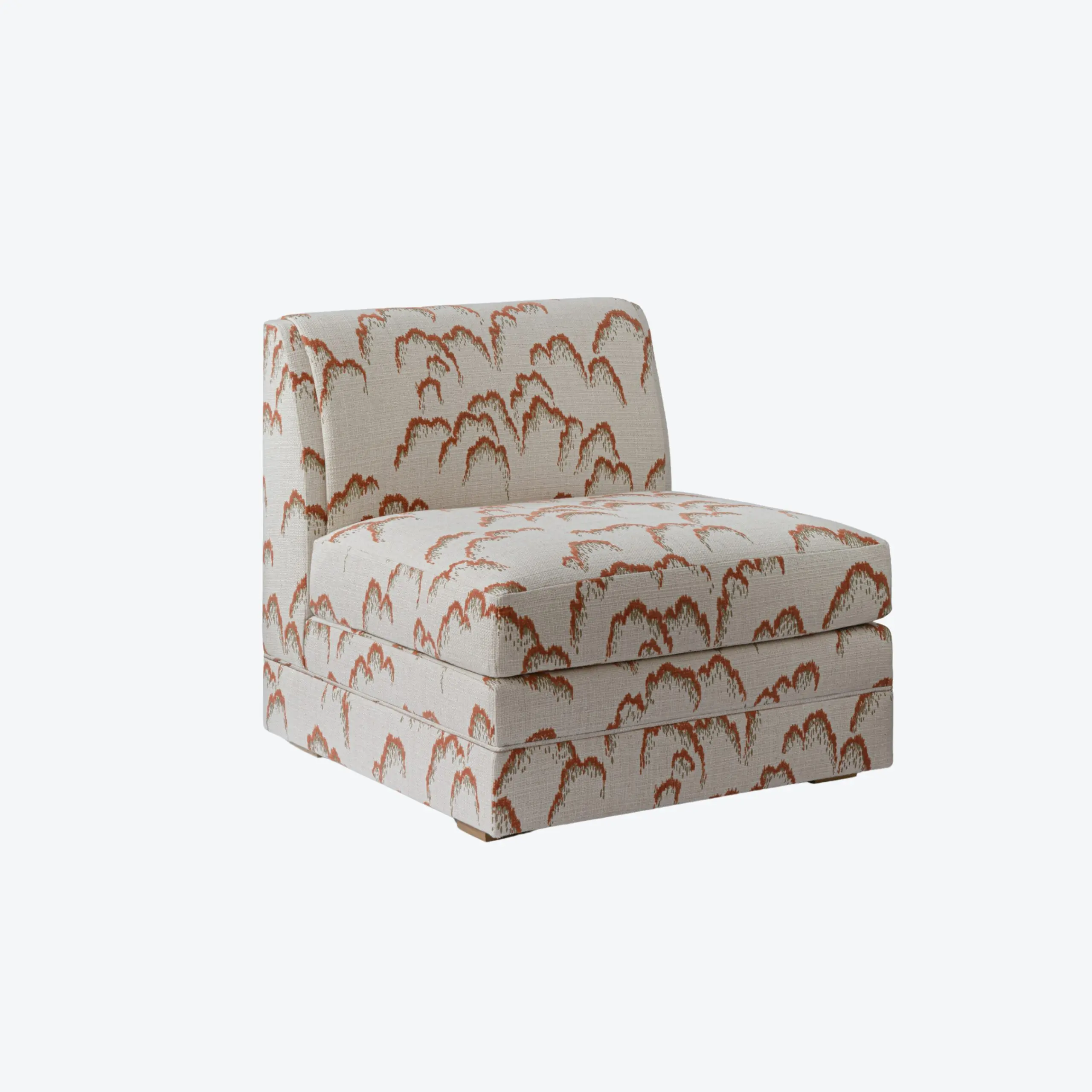
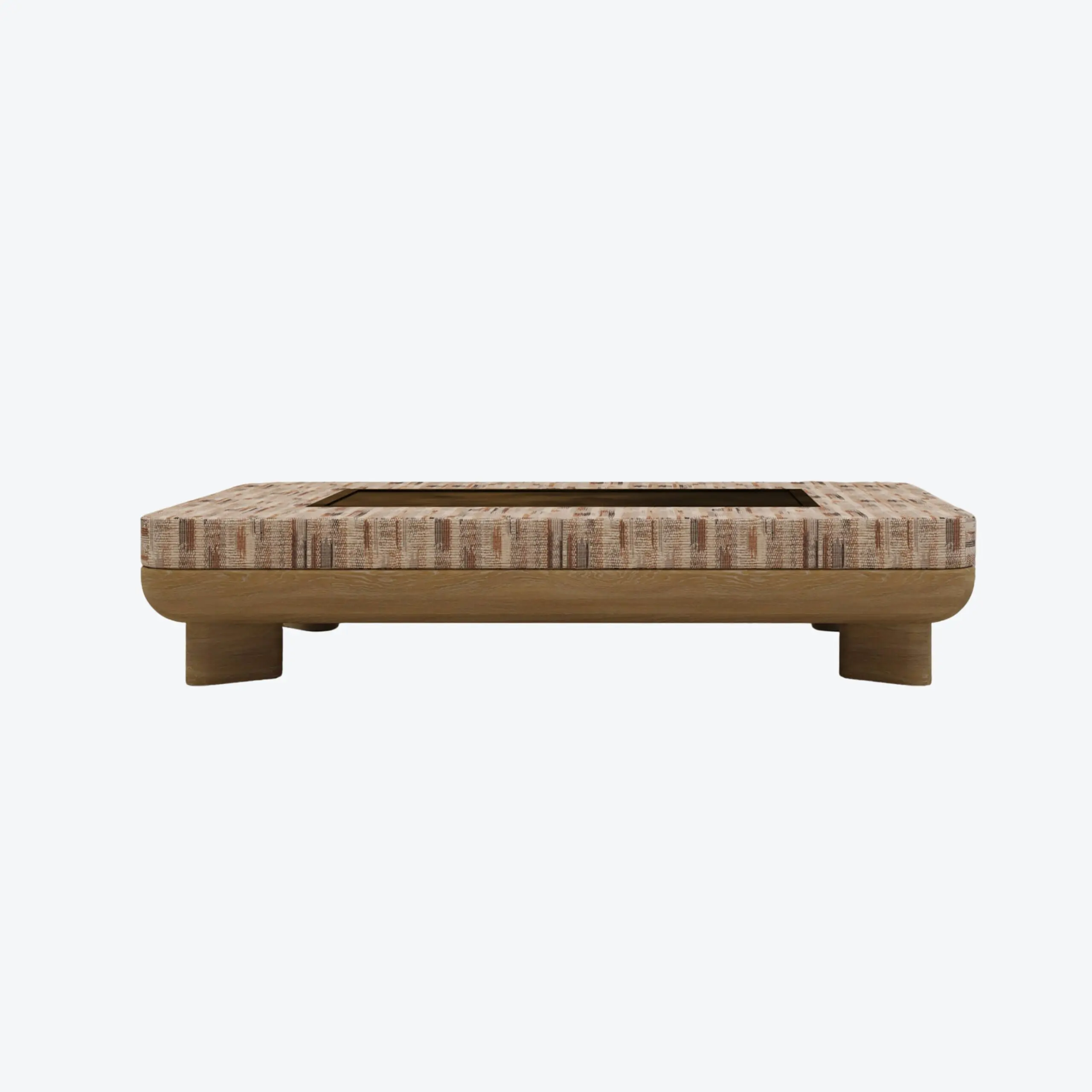
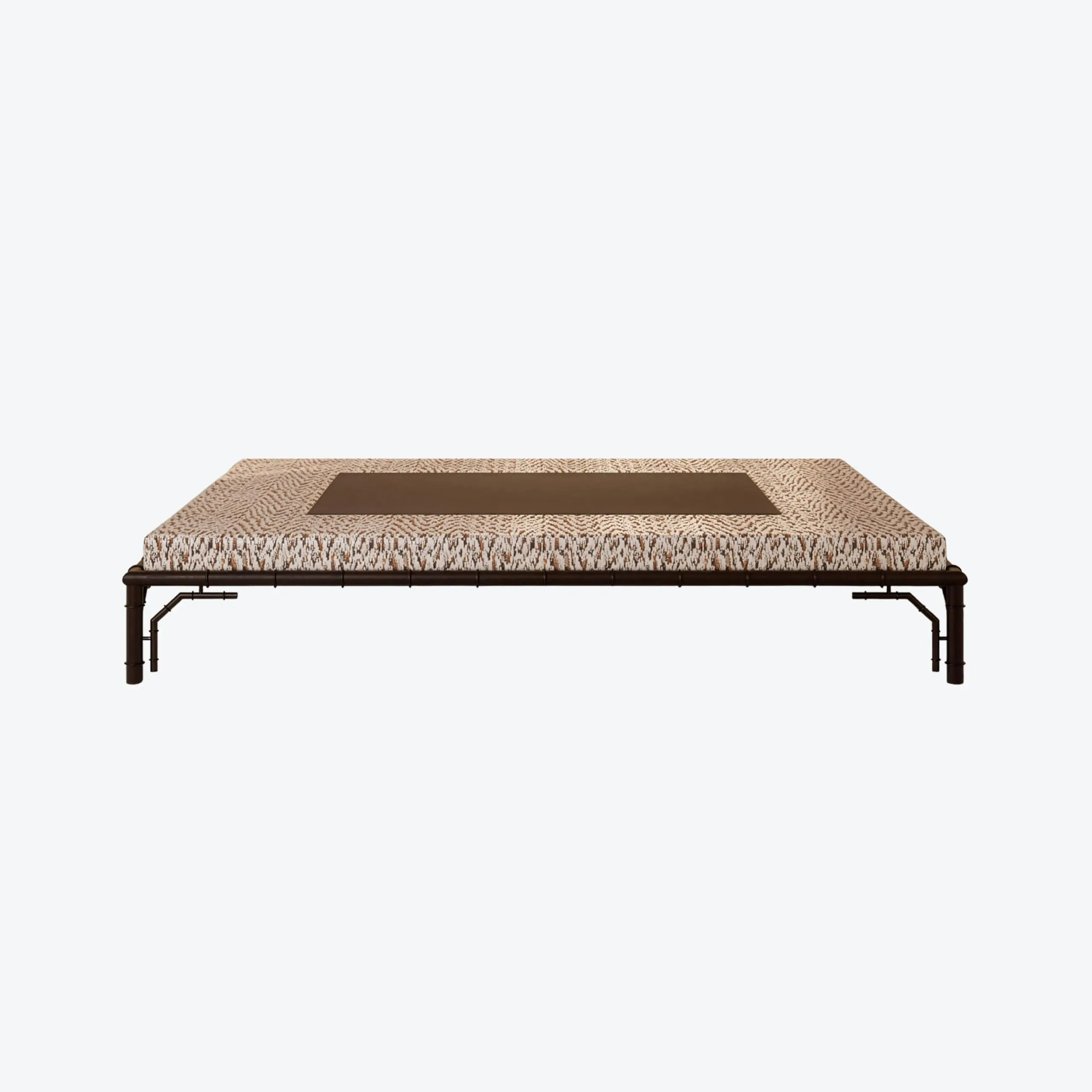
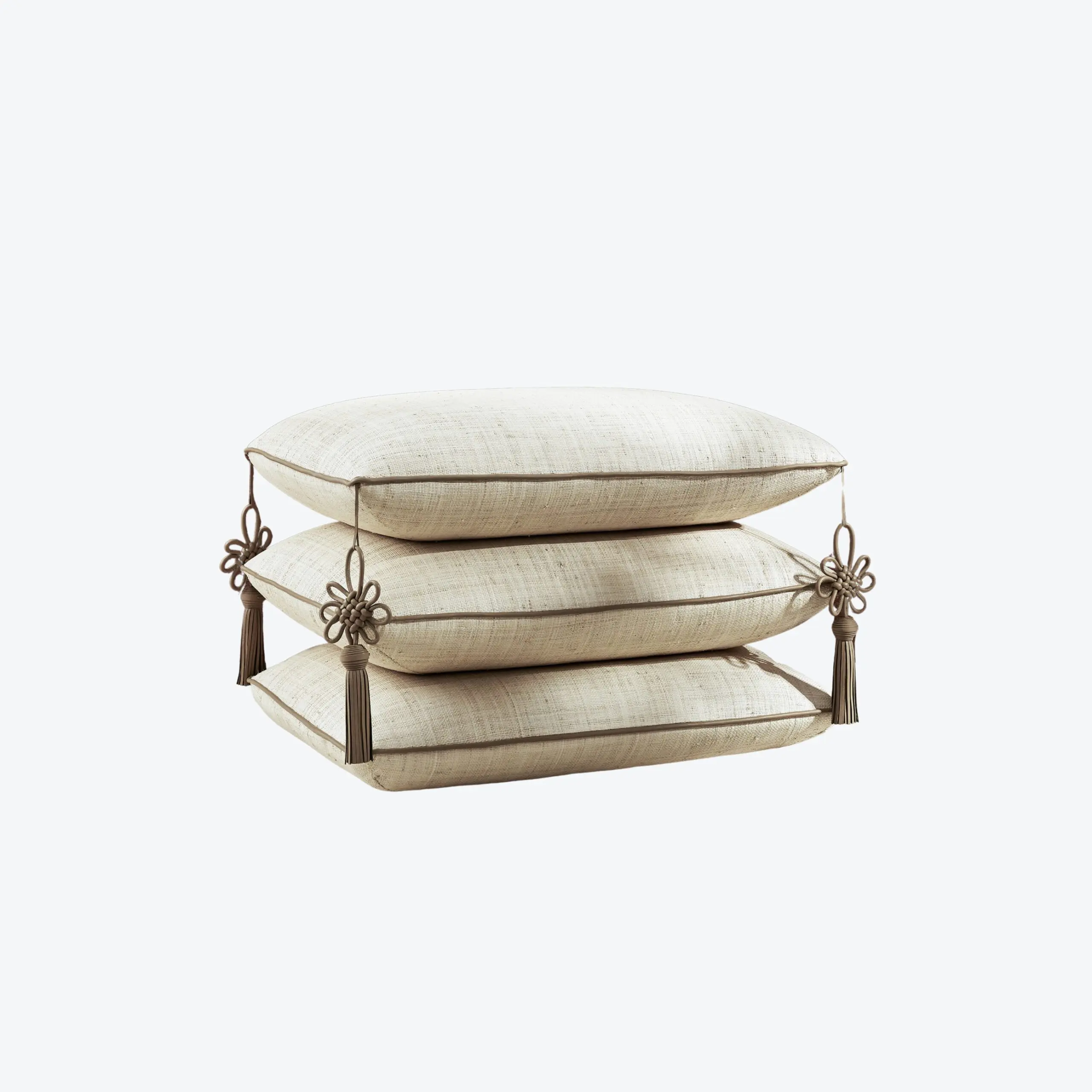
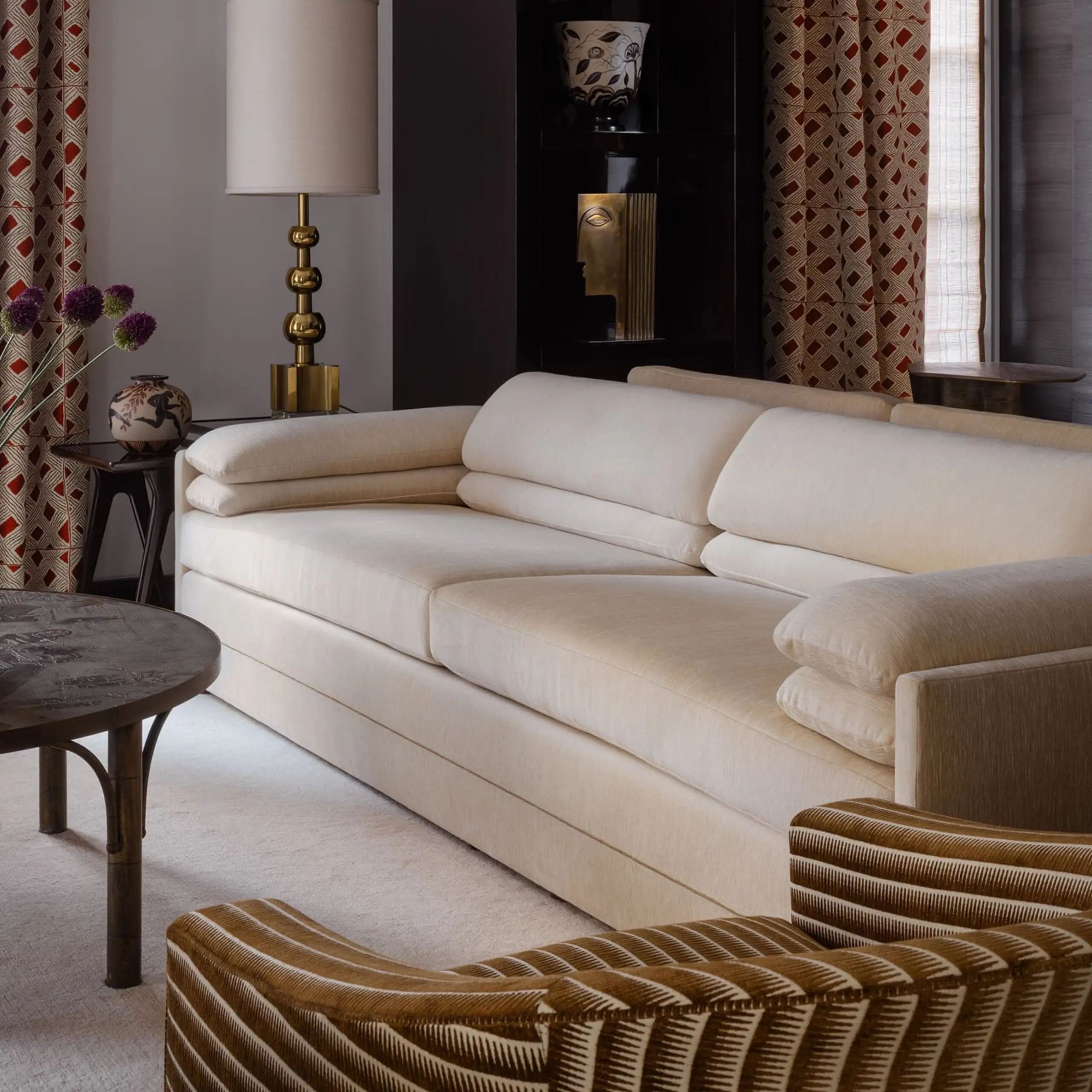
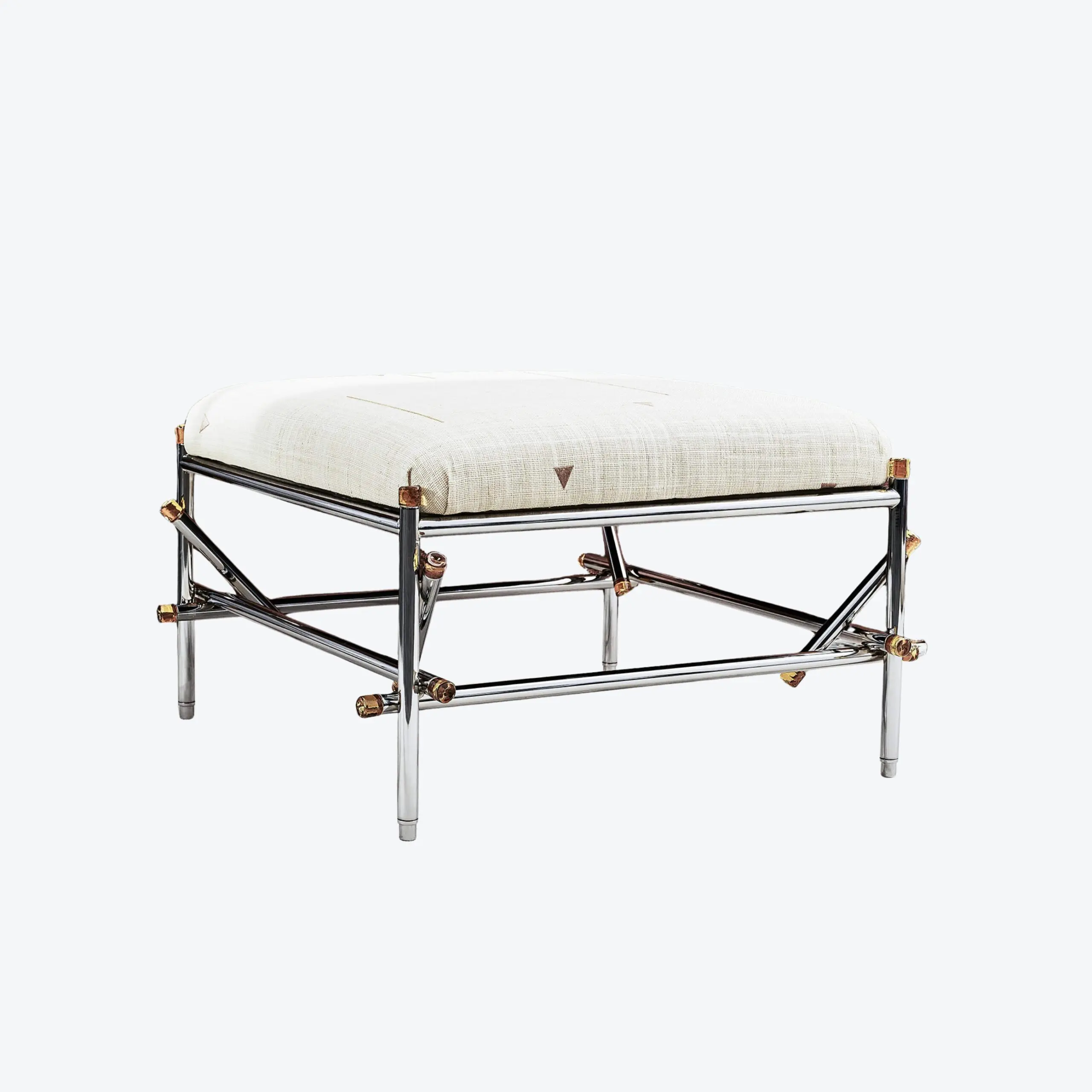
Merging their distinct sensibilities for textured reveries, Nathalie and Virginie Droulers worked closely with the Dedar team to translate their painterly vision through textiles. Take the JM Sofa, a modular piece defined by simple, straight lines: dressed in Lilaz fabric, it suddenly turns into a poetic tableau where the motifs evoke hills and cascades, the shifting clouds of a Japanese sky, or a tranquil landscape sketched in Indian ink. Almost poetry in motion… Then there is the Conversation coffee table, a true work of unexpected juxtapositions made of brass, metal, and… Dedar fabric! Here, the sisters’ talent for interior storytelling is on full display as they transform the tabletop into a frame upholstered in Drawings XVI, Dedar’s interpretation of a drawing by Anni Albers. And there is a twist: the fabric is reversed, revealing its back side so that the pattern’s rhythm of geometric motifs appears completely different, both visually and tactilely. The effect is even more striking in the lovely Virgi Pouf, also dressed in Drawings XVI, though this time using the face of the fabric.

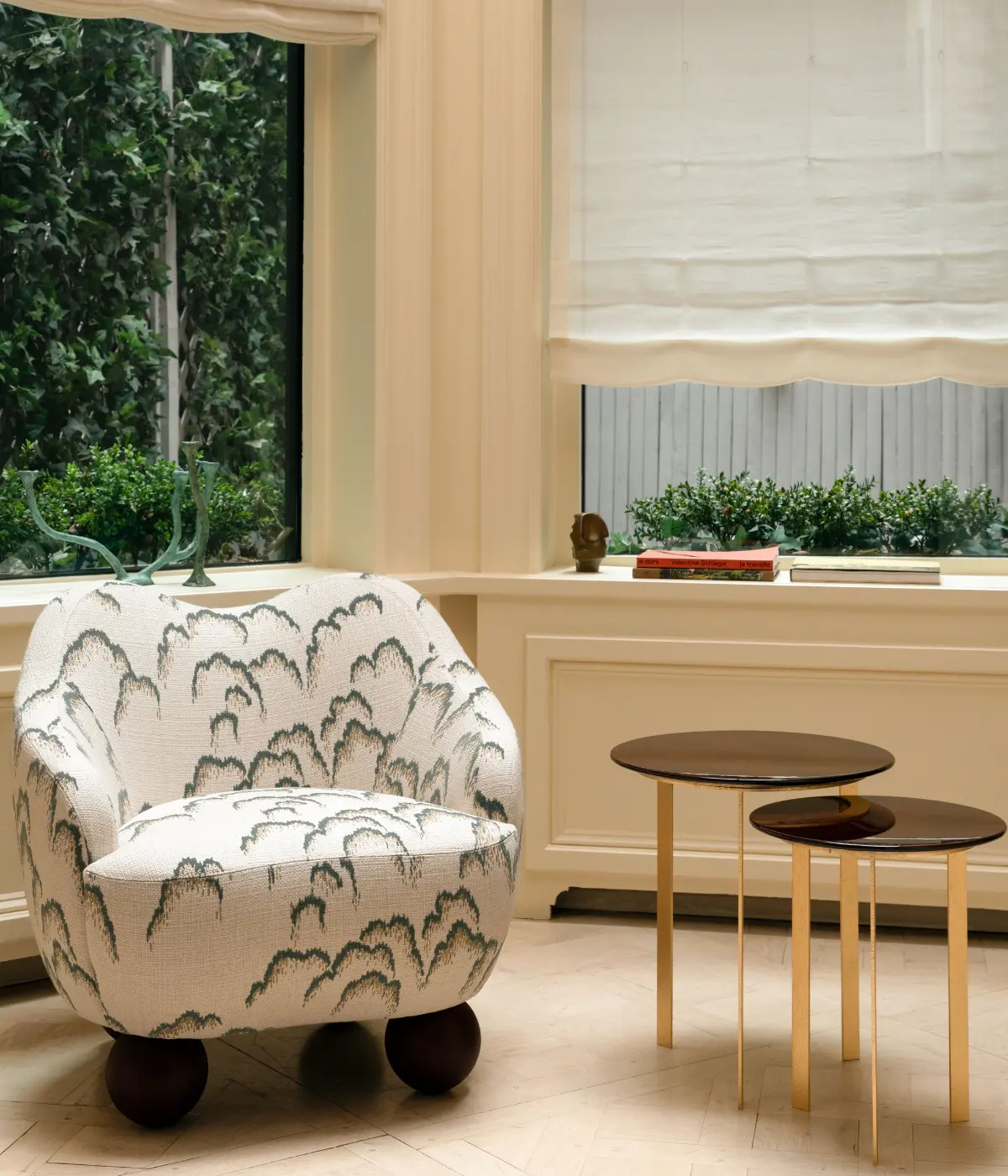
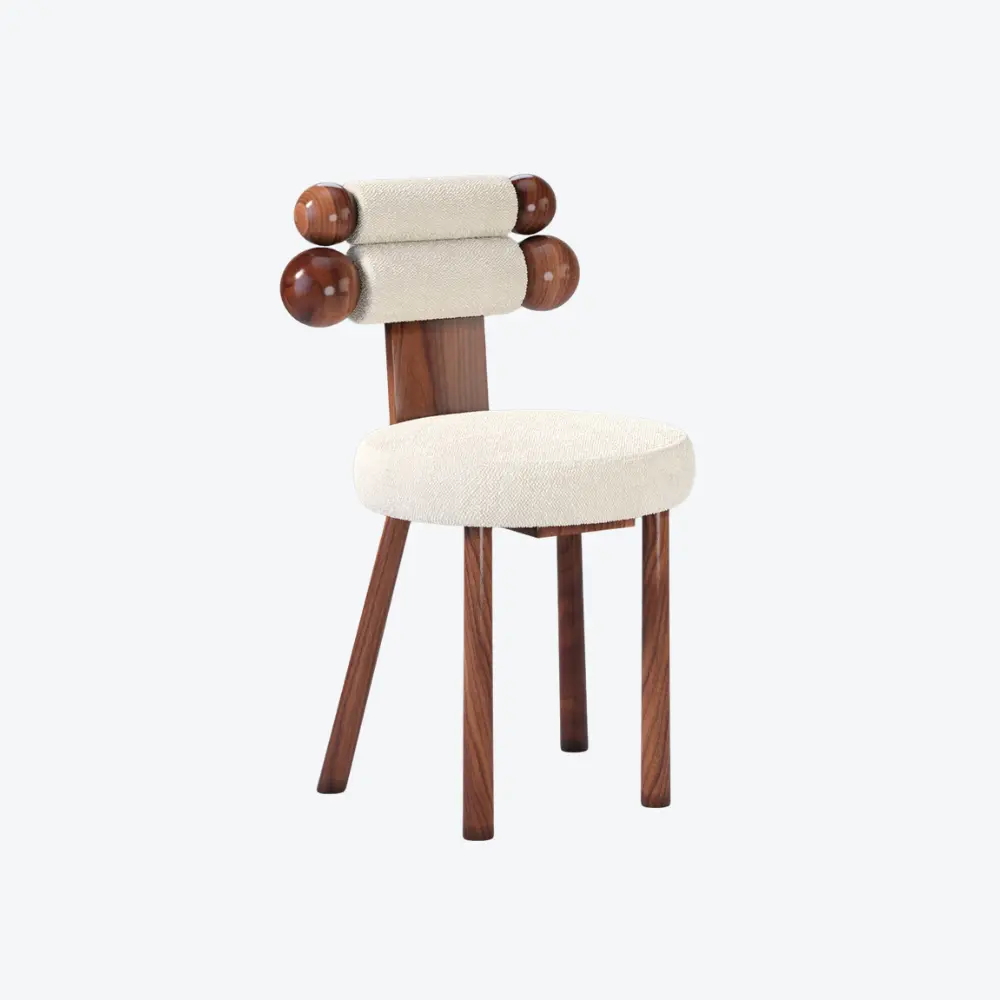
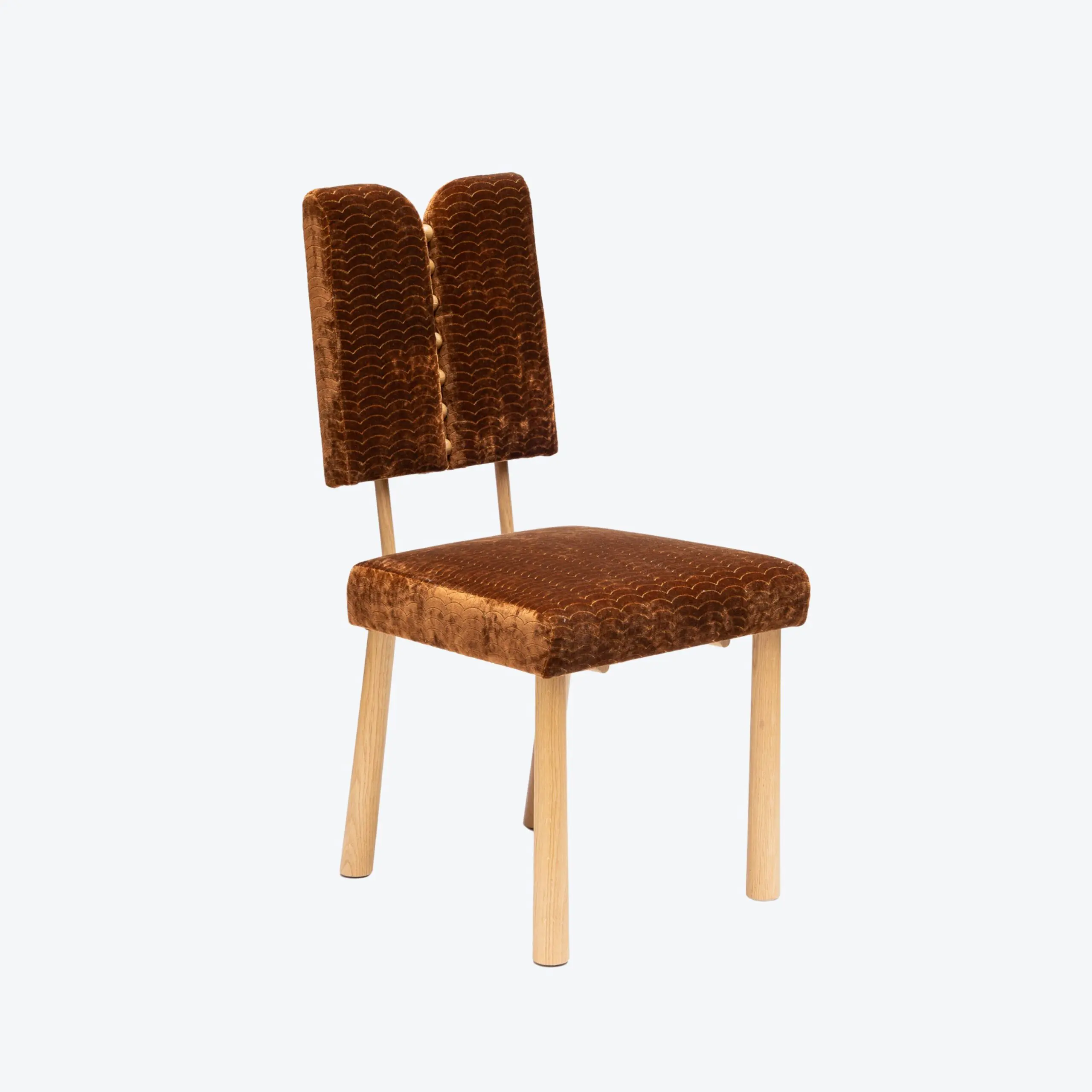
The Lilaz fabric also makes an appearance on the Florina armchair by Maison Leleu: the fluctuating motifs are a natural match for this lovely design and its undulating silhouette standing on four spheres. Spherical elements are in fact a recurring detail in Maison Leleu’s aesthetic, whether paired in different sizes for the Balae Chair or aligned in a vertical row like small marbles at the center of the backrest of the Panter Chair, as though they were the precious vertebrae of the chair’s imaginary spine. The Balae Chair has been specially dressed in Dedar Akhlat, a sophisticated jacquard defined by expressionist motifs enhanced by metallic threads. As for the Panter Chair, Dedar’s Diapason was the fabric of choice: an elegant, soft bouclette with enough elasticity to seamlessly envelop even the more demanding shapes.
Located in a picturesque landscape above the tranquil waters of Lake Como, Dedar was founded by Elda and Nicola Fabrizio in 1976. The Italian, family-run brand works with the finest artisans and textile specialists to create cutting-edge contemporary collections for the home, including curtains and wall coverings. With a new generation of Fabrizios at the helm, siblings Caterina and Raffaele, Dedar is now at the forefront of fiber technology research and responsible practices, integrating sustainability into all aspects of its operations. Dedar’s Italian genius and Invisible Collection’s obsession with the arts décoratifs are a perfect match, working hand in hand to dress our designs in the house’s iconic fabrics.