Background
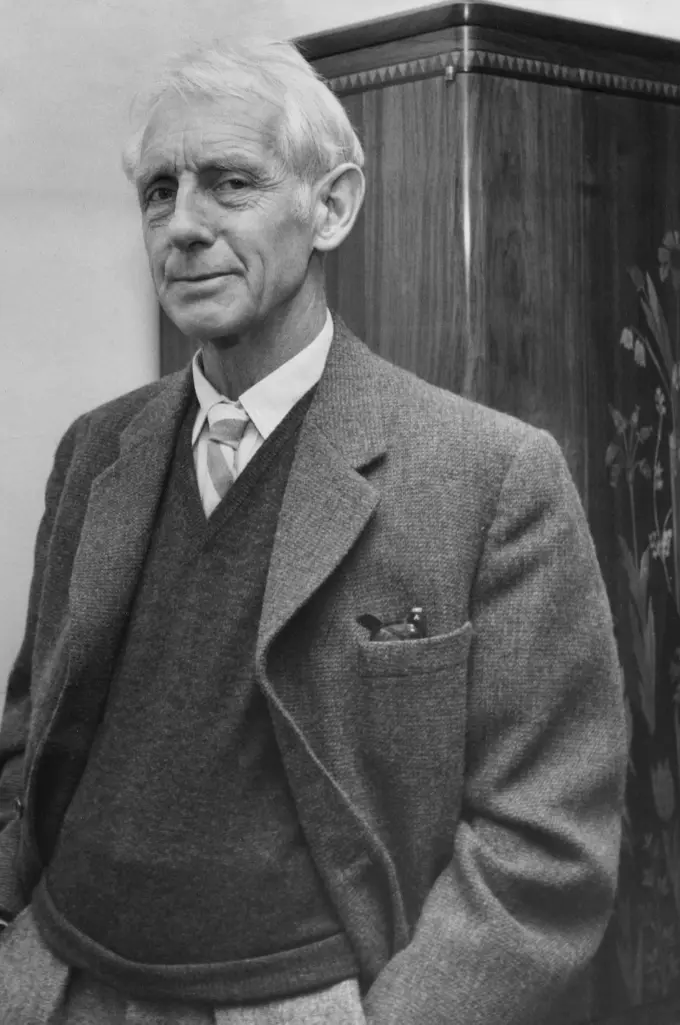
Born in Stockholm in 1888, Carl Malmsten was a Swedish furniture designer, architect and educator whose lifelong devotion to craftsmanship helped define the country’s modern design identity. A champion of traditional Swedish woodworking, or slöjd, he believed that furniture should combine beauty, function and an enduring connection to nature. His career began with an unexpected triumph in 1915, when he won both first and second prize in a competition to furnish Stockholm City Hall. His designs for the Council Chamber and adjoining rooms established his reputation, and remain in use today. By 1917, he was exhibiting alongside leading Swedish architects including Gunnar Asplund and Uno Åhrén. Throughout the 1920s, Malmsten became one of Sweden’s most sought-after designers, creating interiors for royal residences, cultural institutions and prestigious commercial buildings. Yet beyond these distinguished commissions, his ambition was to make beautifully crafted furniture accessible to ordinary households. A passionate educator, he founded schools dedicated to preserving traditional skills, including Capellagården on the island of Öland. His philosophy, that hand and mind should work in creative harmony, continues to influence generations of Swedish designers. Until his death in 1972, Malmsten remained actively involved in designing, teaching and promoting craftsmanship.
Signature Style
Carl Malmsten’s furniture embodies a distinctly Swedish sensibility: understated elegance, natural materials, gentle curves and an exceptional understanding of proportion. Inspired by the country’s rural traditions, country manor interiors and surrounding landscapes, he developed a design language that feels both familiar and timeless.
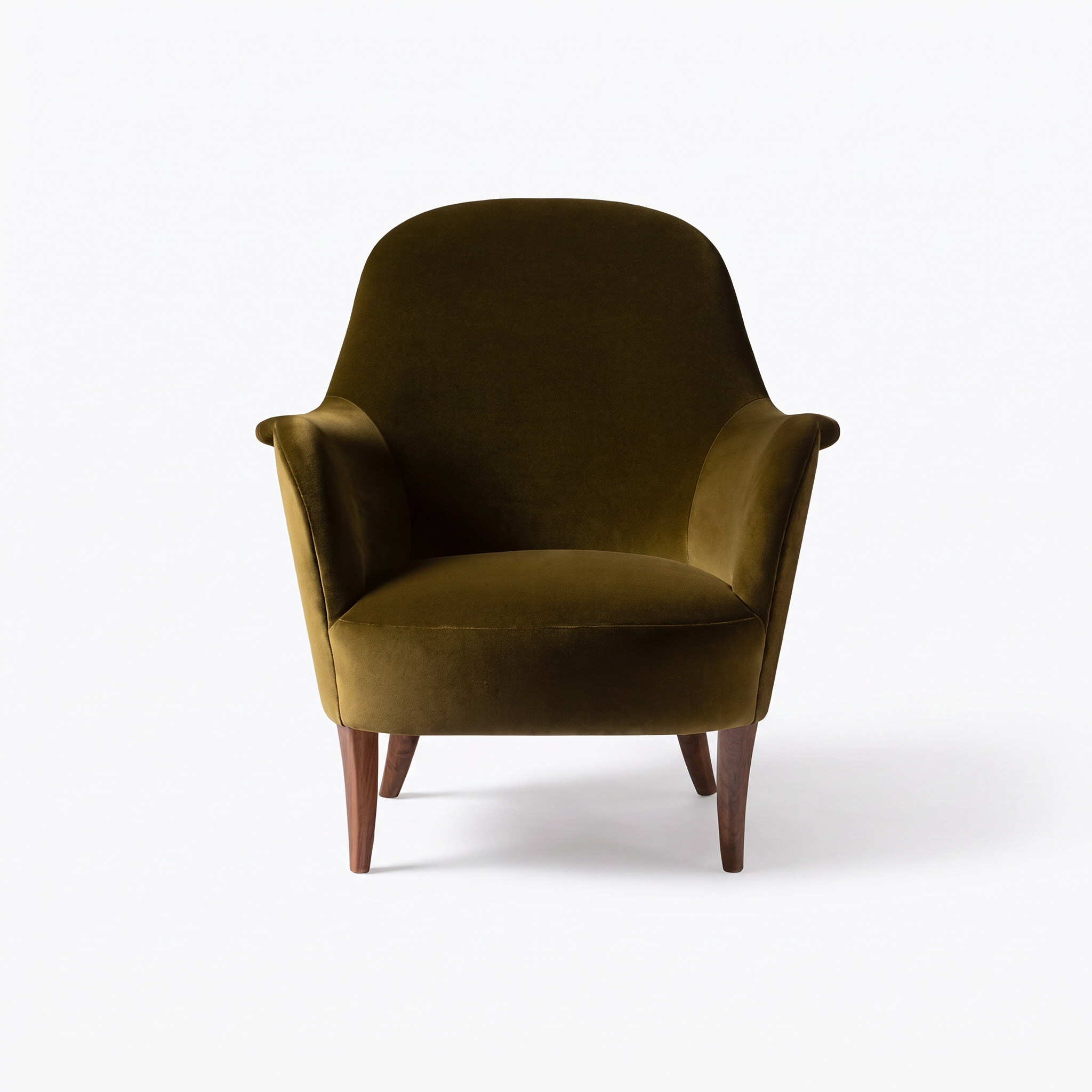
Wood was central to his approach. He celebrated its natural grain, warmth and character, favouring light timbers and soft, blonde tones. His furniture often features rounded edges, delicately shaped legs and quietly expressive silhouettes, combining artisanal precision with an inviting sense of comfort. “Neither light, nor eyes or people like bumping into sharp corners,” he observed, expressing his belief that furniture should be as pleasing to touch as it is to behold.
An outspoken critic of the functionalist movement celebrated at the 1930 Stockholm Exhibition, Malmsten rejected what he considered its sterile aesthetic. Rather than embrace industrial modernity unconditionally, he advocated for craftsmanship, human comfort and emotional connection.
After the Second World War, however, he found a way to reconcile traditional techniques with serial production. Collaborating with a network of specialist manufacturers known as the Key Workshops, he brought his designs to a wider public without sacrificing quality. Like his contemporary Josef Frank, Malmsten created a distinctive Scandinavian aesthetic that transcended passing fashions.
Showstoppers
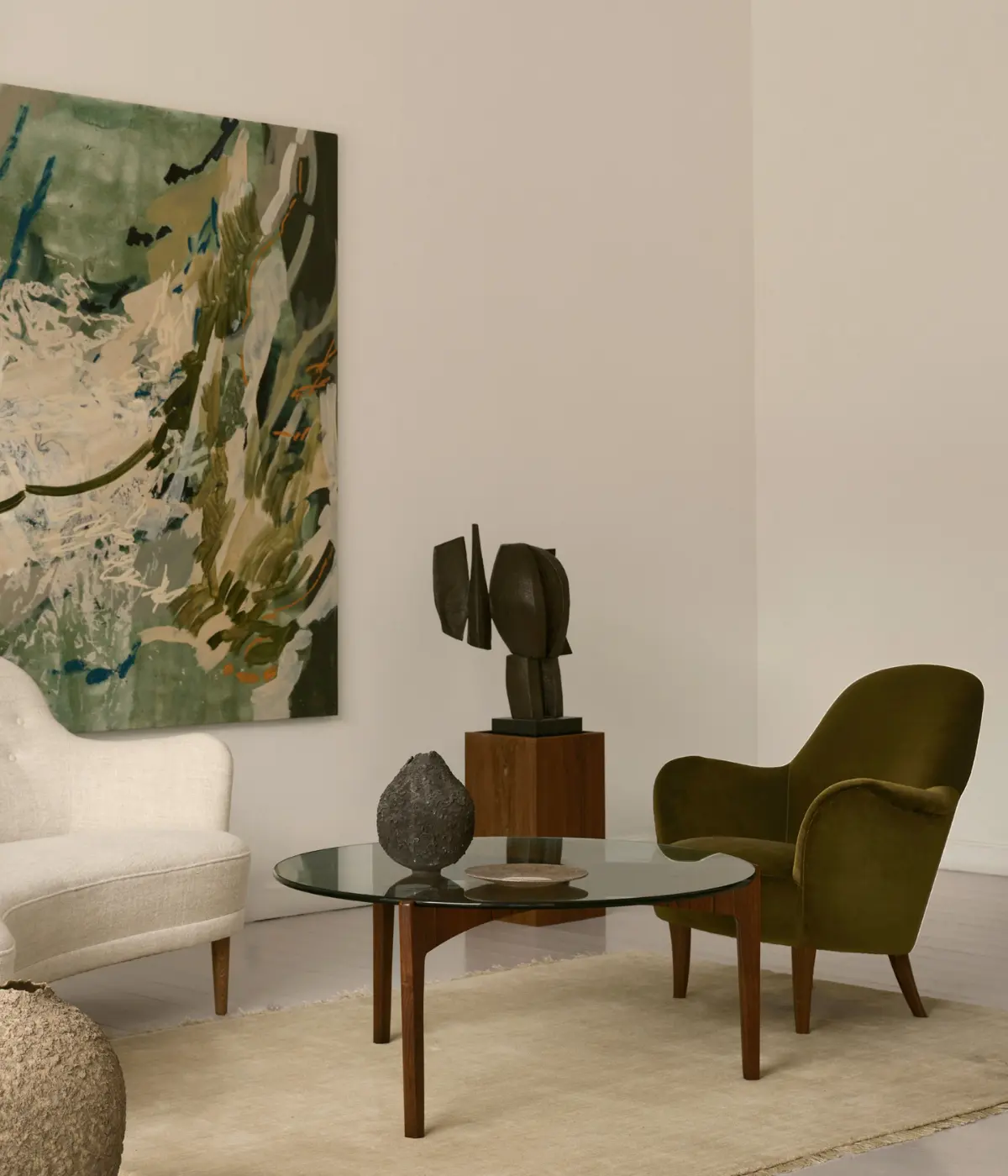
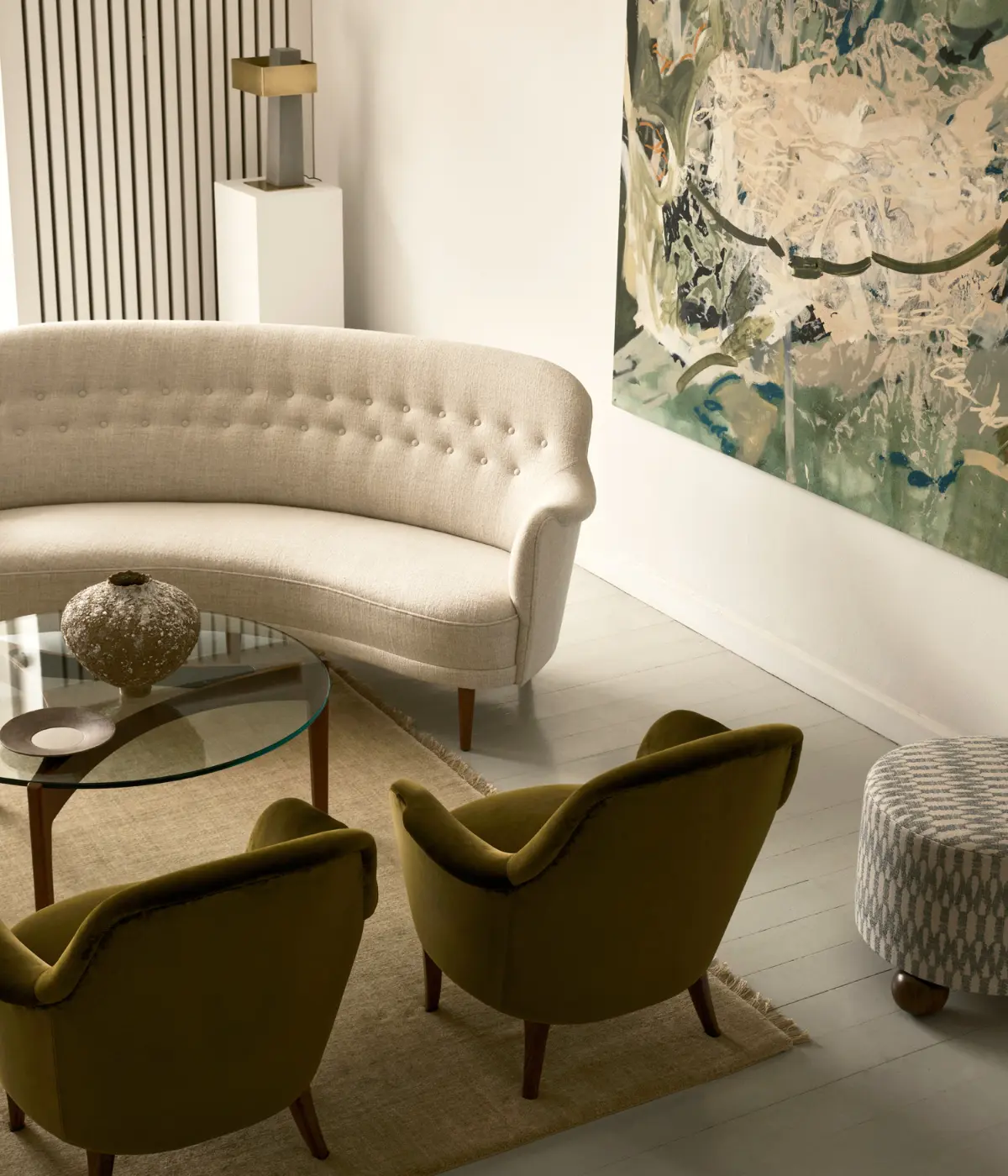
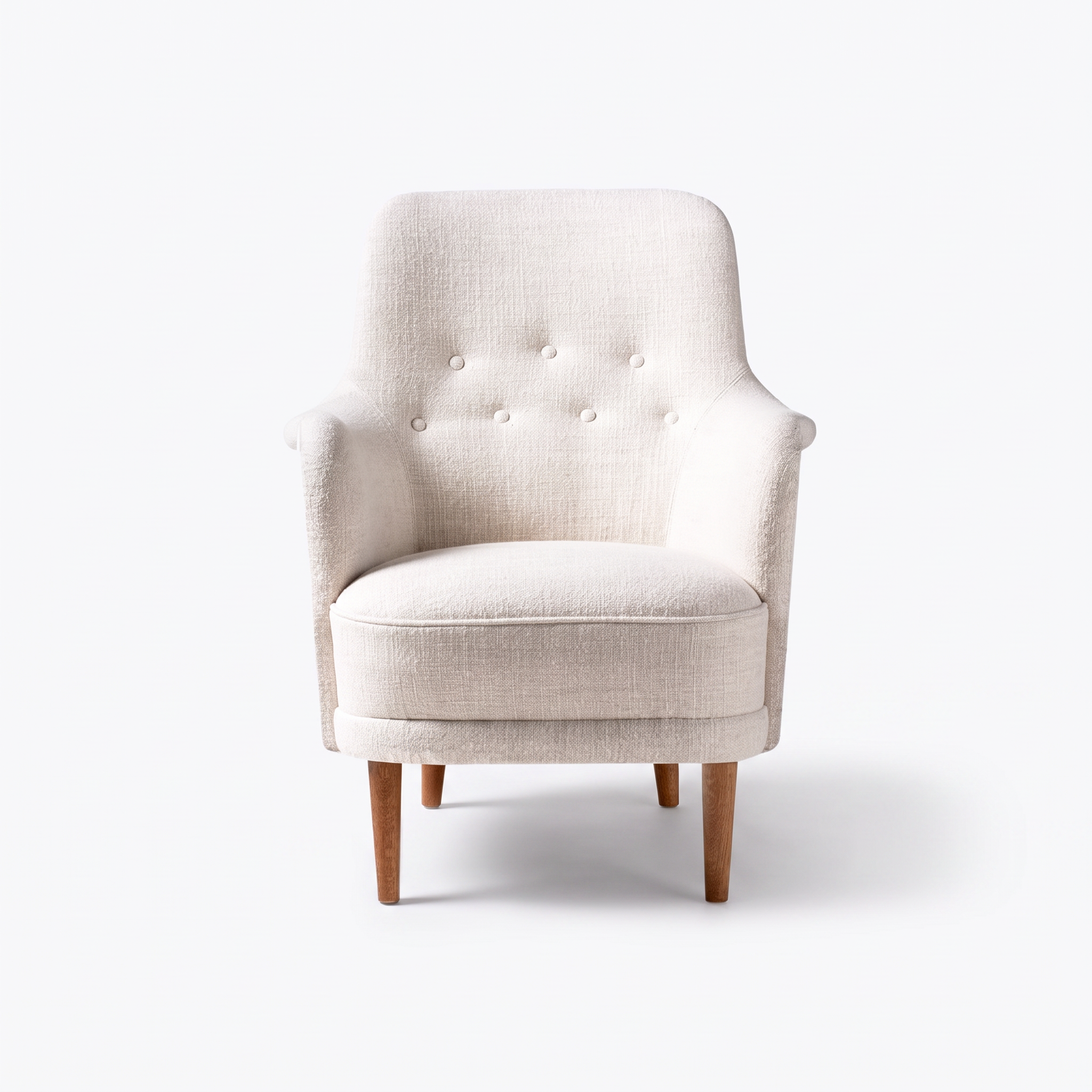
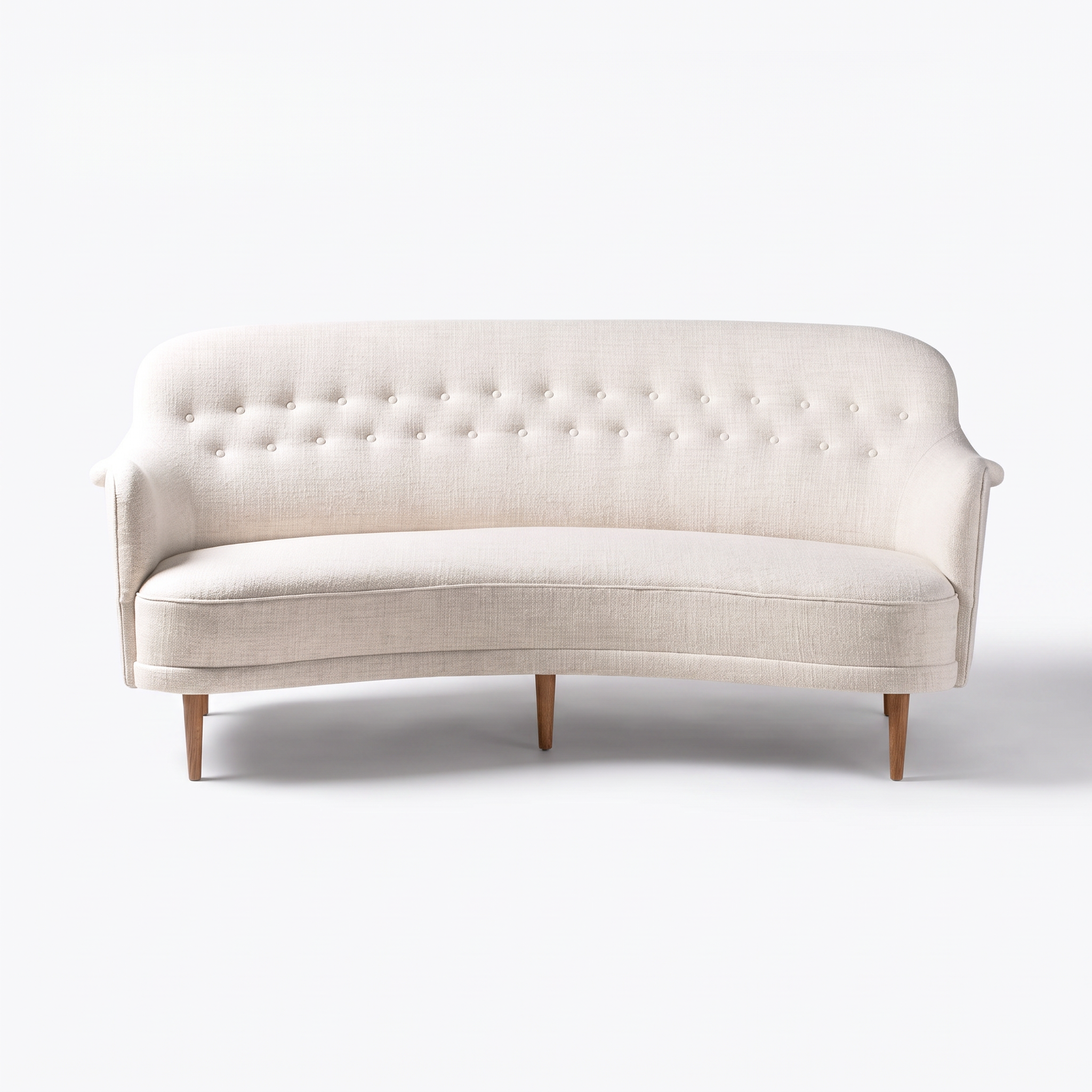
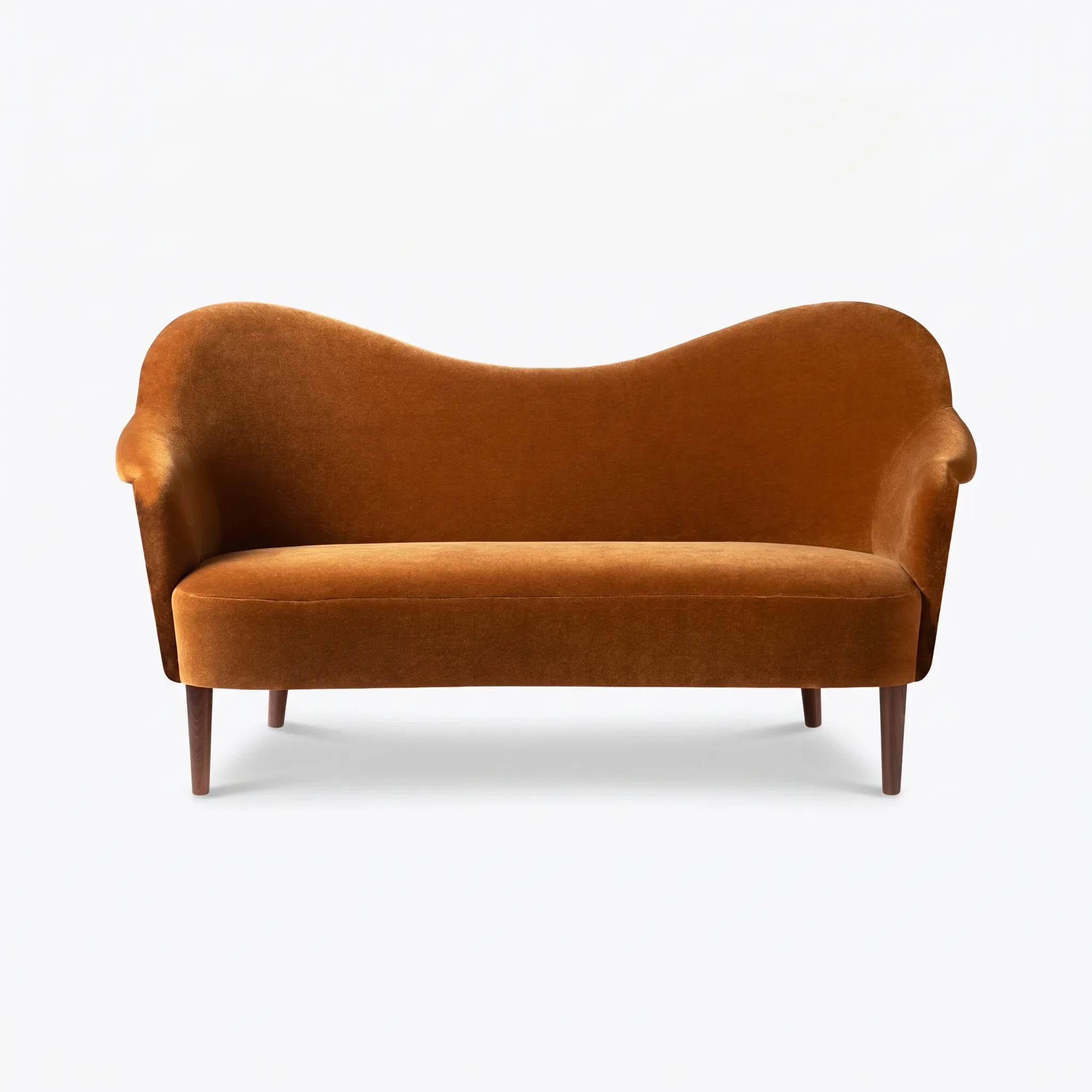
Among Malmsten’s earliest achievements were the furnishings for Stockholm City Hall, whose Council Chamber interiors established him as a major talent. Royal patronage followed when he was commissioned to furnish a room at Ulriksdal Palace as a wedding gift for Crown Prince Gustaf Adolf and Lady Louise Mountbatten. Other prestigious projects included Stockholm Concert Hall, Ivar Kreuger’s Matchstick Palace and the Swedish Institute in Rome, alongside commissions for New York’s Waldorf Astoria. His most enduring creations, however, were designed for everyday life. The elegant and softly upholstered Samsas sofa and armchair exemplify his ability to unite craftsmanship and comfort.
A landmark 1956 exhibition at Gothenburg’s Röhsska Museum introduced his furniture for serial production, bringing his vision into Swedish homes. These pieces embody Malmsten’s lasting legacy: furniture of quiet beauty, designed to be lived with and loved for generations.