Background
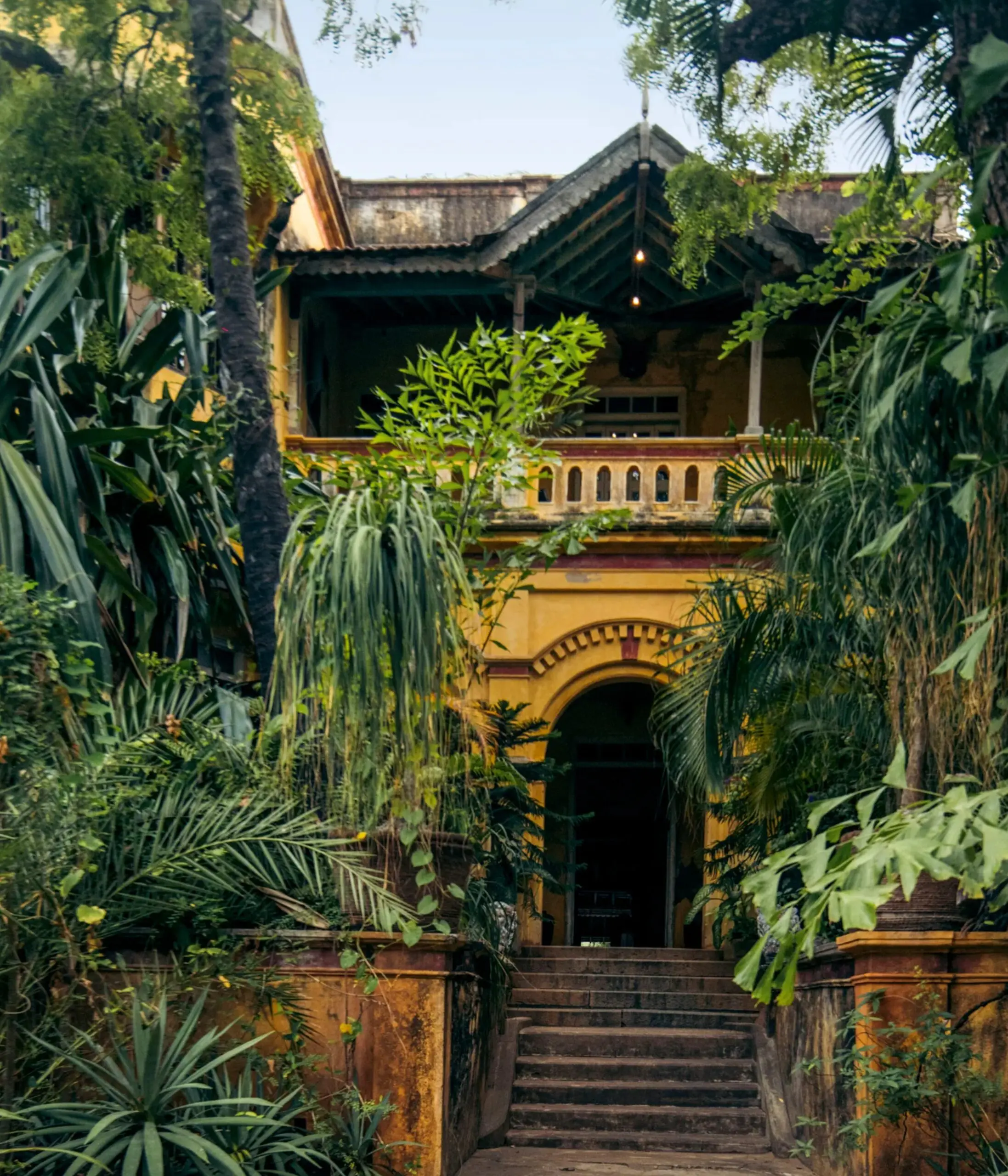
House of Kandadu was born in a small village north of Pondicherry, where an abandoned 19th-century residence was carefully restored and brought back to life alongside its surrounding landscape. What began as a shared vision between French and Indian creatives evolved into a project rooted in craftsmanship, cultural dialogue, and transmission. Conceived as both a workshop and a living artistic ecosystem, House of Kandadu seeks to revive textile techniques once practiced in the region while creating a contemporary language open to the world. At its heart is a deeply collaborative spirit: artisans, designers, and local women work together to preserve traditional savoir-faire while imagining new forms of expression inspired by India’s vast decorative heritage.
Signature Style
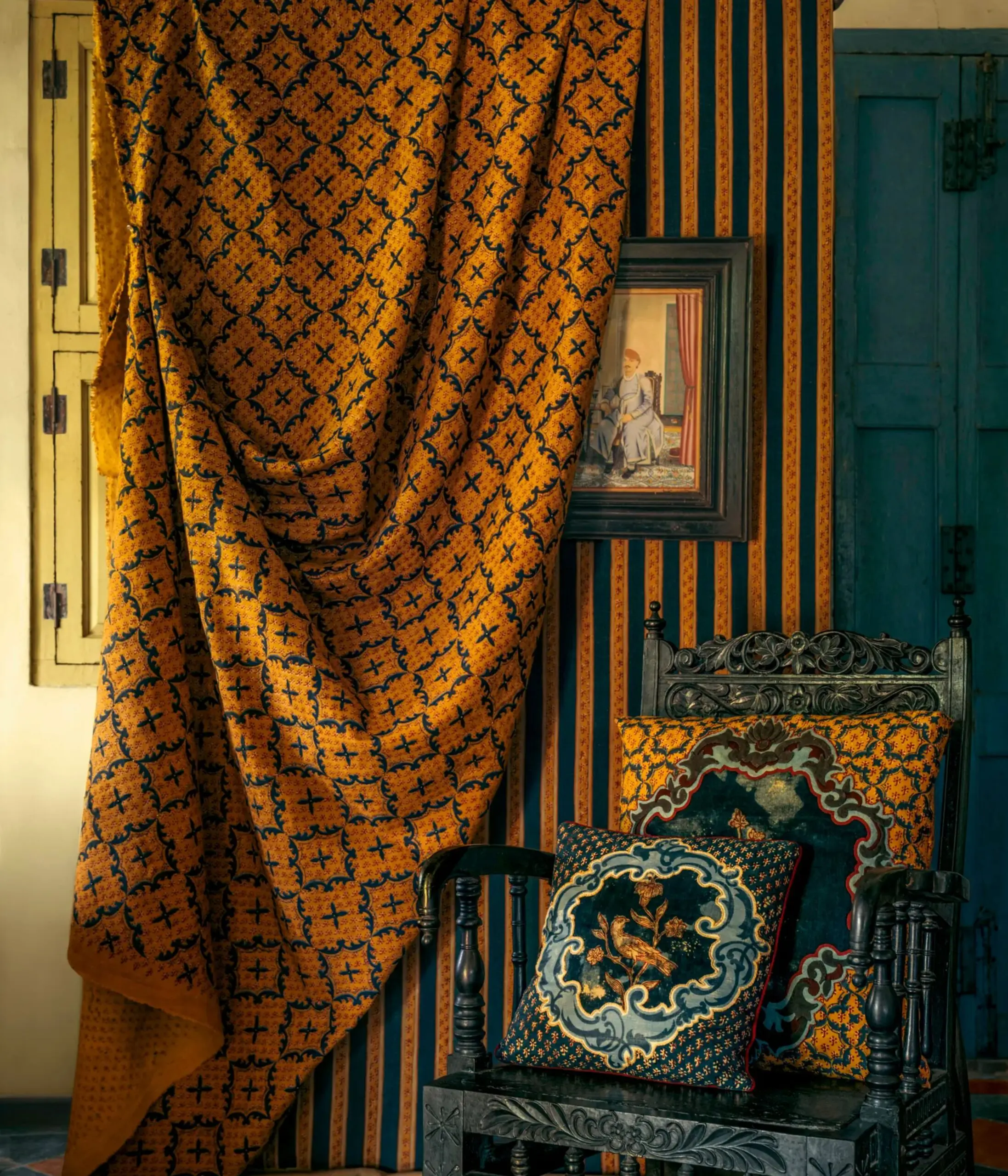
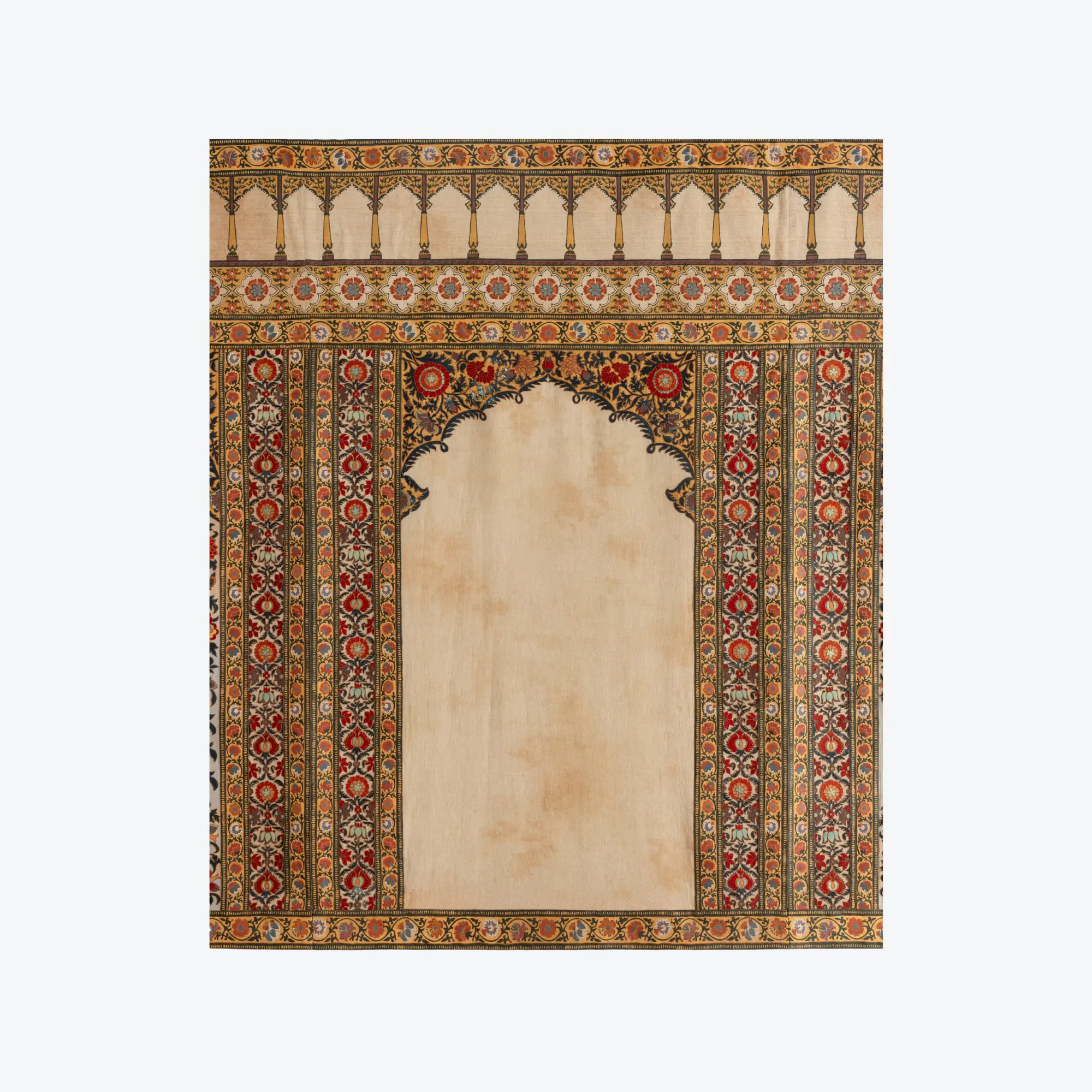
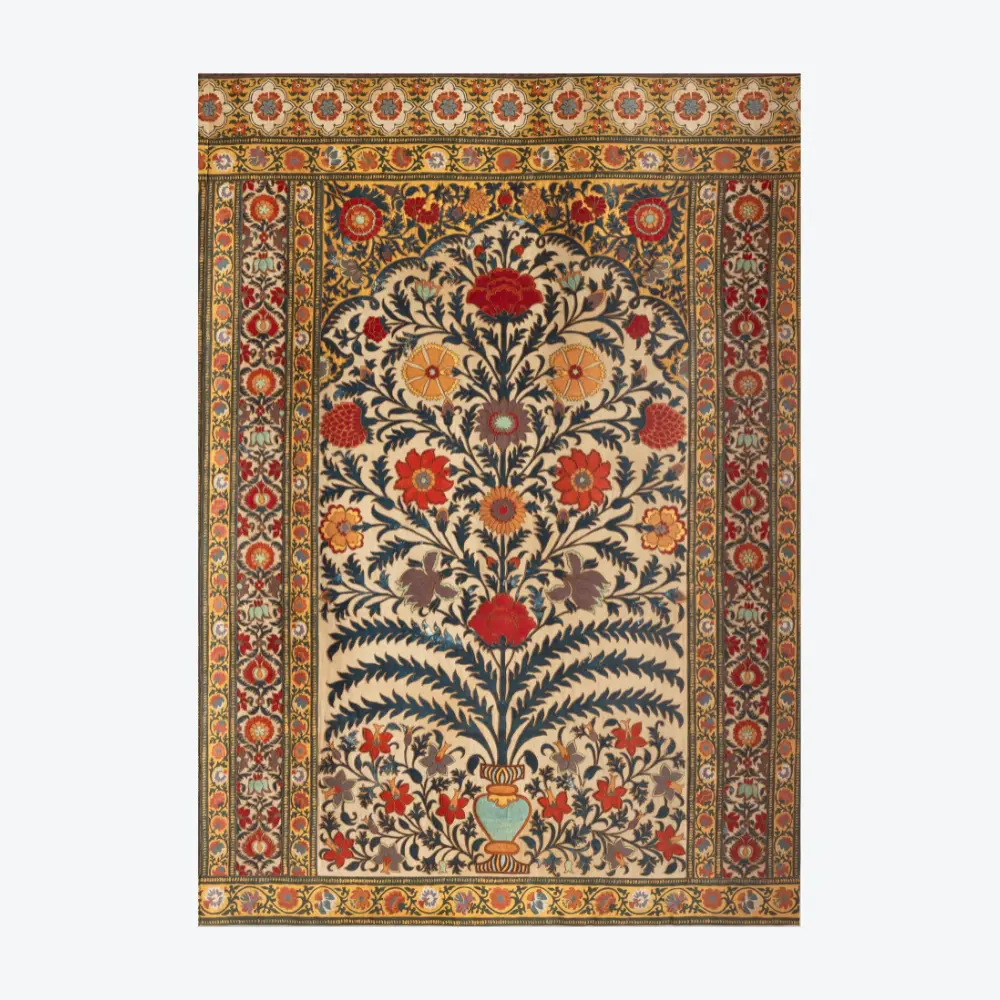
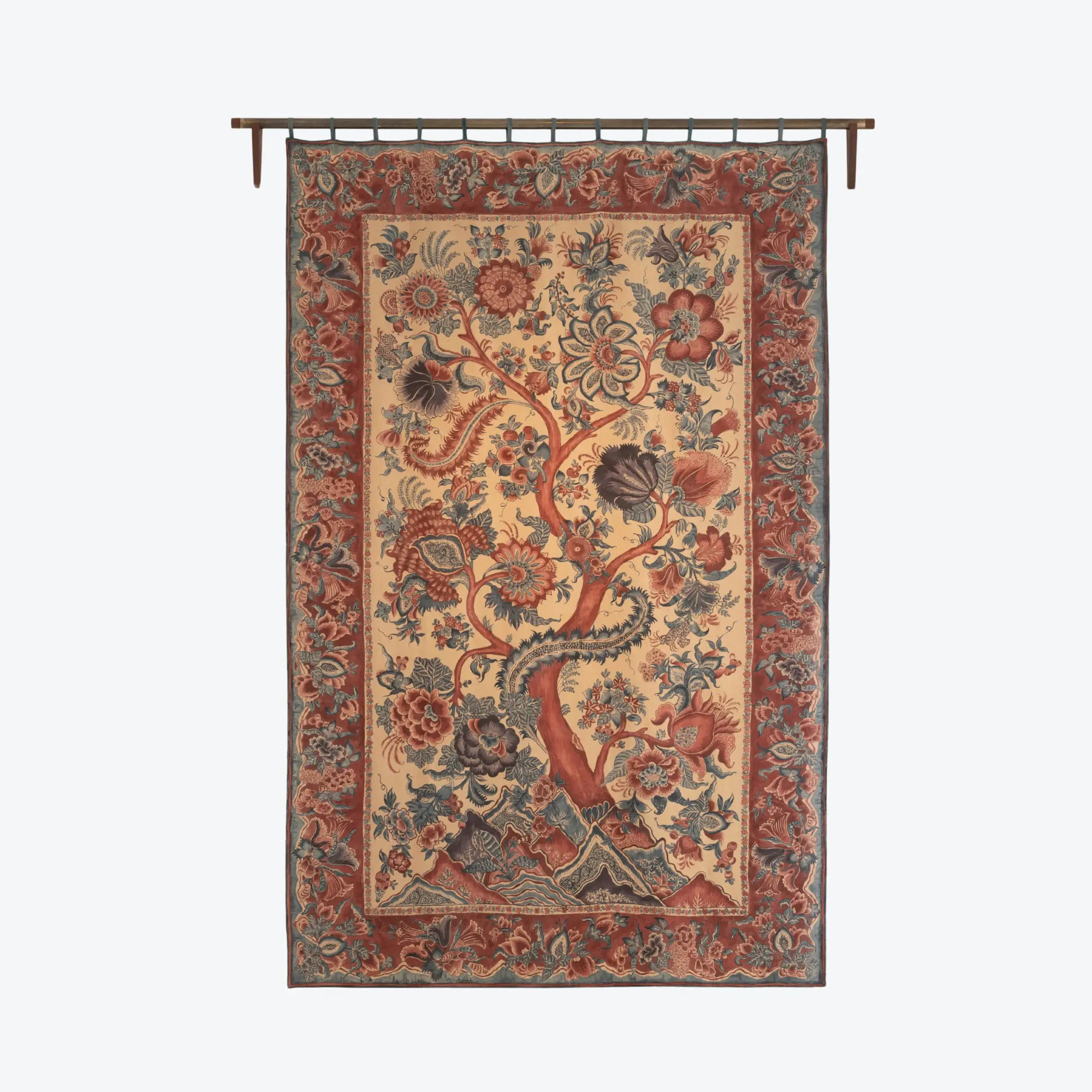
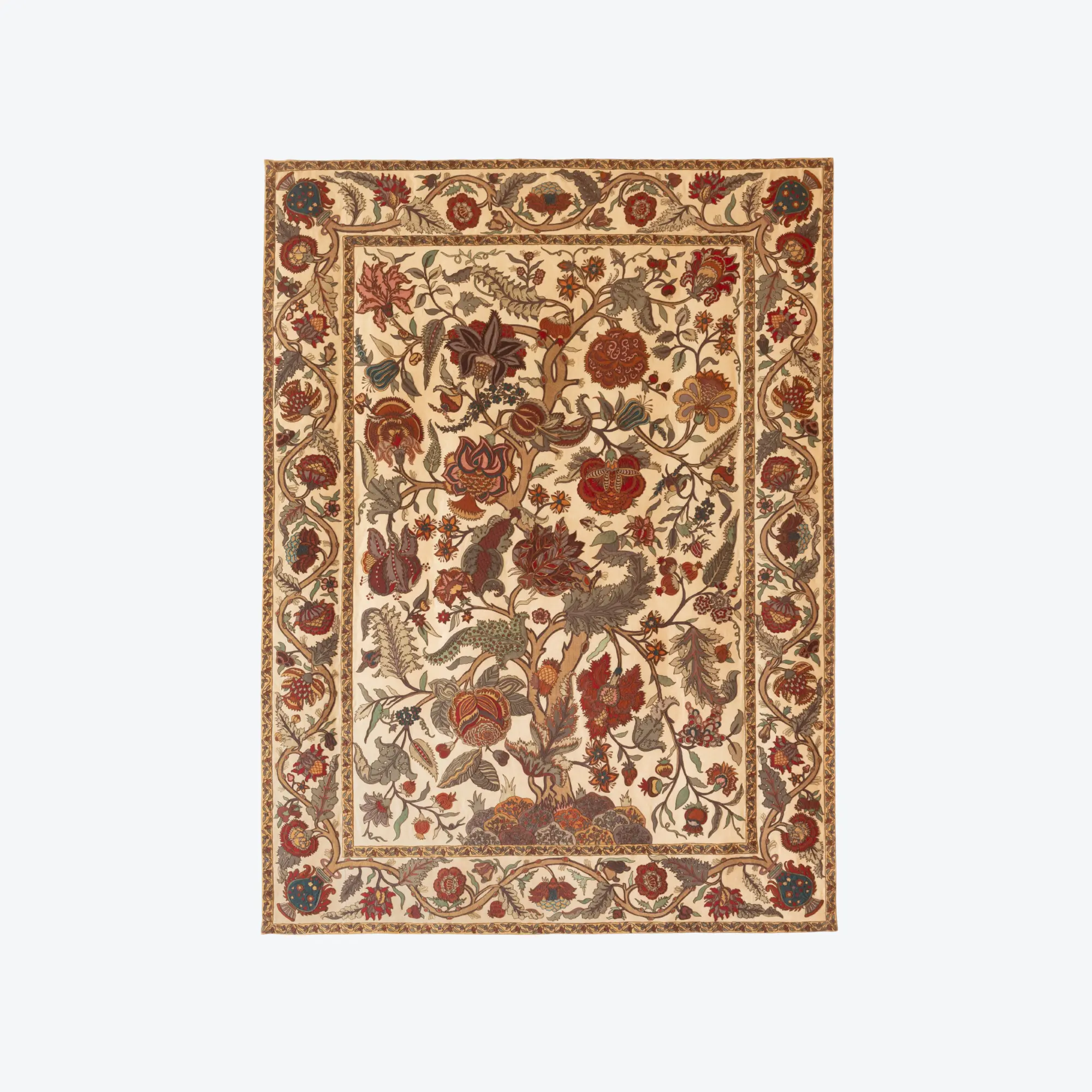
House of Kandadu’s textile universe is defined by richly layered surfaces and an extraordinary attention to handcraft. Hand-painted fabrics, appliqué, textile marquetry, hand-stitching, and rustic embroidery techniques come together in compositions that balance refinement with spontaneity. Drawing inspiration from the textile traditions of the Deccan, Rajasthan, Gujarat, and Pondicherry, the House blends Indian decorative vocabularies with subtle French influences. Plant-dyed fabrics, block prints, coated canvases, and varnished paper collages are assembled into tactile creations where colour, texture, and ornament interact with remarkable freedom. The result is a singular aesthetic deeply rooted in craftsmanship yet unmistakably contemporary.
Showstoppers
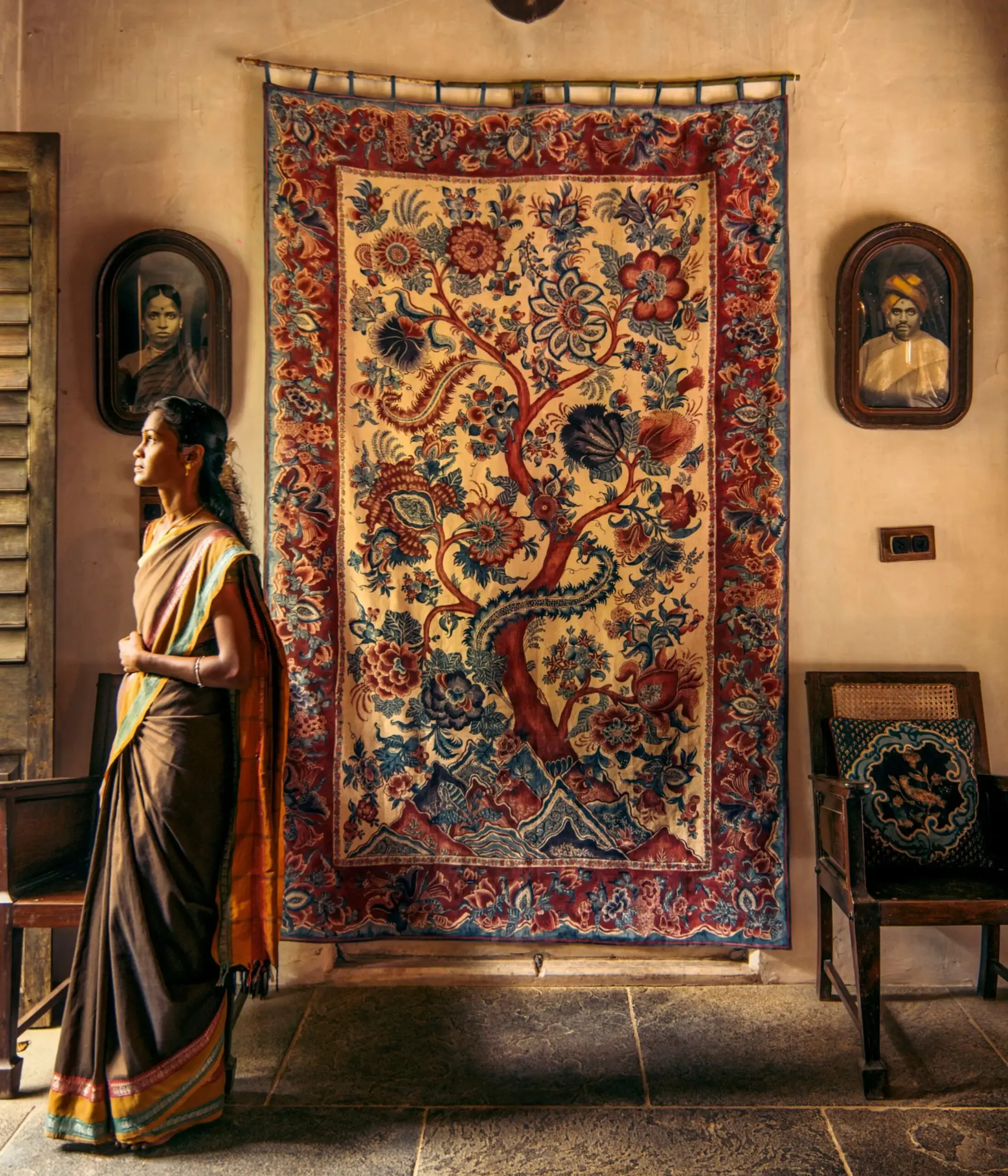
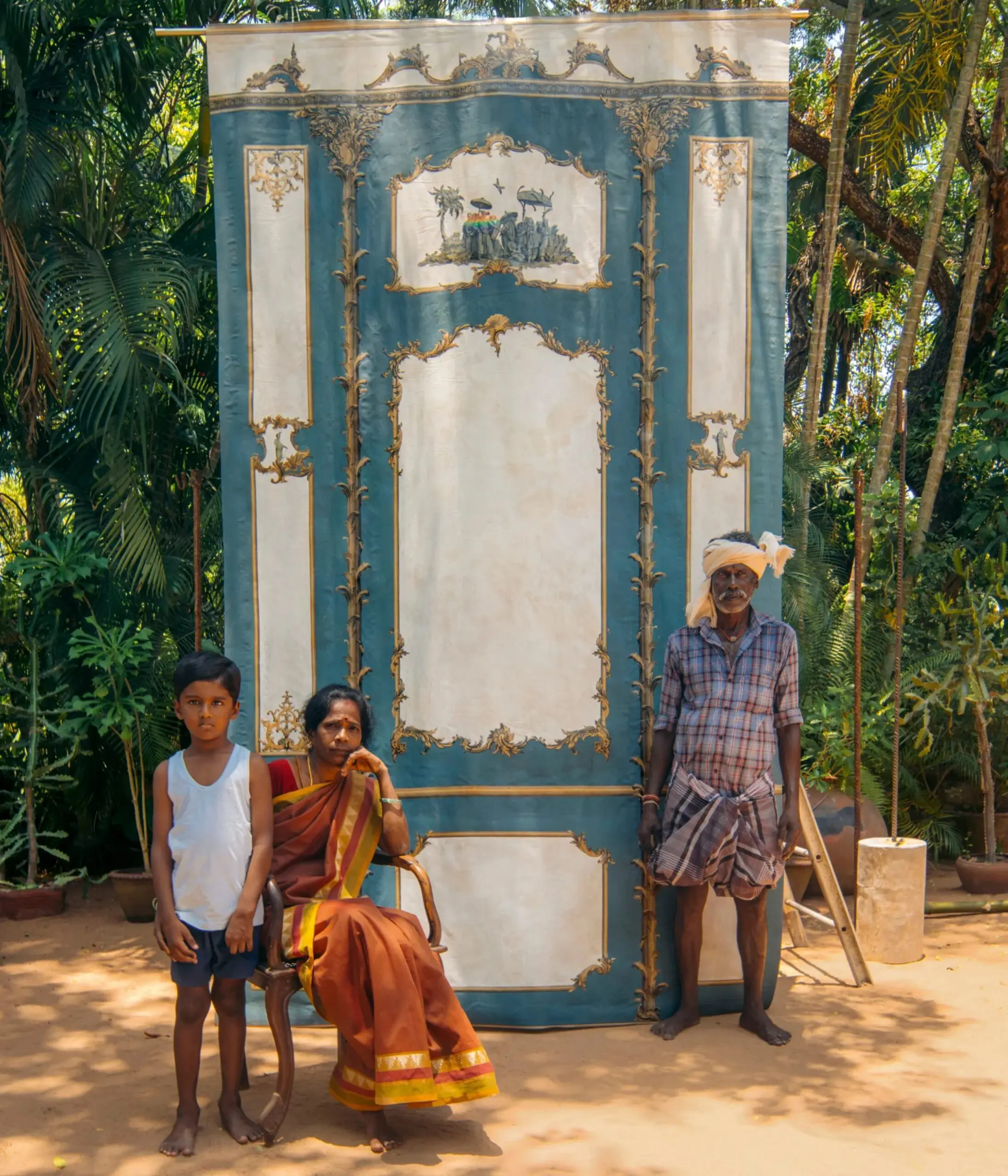
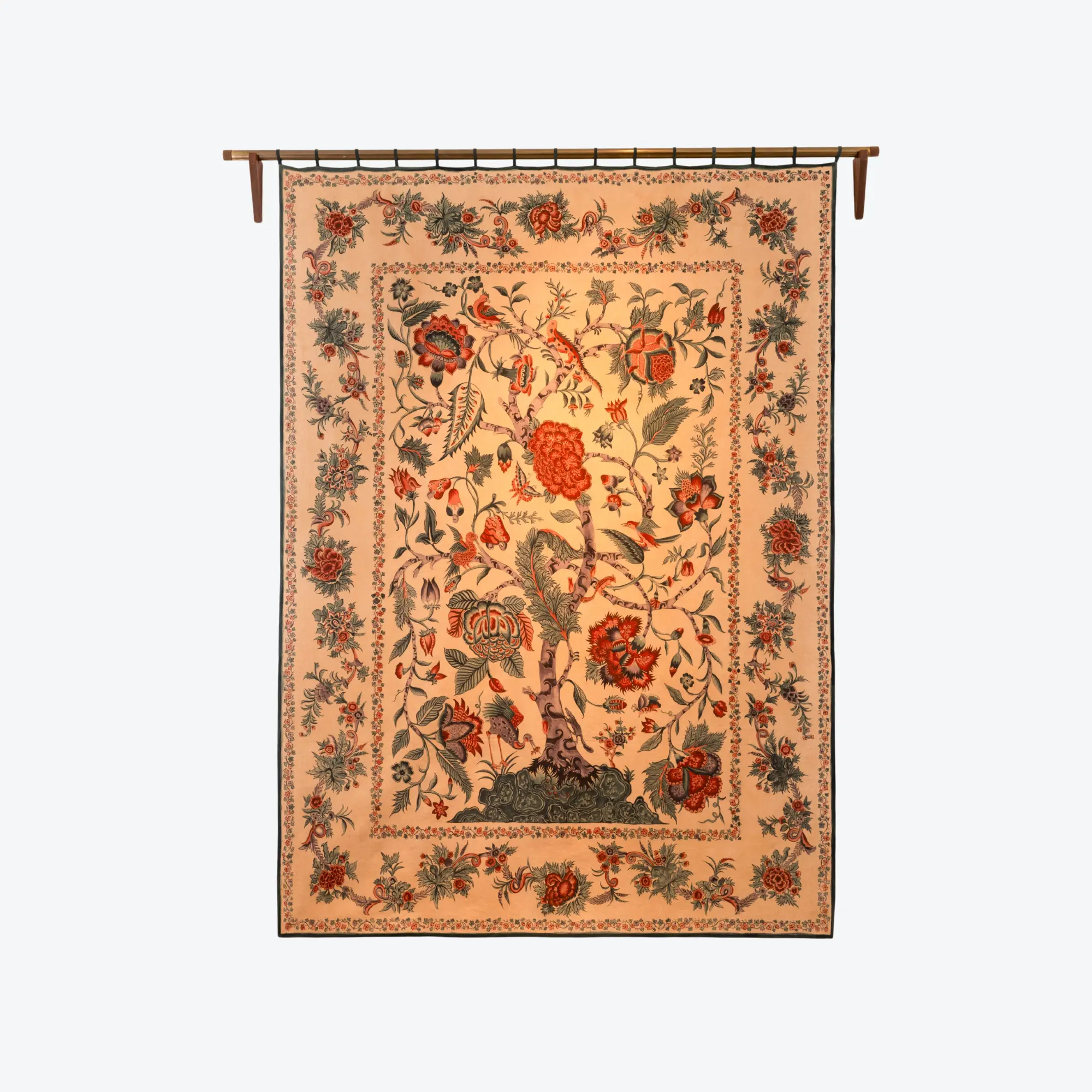
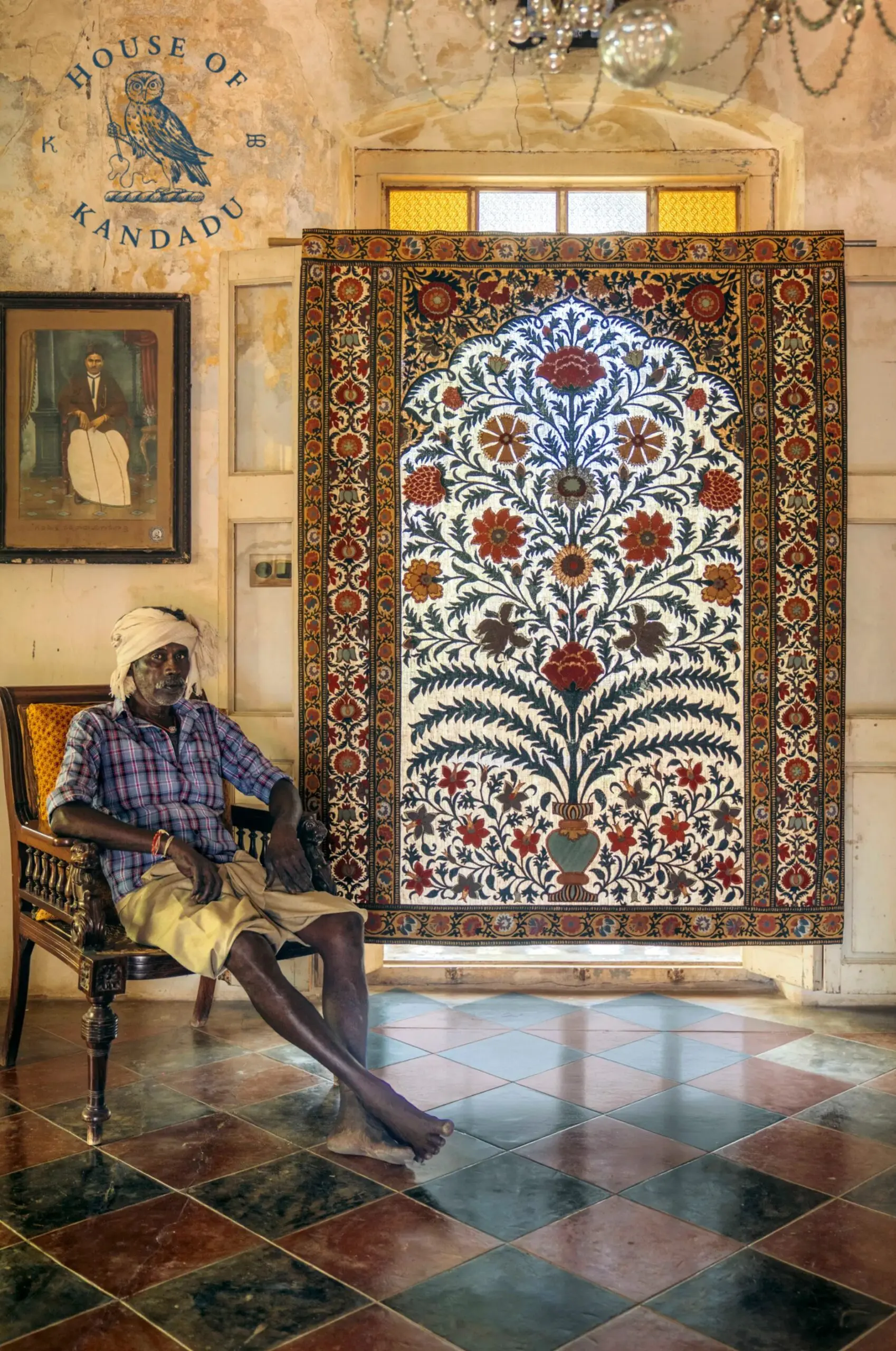
Among the House’s most striking creations are its monumental decorative panels and reinterpretations of the Tree of Life motif, where intricate textile inlays and layered embroideries create richly architectural compositions. Equally distinctive are the hybrid cushions and seating textiles inspired by Pondicherry’s uniquely mixed cultural heritage, combining Indian exuberance with a quieter European sensibility. The House is also celebrated for its textile marquetry: fabrics are cut, assembled, reapplied, and embroidered by hand to create dimensional surfaces that resemble painted compositions as much as textiles. Every piece reflects the collective energy of the Kandadu atelier: a place where craftsmanship, experimentation, and cultural memory continue to evolve together.