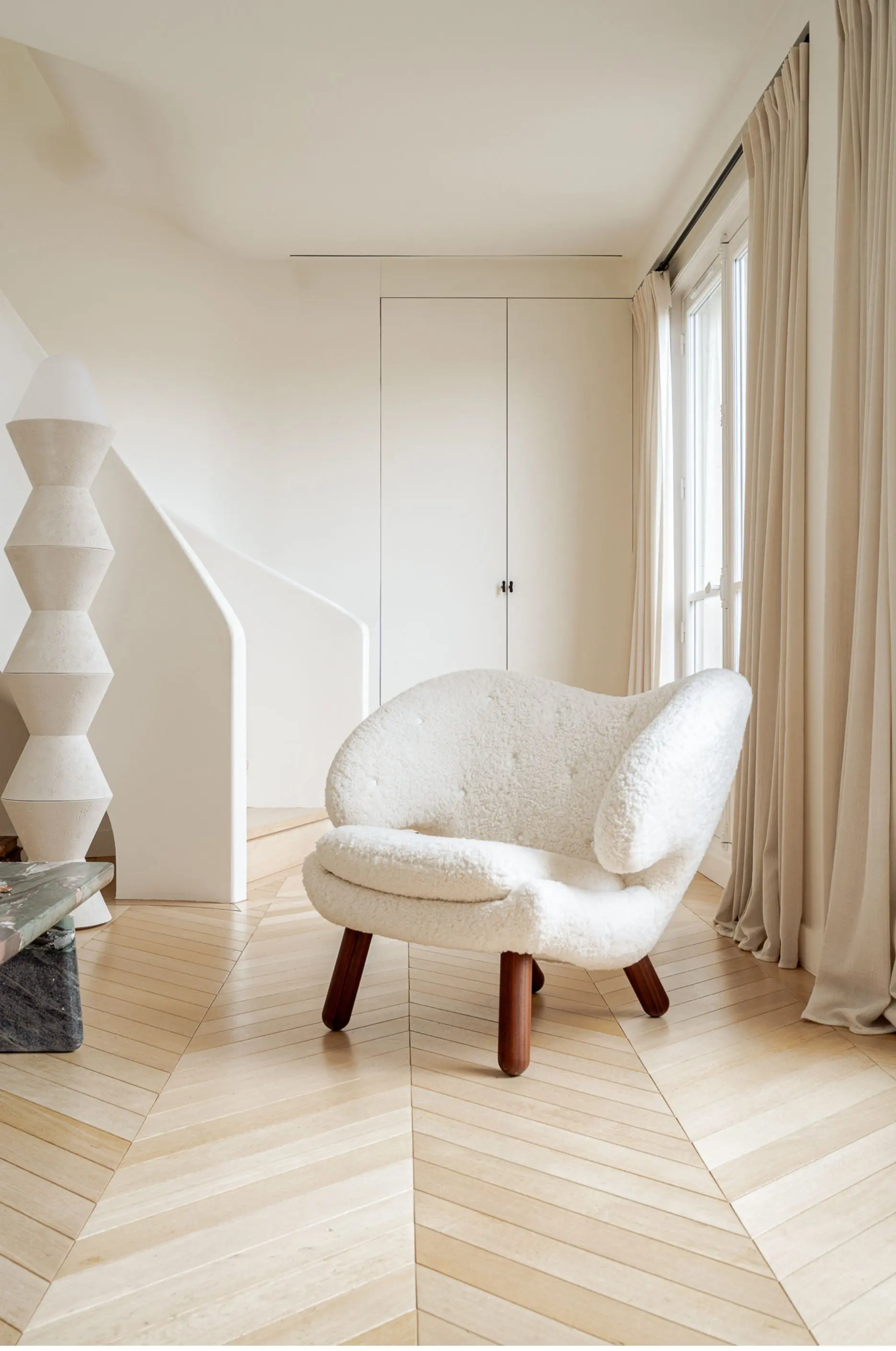
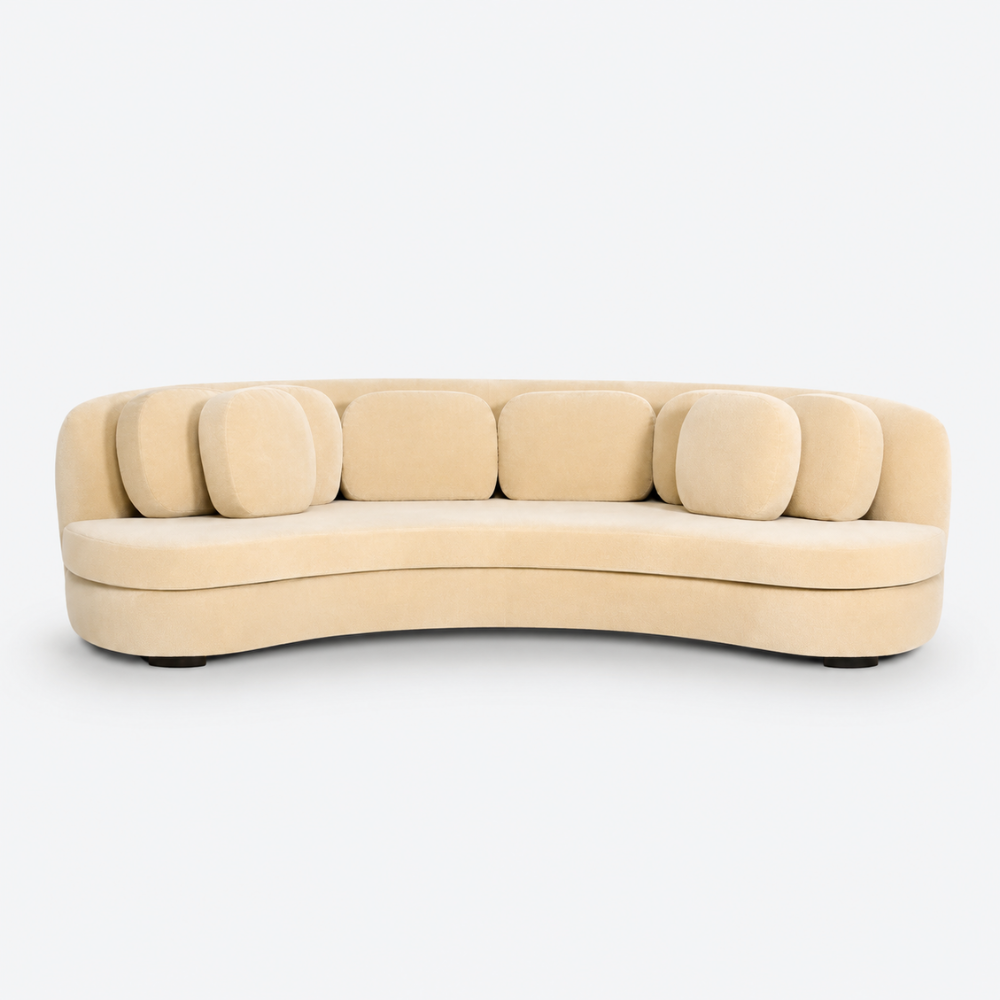
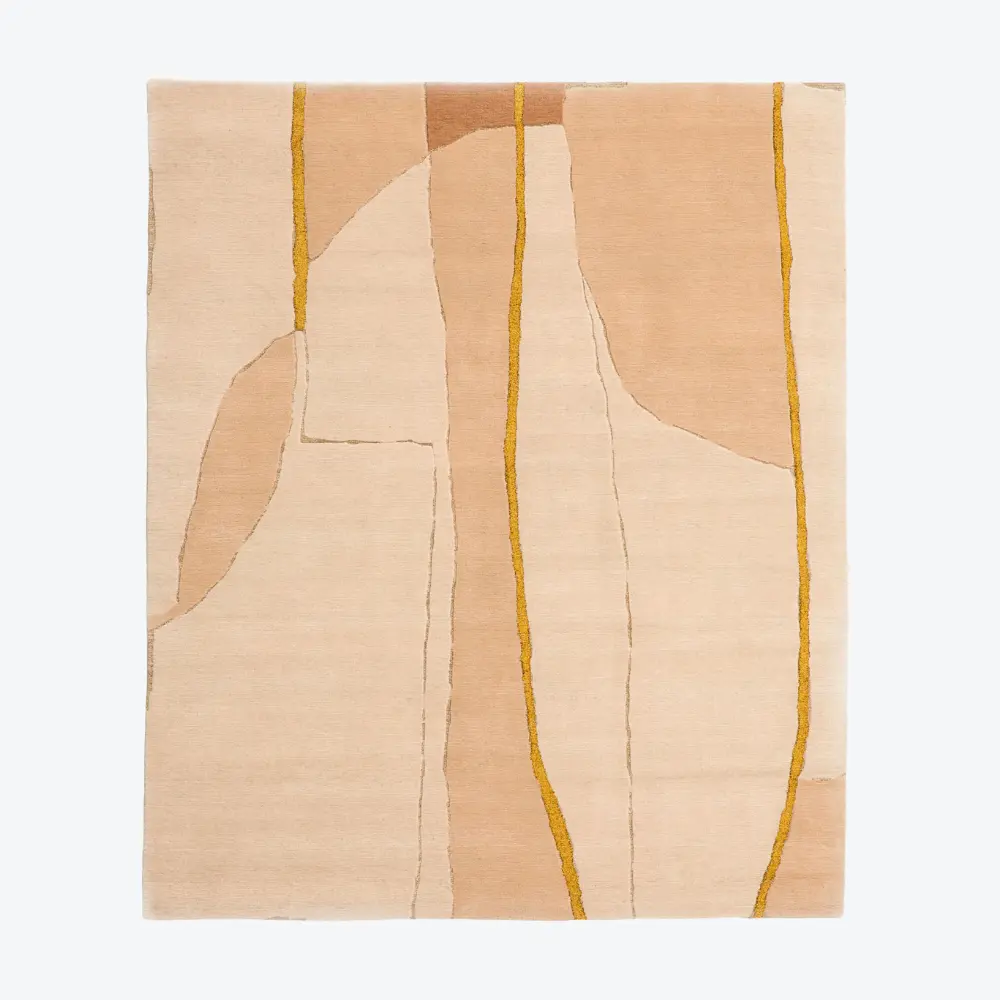
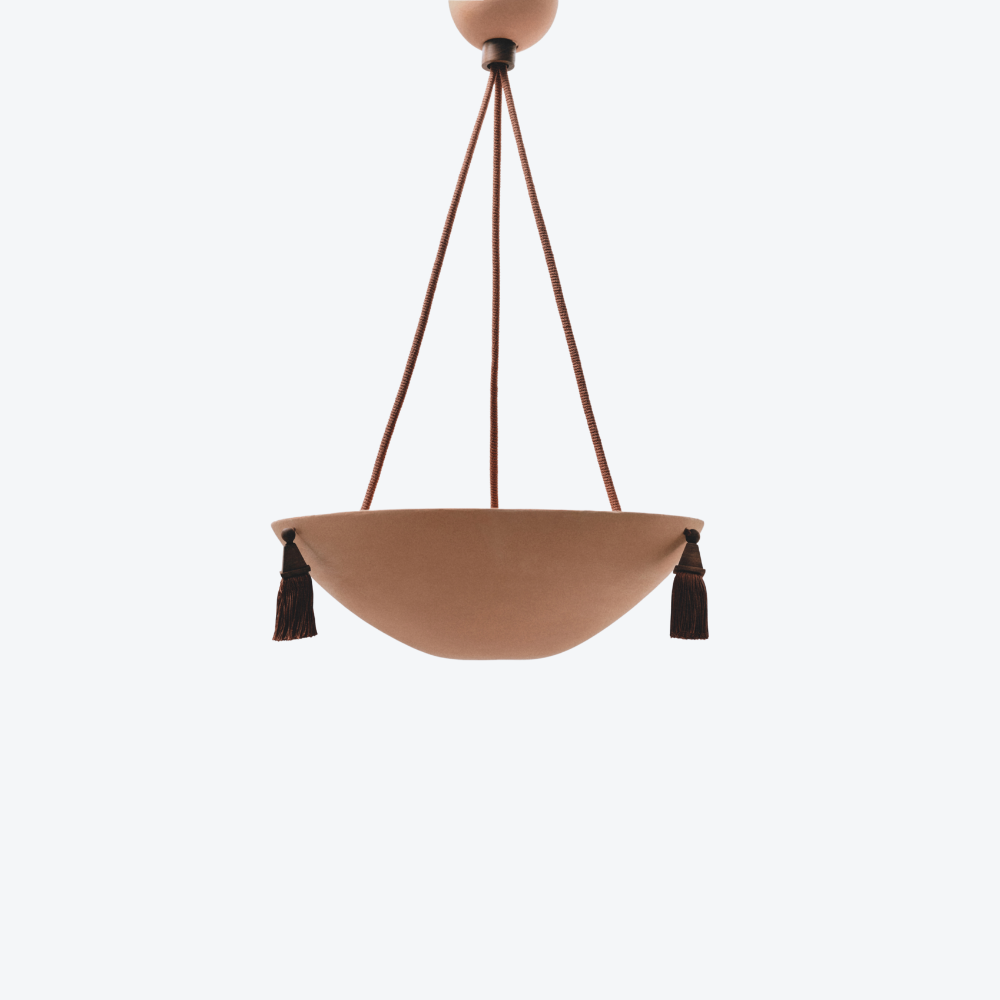
In the Jardin des Tuileries each spring, beneath a temporary tent-like structure that feels more salon than fair, PAD Paris unfolds with the studied ease of a well-appointed interior. A sort of mise-en-scène of taste, where design is not merely displayed, but staged as an ideal way of living. Founded in 1998 by Patrick Perrin, with early involvement from gallerist Stéphane Custot, PAD emerged at a moment when design occupied an ambiguous position in the market, never quite granted fine art status. The founders’ premise was both simple and radical: to give decorative arts, twentieth-century design, and contemporary creation a shared platform, curated with the discernment usually reserved for fine art fairs. At the time, major international fairs, led by Art Basel, largely privileged painting and sculpture, leaving design underrepresented. PAD addressed this absence directly, offering collectors a dedicated environment in which furniture, objects, and material experimentation could be considered with the same seriousness as canonical art forms. The fair’s enduring impact lies precisely here: in dissolving disciplinary hierarchies. By the early 2000s, it had established a model that many others would follow, placing historical and contemporary works in dialogue, and framing design as both collectible and culturally significant.
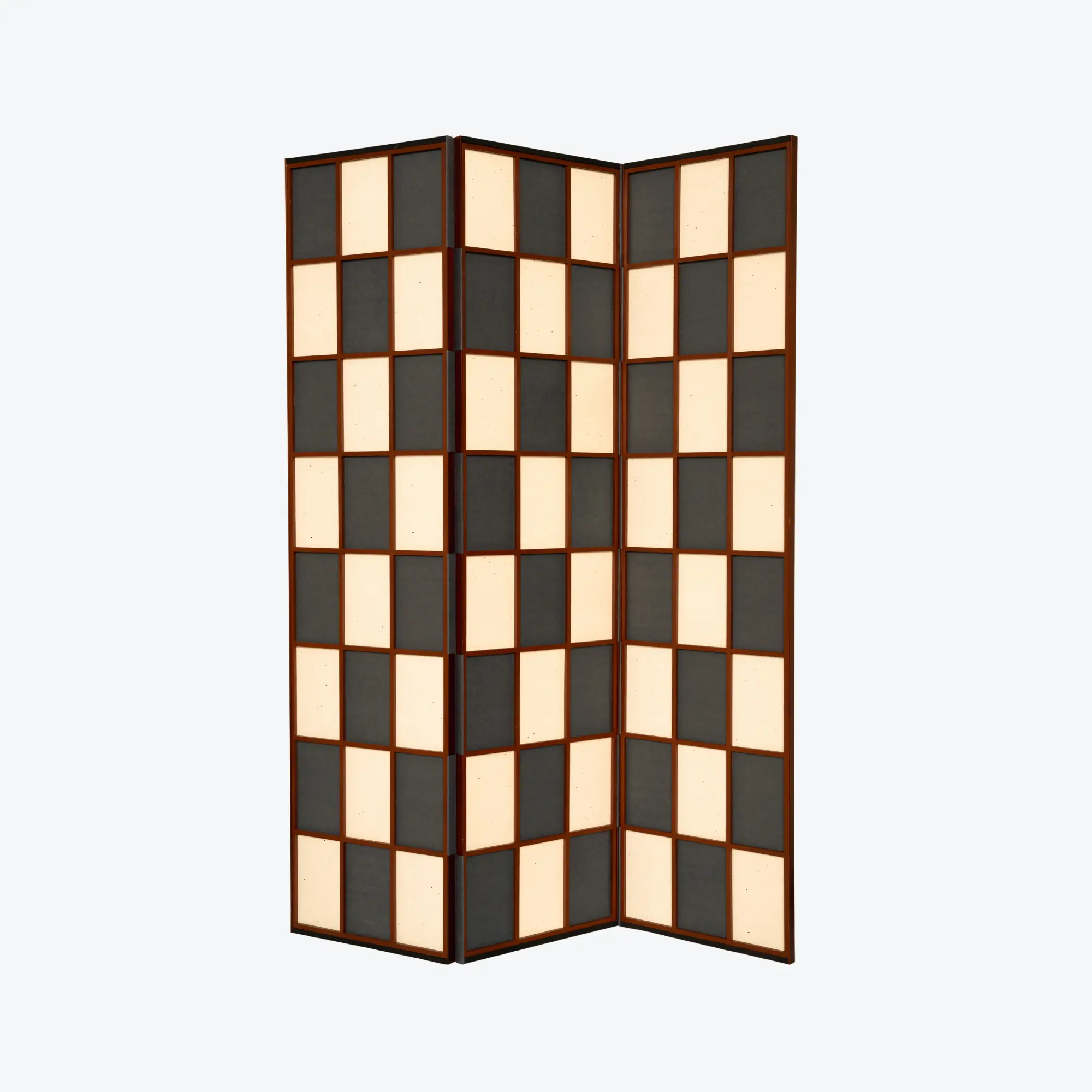
Crucially, PAD resisted the logic of scale, limiting the number of exhibitors to around seventy to preserve what has come to be described as an “intimist” atmosphere. The effect is deliberate: a fair that privileges connoisseurship over commerce, where each booth reads as a statement of intent. This curatorial restraint has become part of PAD’s identity, distinguishing it from the sprawling, more transactional nature of larger art fairs. Over nearly three decades, PAD Paris has also played a formative role in shaping the taste for what is now termed “collectible design.” Its cross-period approach — placing, say, a mid-century prototype beside a contemporary limited edition — encouraged collectors to think in terms of continuity rather than category. The fair has thus functioned less as a marketplace than as a lens, reframing how objects are valued and contextualised. Among the many works that have punctuated its editions, a few linger as emblematic of this ethos. Pieces by Pierre Paulin, regularly shown at PAD, exemplify the sculptural potential of modernist seating. Similarly, furniture by Prouvé or Perriand has appeared as a reminder of early twentieth-century innovation, where industrial logic meets artisanal finish. More recently, Franz West’s irreverent seating has underscored PAD’s ongoing interest in works that blur the boundary between art and design.
What emerges, ultimately, is a fair that operates less on trend than on intuition. PAD Paris does not announce movements, rather it takes the pulse of a feverish market where blue-chip designs, such as a Royère sofa, can distract collectors from a well of relevant designs, often overlooked. In its own confident way, PAD aligns galleries, designers, and collectors around a shared sensibility. In doing so, it has become not just a fixture of the design calendar, but a barometer of how we choose to inhabit space: where objects are never neutral, and taste is always in dialogue with time.