Background
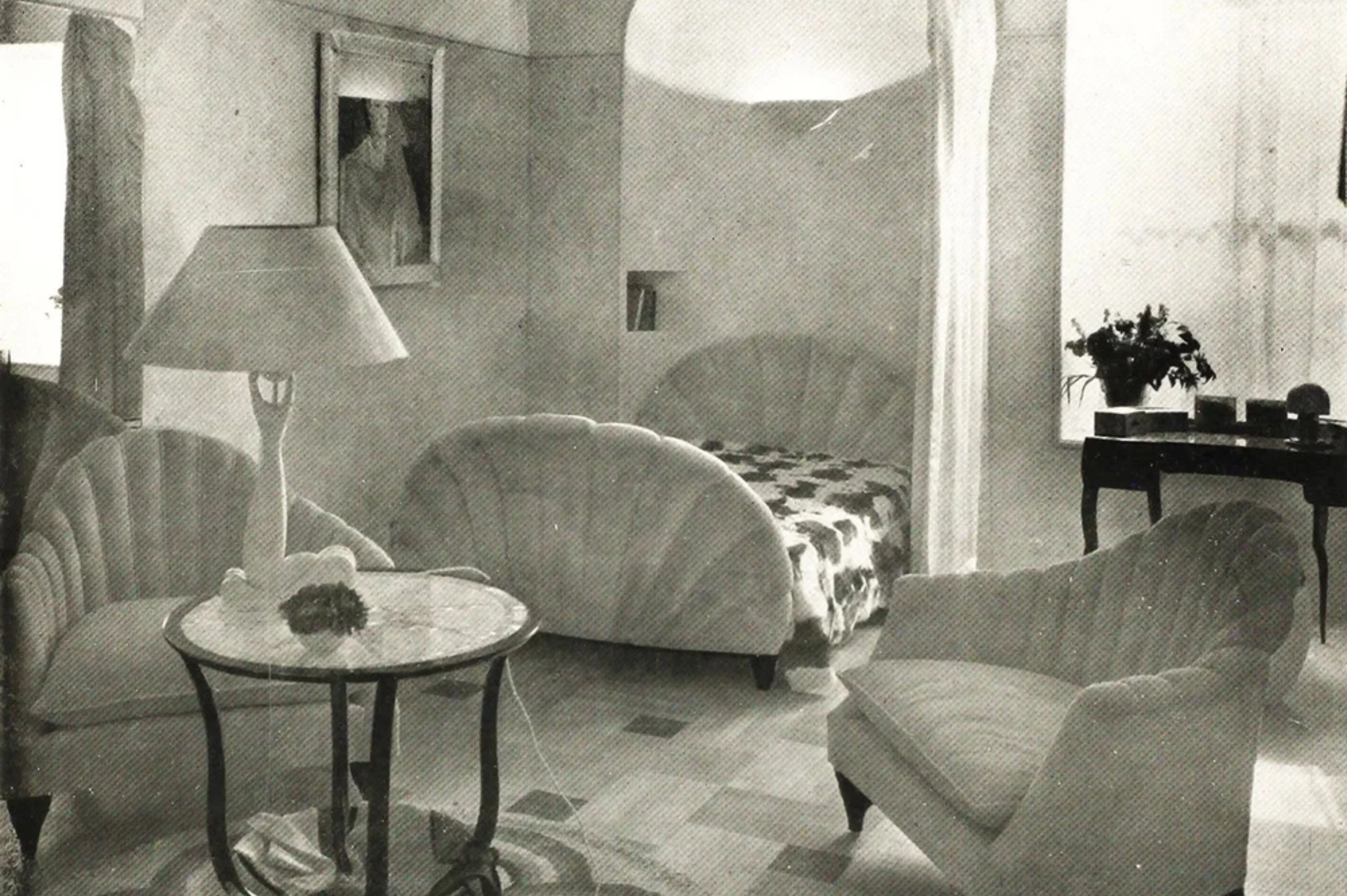
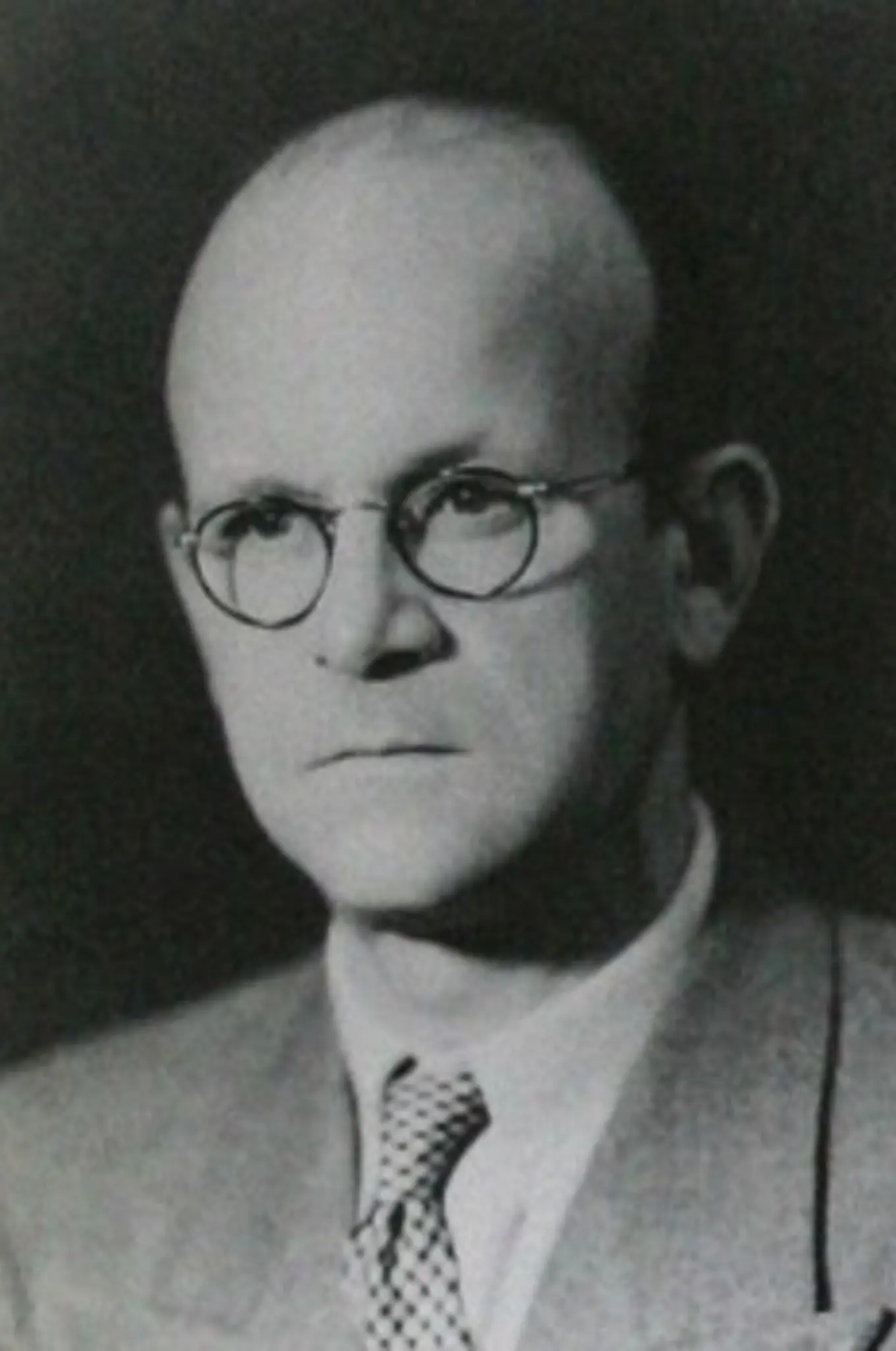
André Groult (Paris, 1884–1966) was a French “ensemblier-décorateur” who moved among avant-garde artists and couturiers — helped by his wife, the fashion designer Nicole Groult (née Poiret) — and exhibited from the 1910s onward. A key figure in the post-Art Nouveau, early Art Deco generation, he befriended and collaborated with Jacques Doucet, to name but one. His best-known public commission came at the 1925 Exposition Internationale des Arts Décoratifs et Industriels Modernes in Paris, where he installed a celebrated “Chambre de Madame” in pink and grey tones. Today, French national collections, notably the Musée d’Orsay and the Musée des Arts Décoratifs, preserve important examples of his work. His legacy lives on at Invisible Collection through the work of his granddaughter, straw-marquetry master Lison de Caunes, who continues the family’s devotion to exceptional craftsmanship and tactile luxury.
Signature Style
Groult’s language blends voluptuous, rounded silhouettes with an almost couture-like “surface dress”: precious leathers (especially shagreen/galuchat), lacquer, exotic veneers, and refined metal or ivory mounts. He often softened modern volumes with historical allusions (Rococo and Louis-Philippe curves, Empire sobriety) while keeping lines uncluttered and exquisitely proportioned. The 1925 bedroom epitomized this balance: curvaceous forms, walls swathed in rose silk, and furniture sheathed in natural shagreen — an emblem of French luxury modernism that nodded to tradition without pastiche. Museum texts underscore this “modern classicism,” situating Groult alongside peers like Ruhlmann while noting his particular fondness for supple, anthropomorphic forms and sensuous tactility.
Showstoppers
Among his many creations, the furniture pieces created for the 1925 exhibition, now part of the permanent collection of MAD. Highlights include the iconic Chiffonnier Anthropomorphe, a tall, torso-like design made of mahogany clad in radiating panels of shagreen with ivory details, revealing Groult’s couture approach to furniture and his preference for rounded, living forms.