For any enquiry regarding the work of Musée de la Nacre et de la Tabletterie
Musée de la Nacre et de la Tabletterie is a recipient of the Liliane Bettencourt Prize pour l’Intelligence de la Main®
This craftmanship is fascinating yet barely known. The small town of Méru, 50 kilometres from Paris, is home to the Musée de la Nacre et de la Tabletterie, which preserves and passes on a unique craft and industrial heritage emblematic of this area in the southern part of the Oise department.
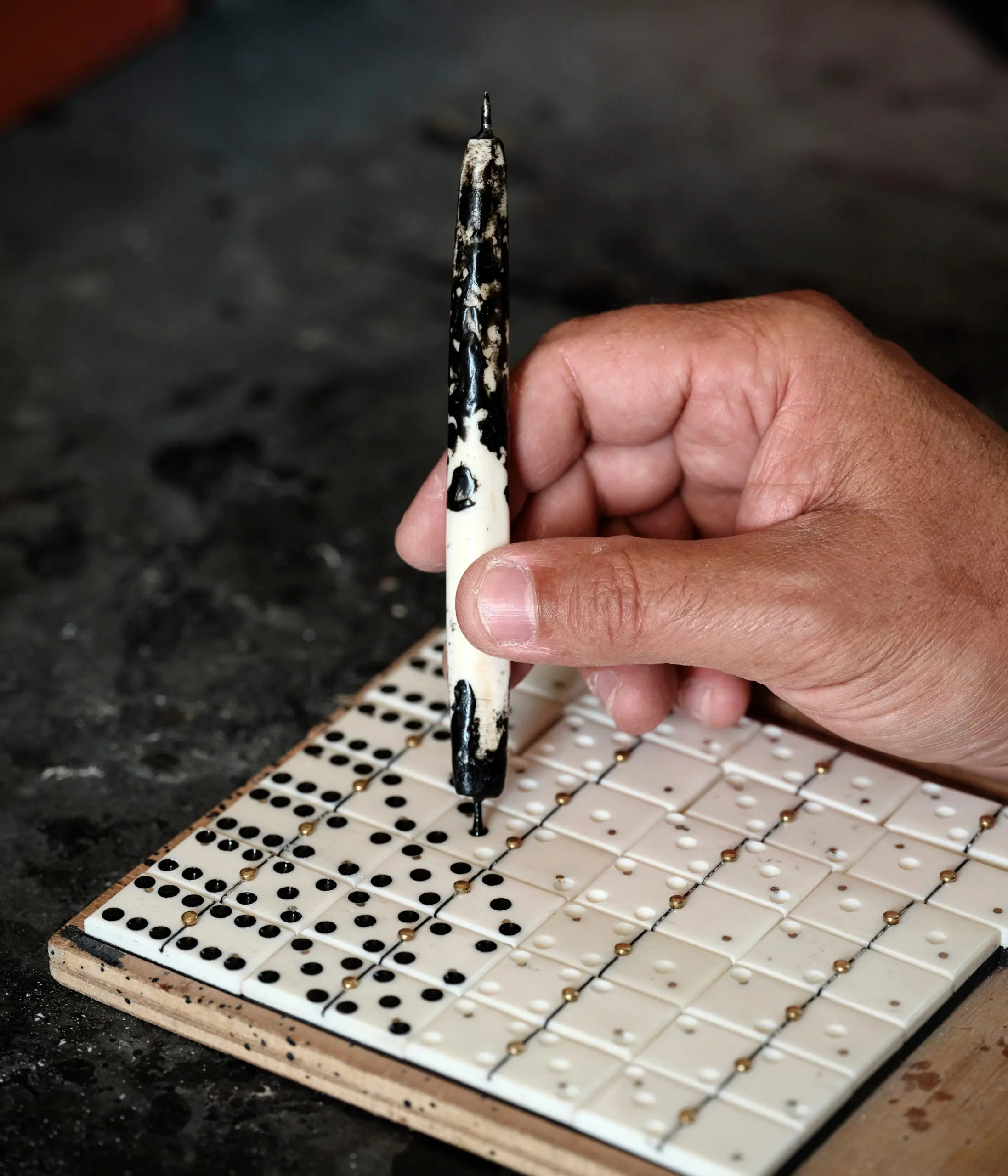
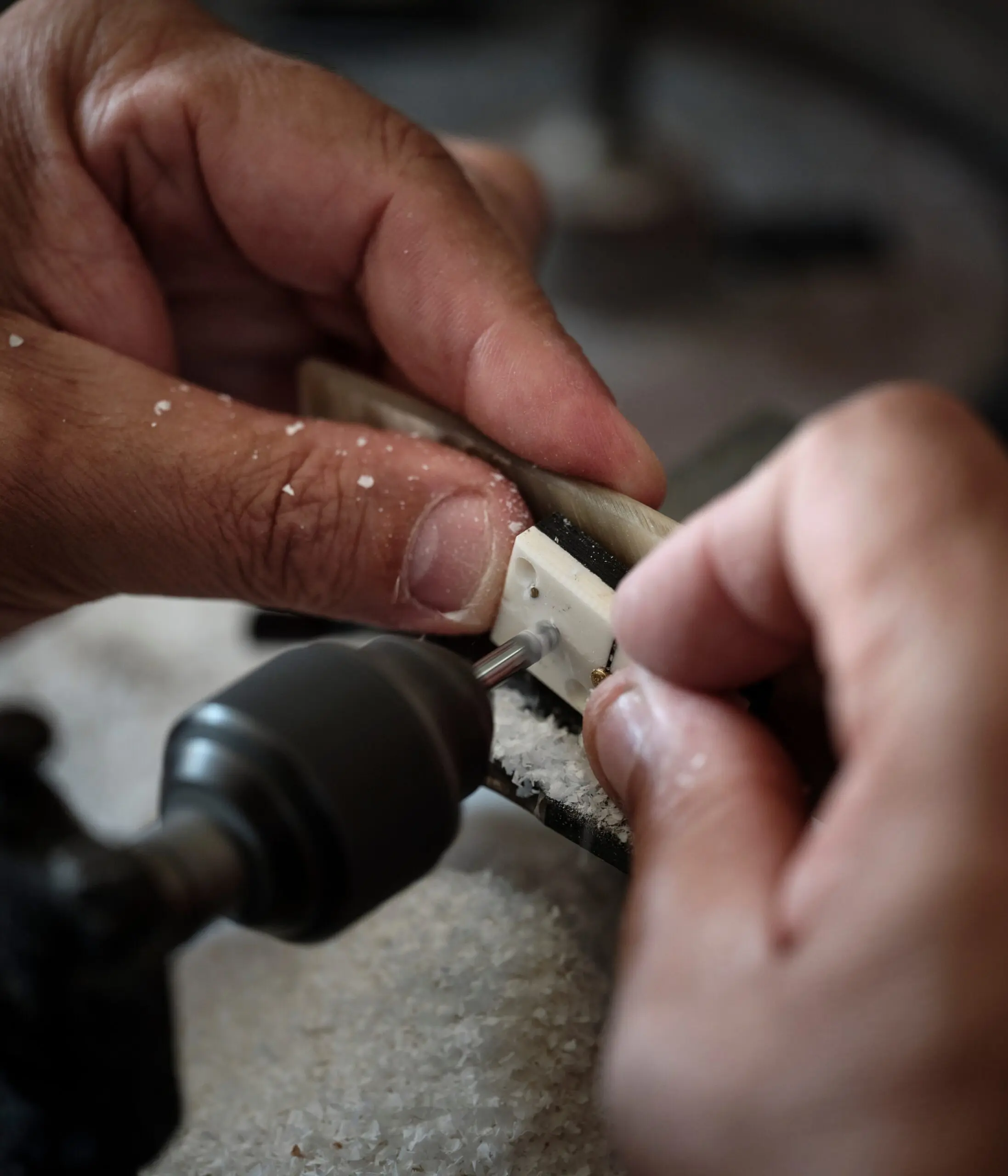
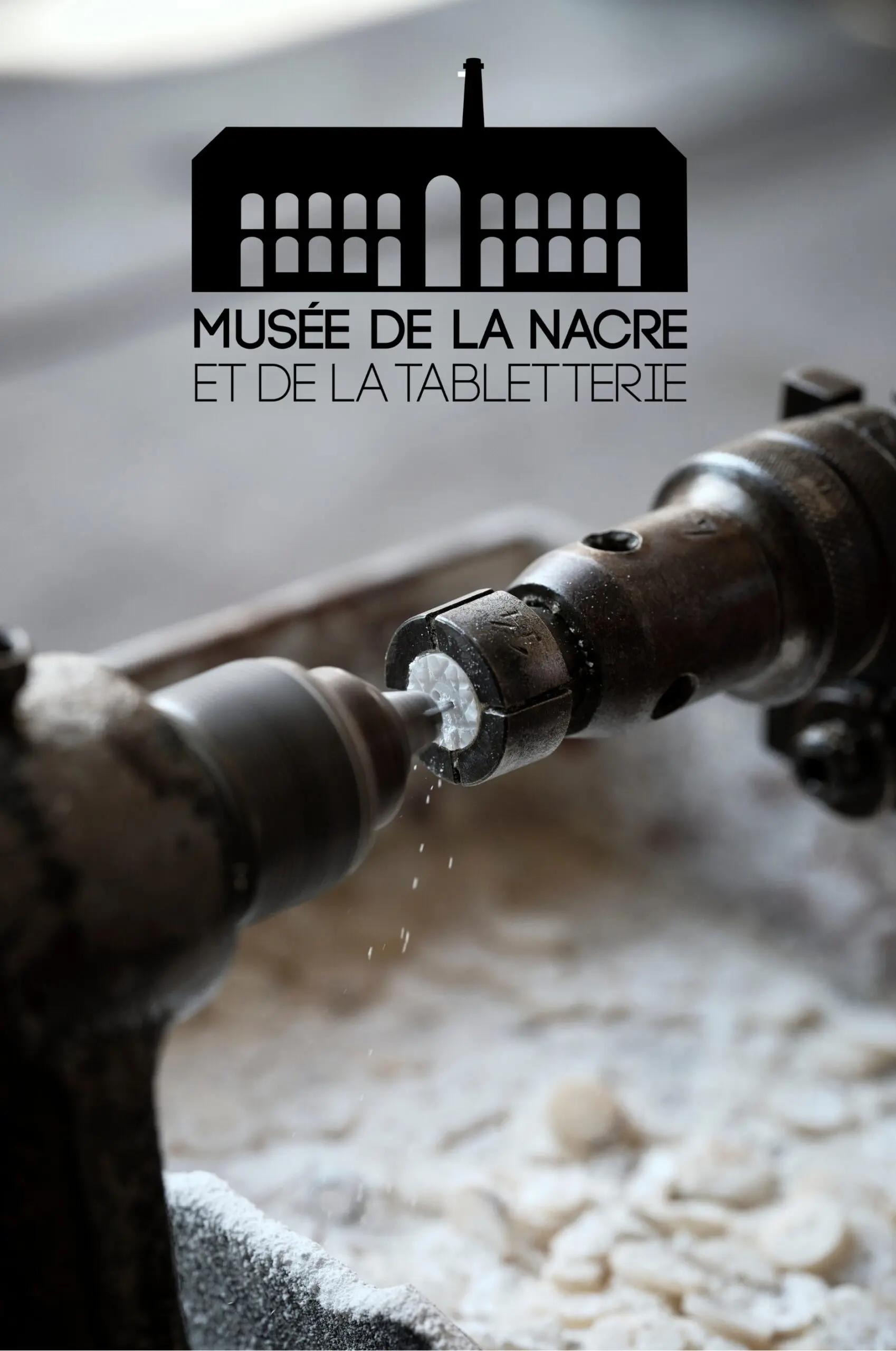
Created in 1999, the museum showcases the art of tabletiers, who for over 500 years have worked with hard materials of plant or animal origin such as bone and horn. Their intensely precise craft emerged in the Middle Ages with the creation of small writing tables (the French word tabletier comes from the Latin tabula, meaning “table”) and gradually expanded to include the making of everyday objects like combs, brushes, canes, buttons and knives as well as games such as dice and dominoes. The diversification of raw materials (mother-of-pearl, ebony, ivory, tortoiseshell) fuelled the trade’s expansion in the late 17th century, but the 19th is when it reached its peak with industrialisation.
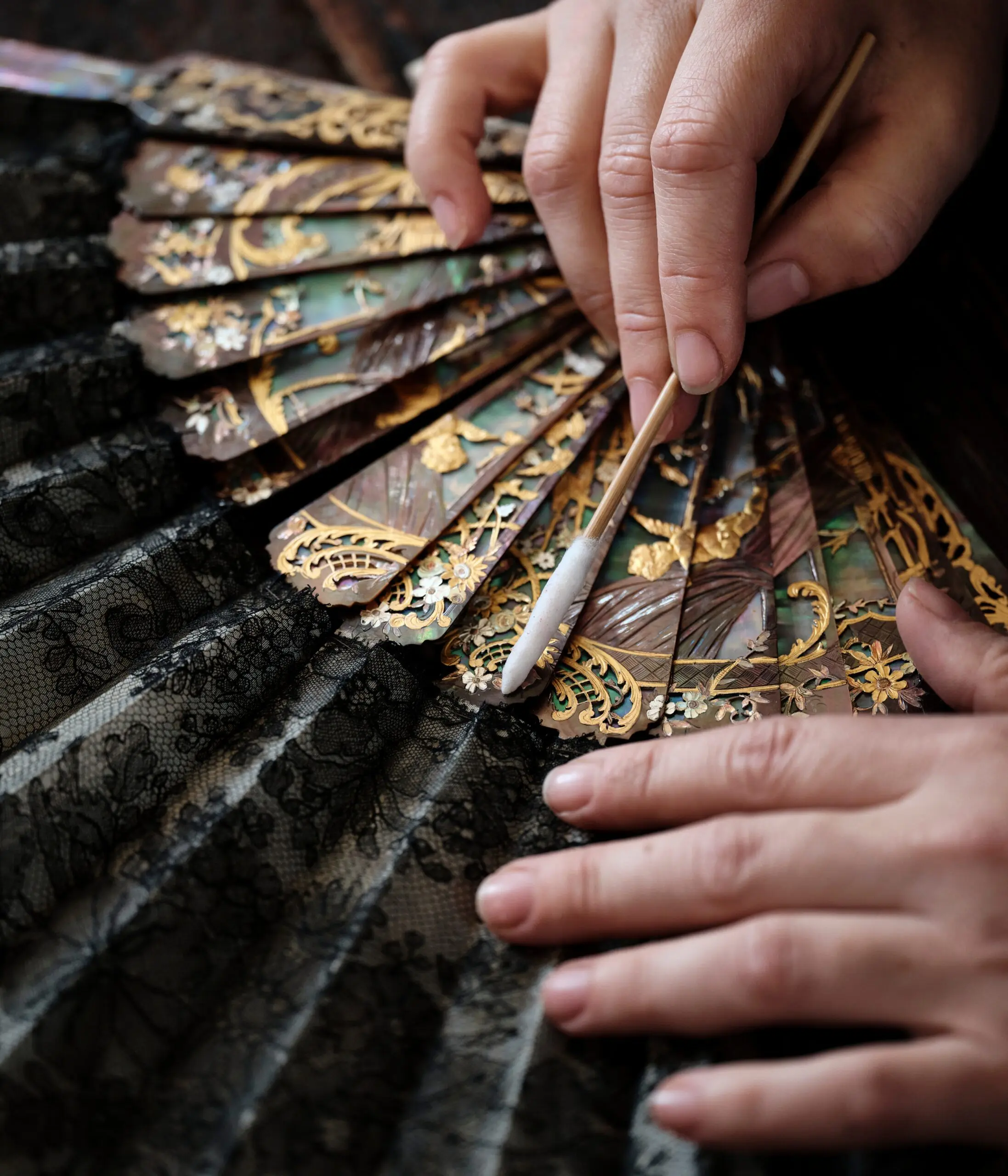
The Méru region once boasted nearly 10,000 tabletiers, who produced flatware, buttons, other fashion accessories and fans, which were spectacularly successful. They made the structure of the fans (engraving and sculpture), which large Parisian workshops then adorned with lace, feathers, painted silk or Japanese paper. This golden age was inexorably followed by decline when plastic and cheap products from Asia arrived in the 1930s.
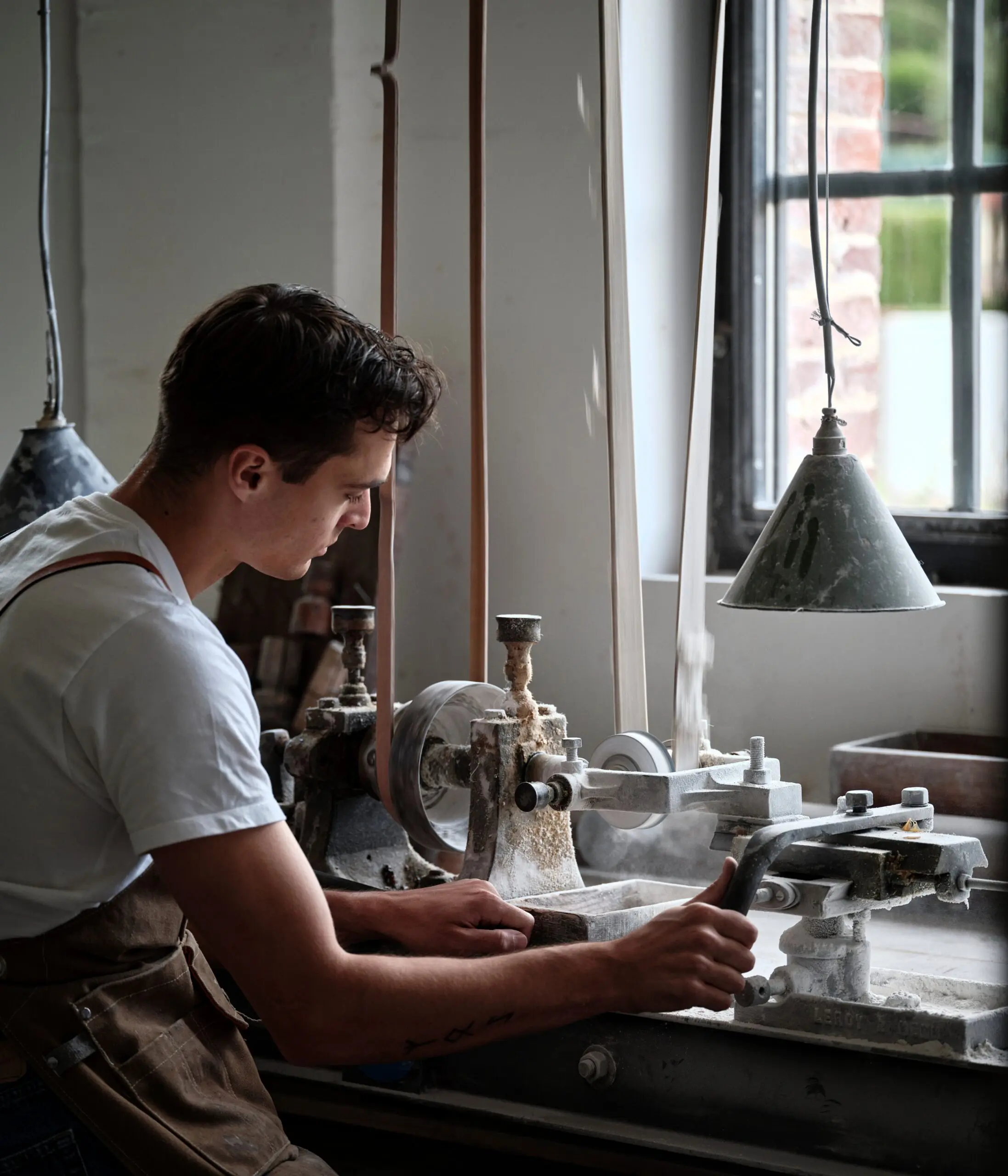
To showcase this rare craftsmanship, which is still emblematic of the region, the Musée de la Nacre et de la Tabletterie is committed to passing on this heritage by demonstrating the main techniques in a creation and restoration workshop; conserving collections and presenting techniques and pieces dating back to the 16th century; and achieving a cultural goal by purchasing the outstanding collection of fans from the Musée de l’Éventail in Paris in 2023. What better way to celebrate the 25th anniversary of the museum, which aims to reaffirm its purpose more than ever: bringing together tradition and innovation, local roots and international influence, the memory of past craftsmanship and the future of the collections.