Background
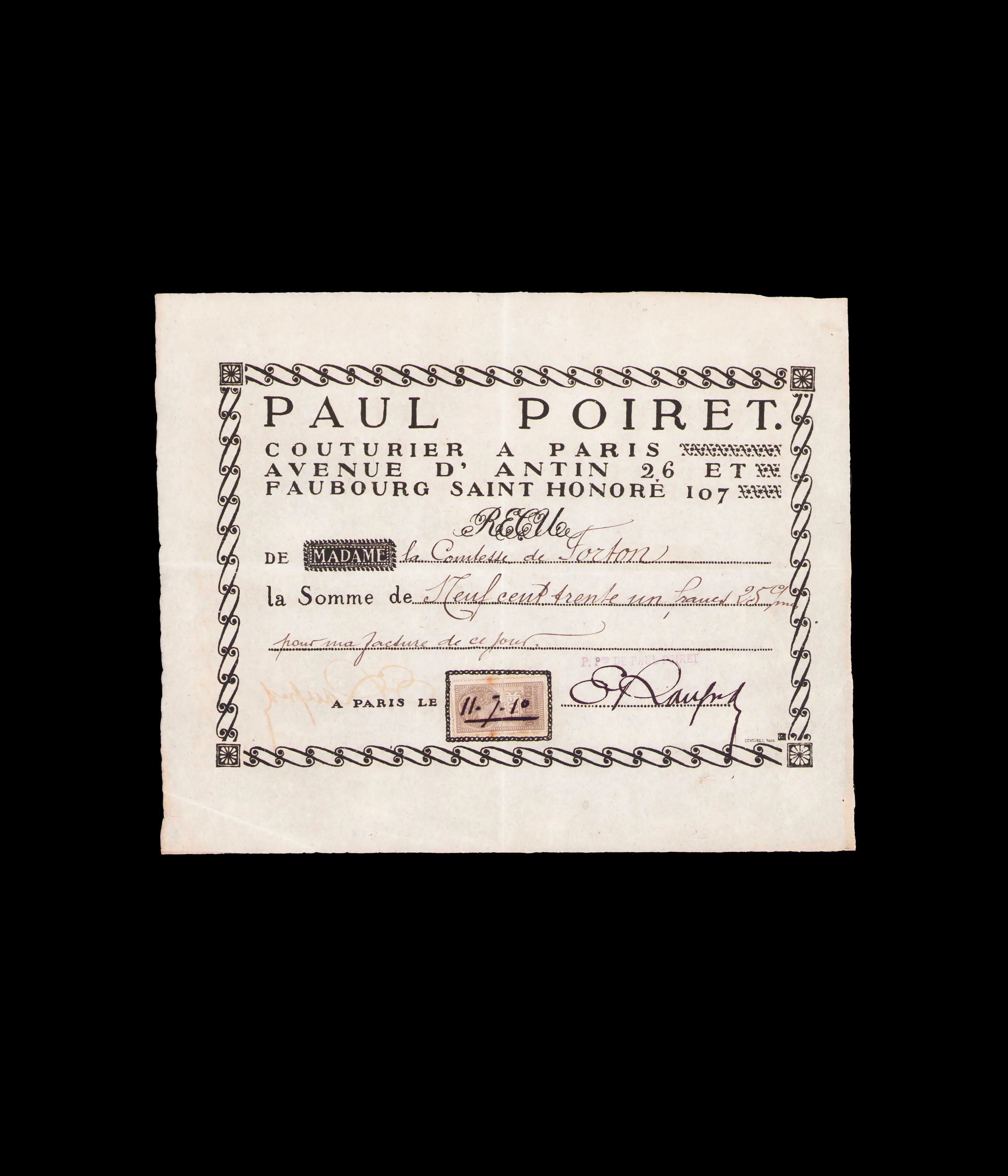
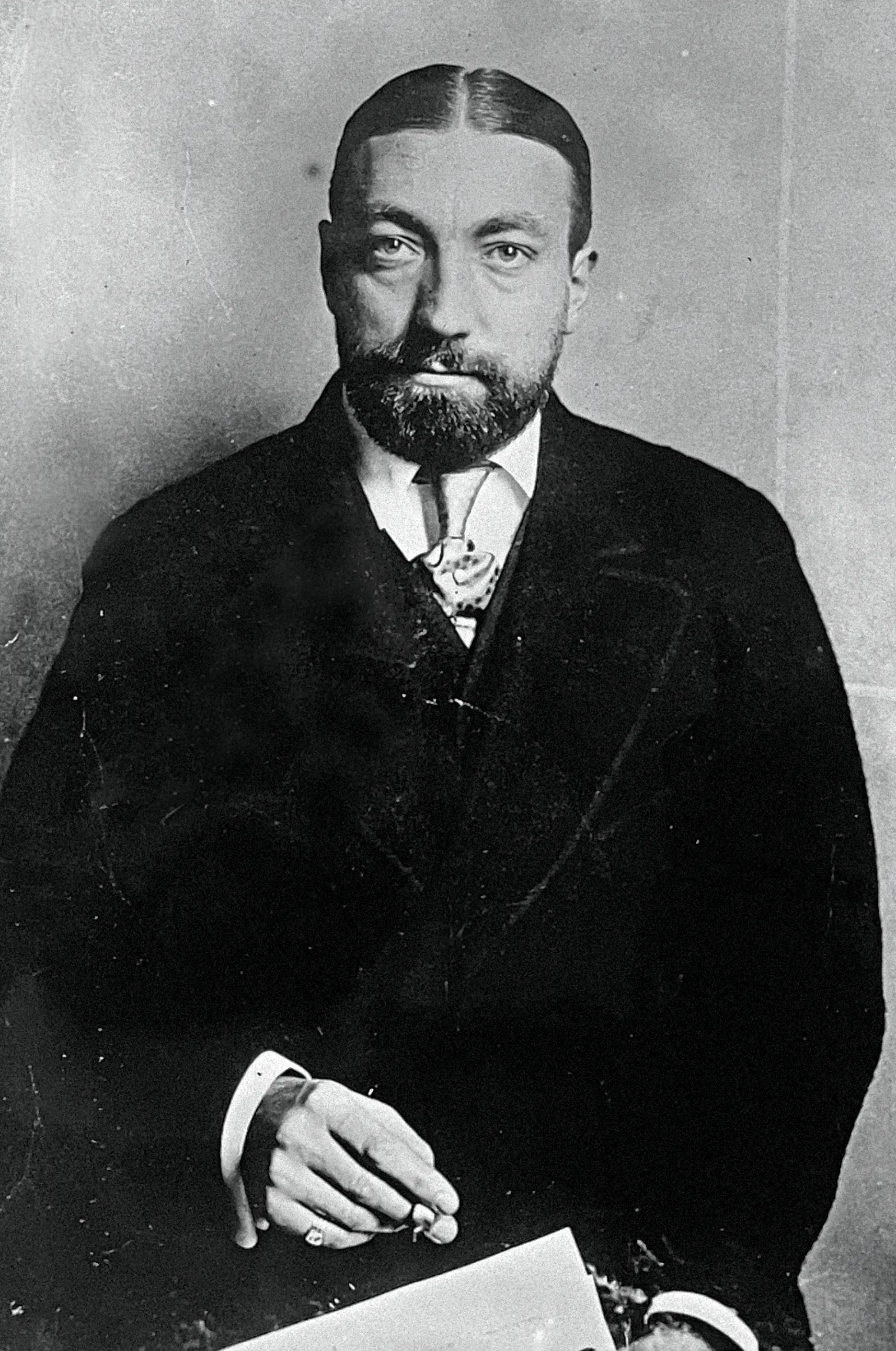
Paul Poiret (1879–1944) was a pioneering French couturier whose ideas helped shape the foundations of modern fashion. Born in Paris to a cloth merchant, he trained with Jacques Doucet before establishing his own couture house in 1903. Poiret quickly gained attention for his innovative approach to design and his belief that fashion could be both artistic and modern. During the Belle Époque, he became known not only for his clothing but also for transforming couture into a total lifestyle, creating perfumes, textiles, and interior pieces that extended his vision beyond the wardrobe. His influence reached across Europe and America, positioning him as one of the first designers to link fashion, commerce, and culture on a global scale.
Signature Style
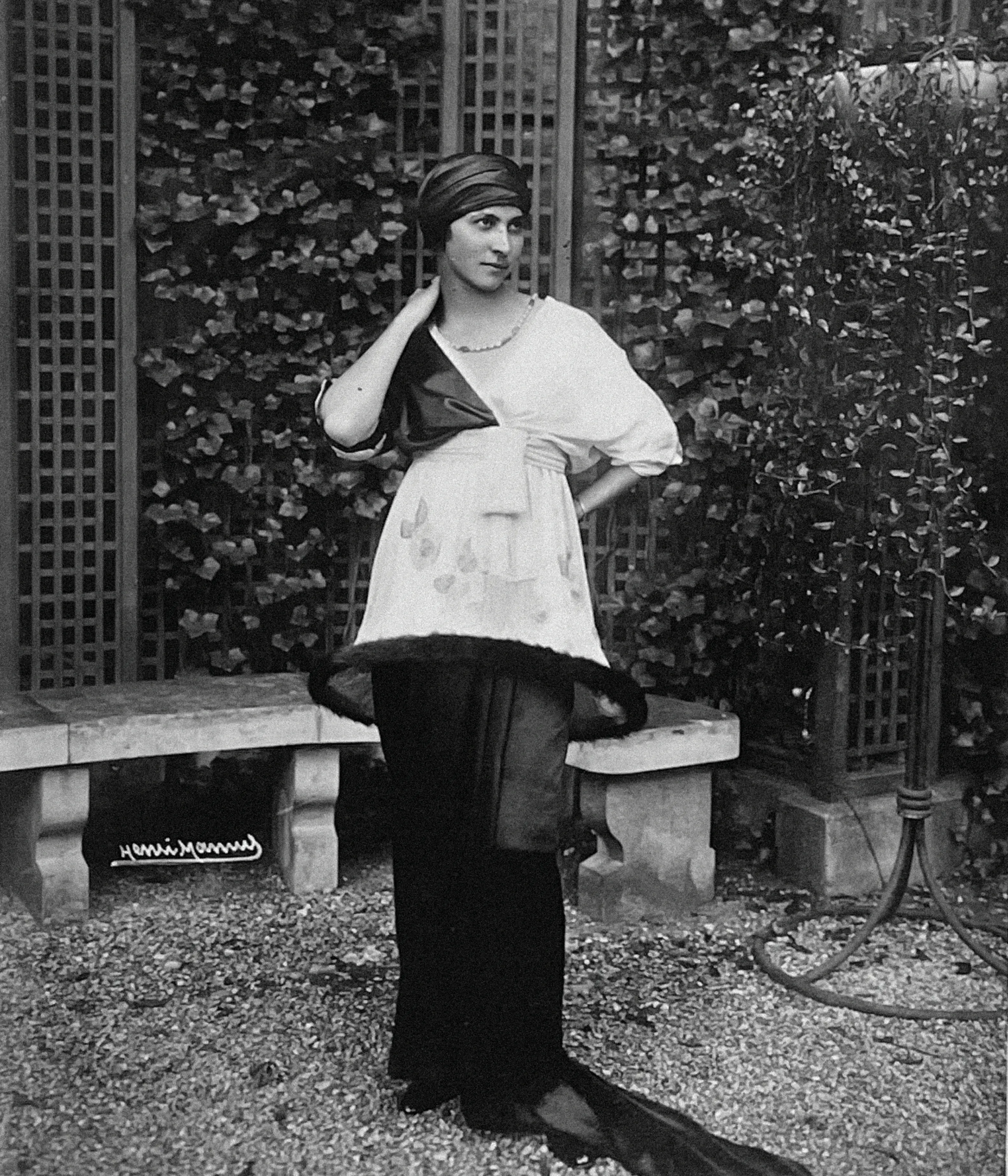
Poiret’s work was defined by its liberation from structure and its embrace of pure form. Rejecting the corset, he introduced loose, draped silhouettes inspired by antique dress and non-Western traditions. His use of rich colour, bold pattern, and luxurious materials reflected a deep engagement with the arts — particularly Orientalist painting and the emerging modernist movements of early-20th-century Paris. The kimono coat, the hobble skirt, and his dramatic evening wraps all embodied a new sense of movement and ease. Through these designs, Poiret championed freedom and individuality, shifting the focus of couture from technical constraint to aesthetic expression.
Showstoppers
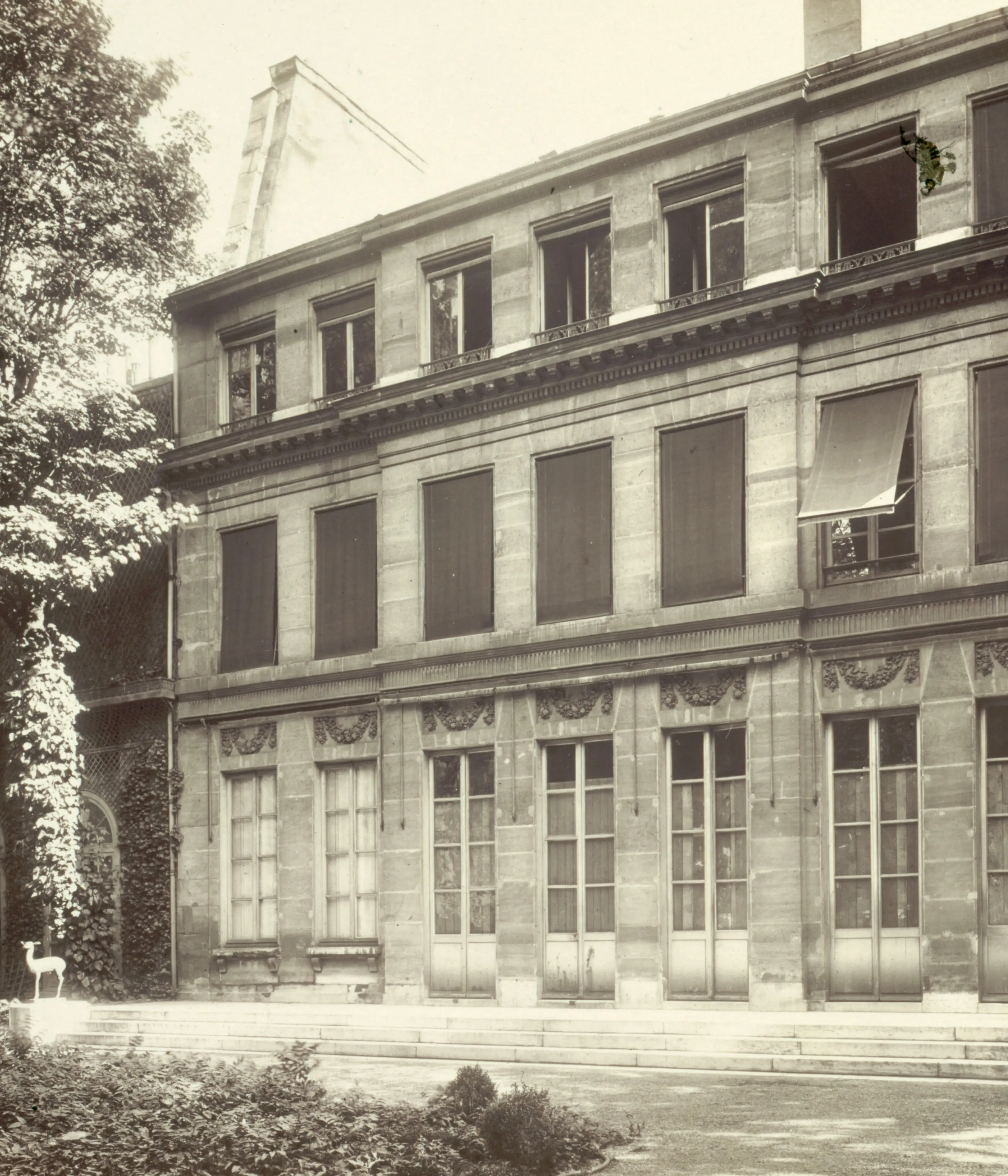
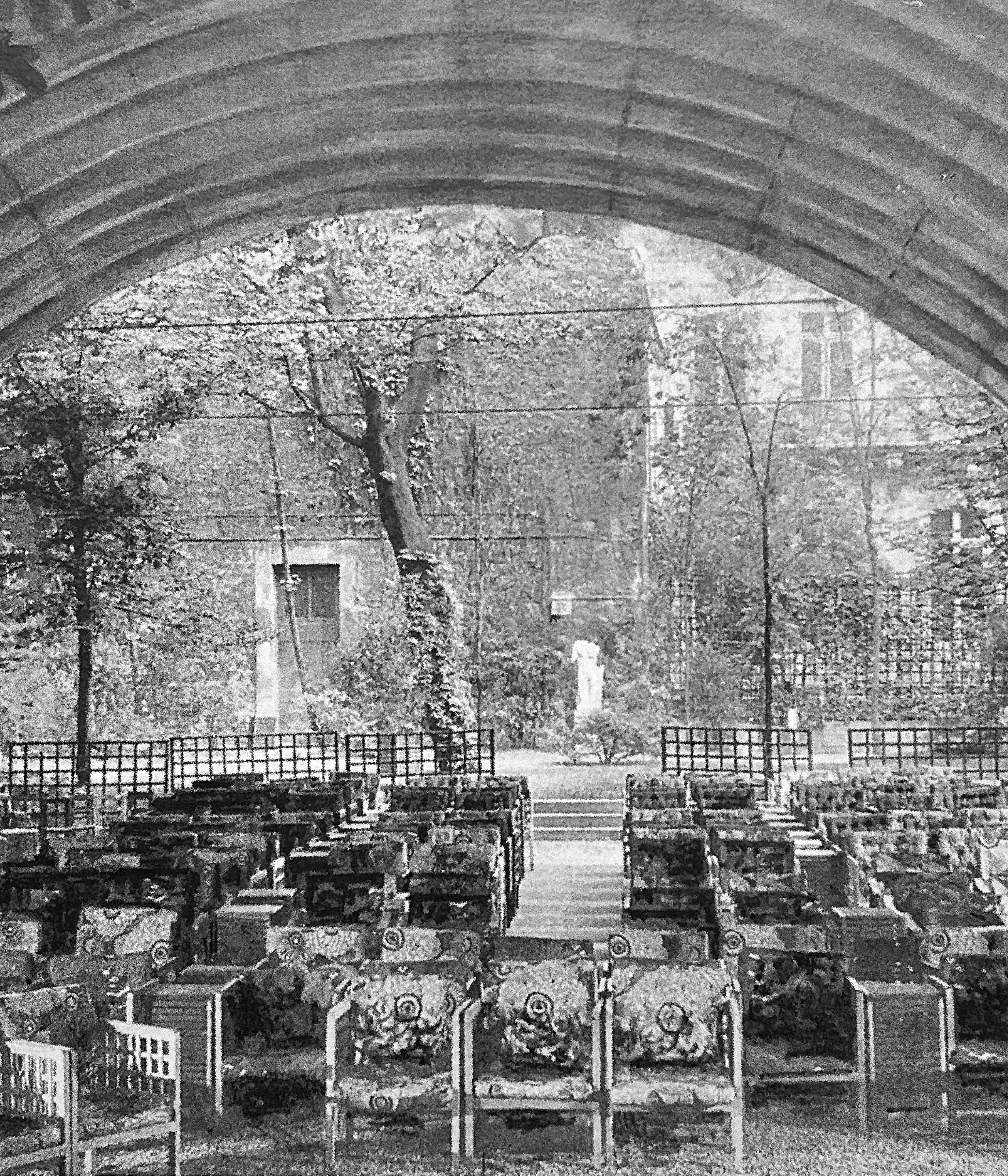
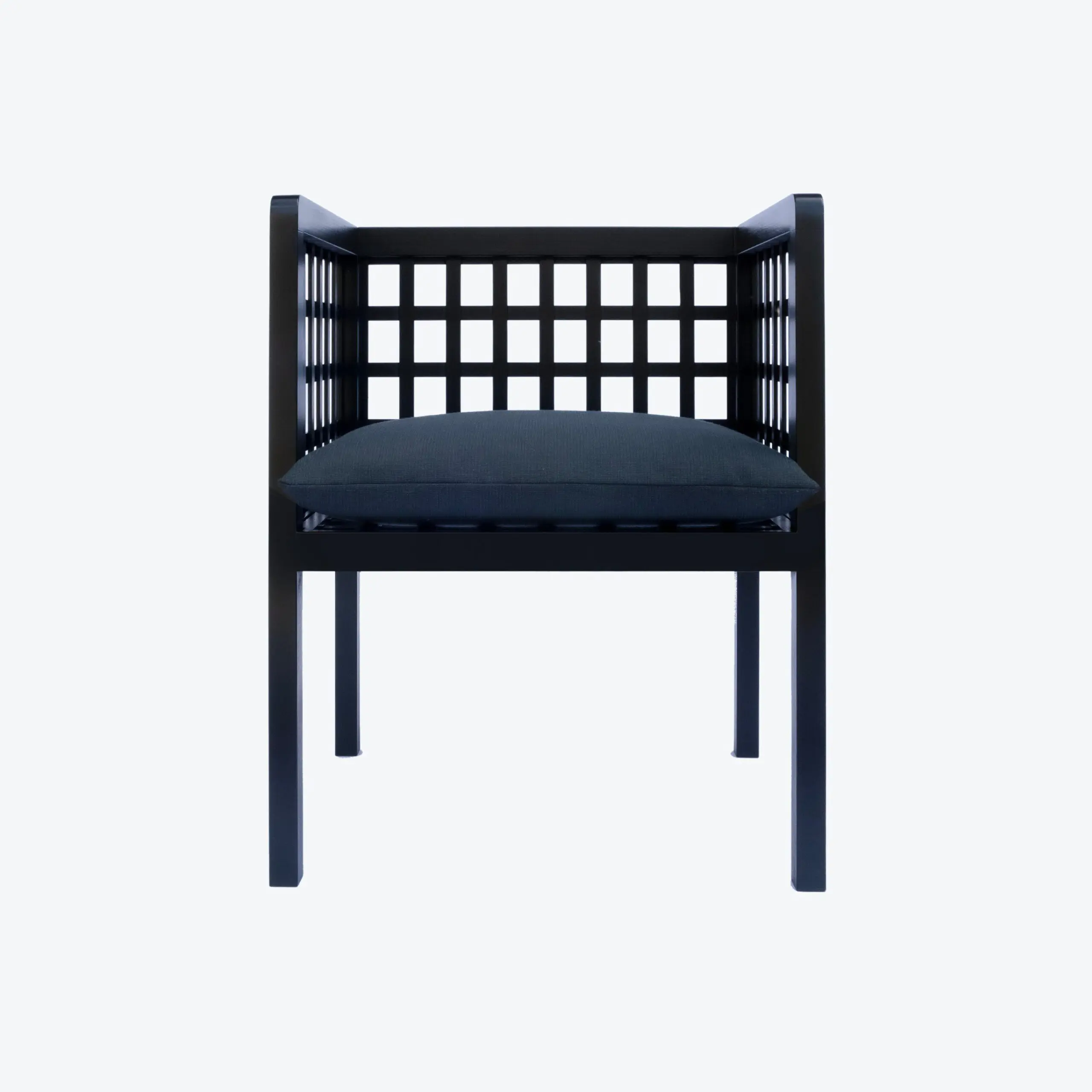
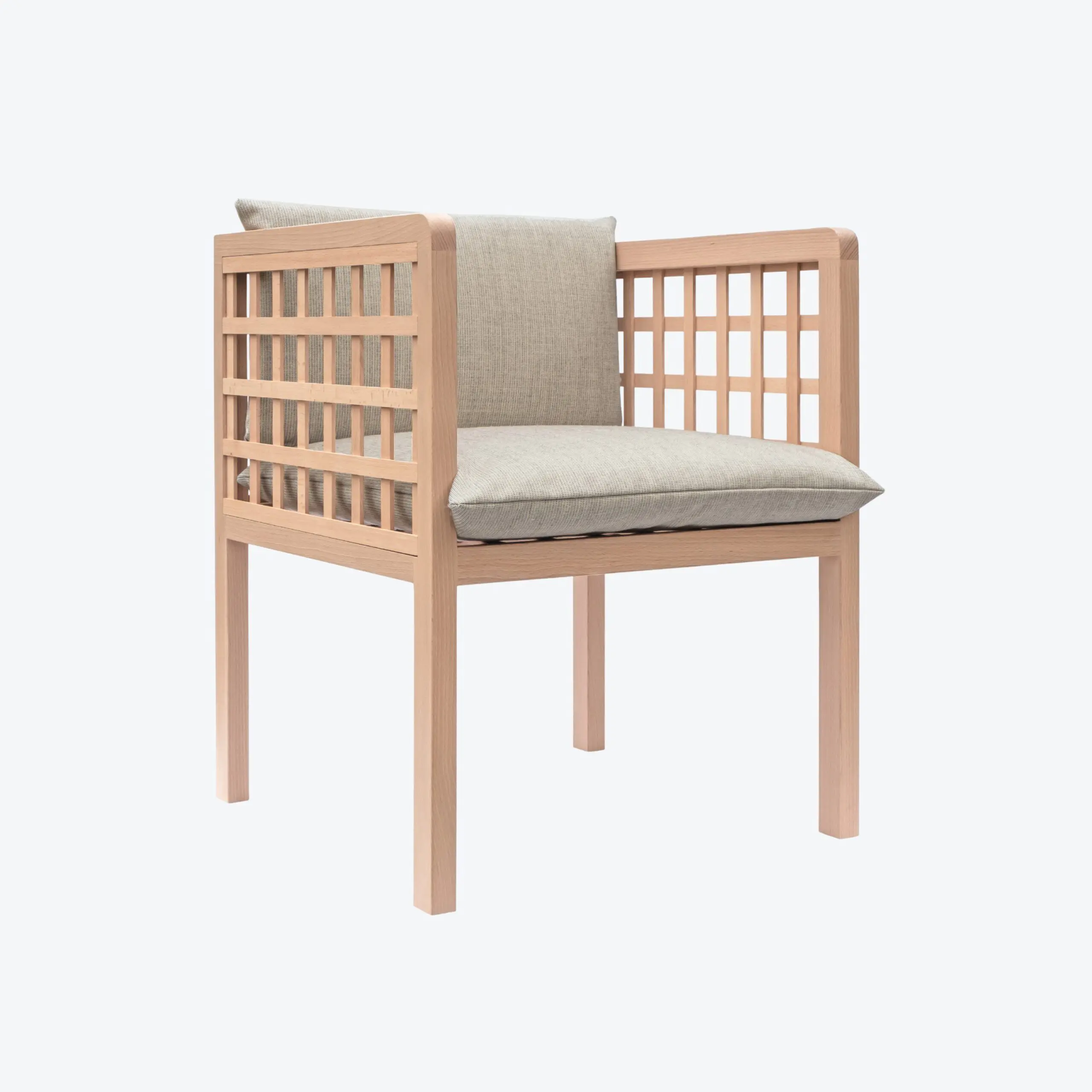
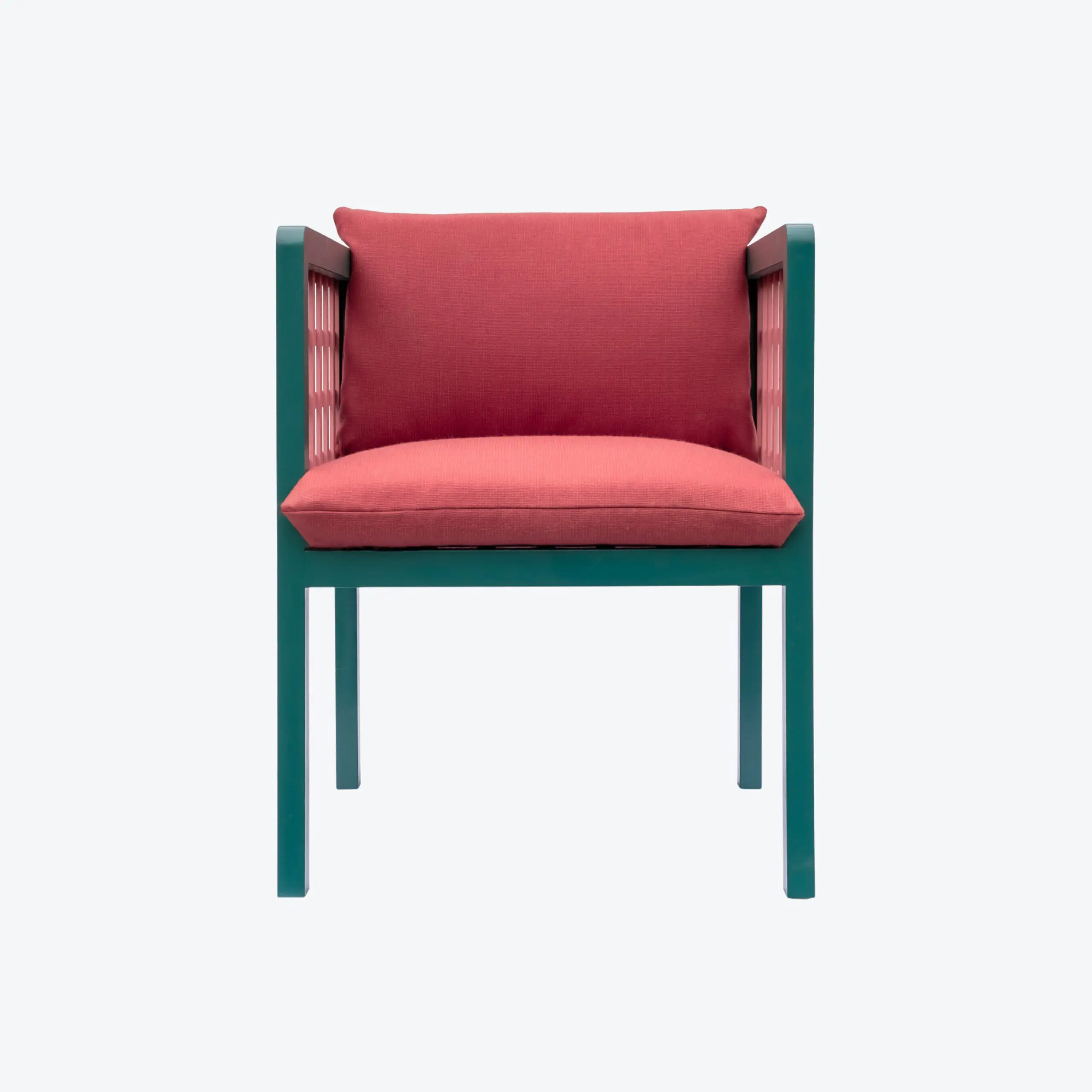
Among Poiret’s enduring creations is the Avenue d’Antin armchair, designed as part of his interior collections around 1913. Recently re-issued by Fassen, it highlights his vision of harmony between fashion and décor. With its geometric lattice and refined proportions, the chair exemplifies Poiret’s belief that design, whether in fabric or furniture, should express elegance, invention, and a coherent artistic life.