They say history is never finished, and in a way there is a great deal of history in this extraordinary penthouse at Le Provençal, the legendary palace owned by British developer John Caudwell. The history we are talking about is not something fixed, to be preserved and admired from afar, but a living inheritance: the arts décoratifs, the exceptional savoir-faire passed down through generations, and the art of living that made the French Riviera the place where legends were born. The idea behind Penthouse Nacre was to draw on all of this and interpret it in a very contemporary way. To create something that belongs to the present, while nodding to a past that remains wonderfully alive in the collective imaginary. The story begins with a conversation between America and France. Built between 1926 and 1927 for the American entrepreneur Frank Jay Gould, Le Provençal was conceived as a new kind of Riviera palace. With architect Lucien Stable and decorator David Dellepiane, he created a modern hotel overlooking the Mediterranean, at the very moment the Côte d’Azur was becoming a fashionable destination for the “bright young things” and the lost generation of the Jazz Age. It was a world of extraordinary people and extraordinary freedom. Scott and Zelda Fitzgerald rented a villa next door during those same years; Charlie Chaplin stayed at the hotel in 1931, taking a respite after City Lights. Writers, painters, artists, collectors and tycoons came to holiday and exchange ideas, to enjoy the good life and reinvent the rituals of leisure. They helped create the Riviera legend almost as they lived it. Nearby, the Beaumont estate would later host summers for the Kennedys in the late 1930s, when the patriarch, Joseph, was serving as American ambassador to the United Kingdom. What emerged was a particular transatlantic sensibility: French sophistication animated by American energy, insouciance and appetite for possibility.


That cultural exchange is one of the threads running through Penthouse Nacre. The other comes from the remarkable succession of private villas created along this coast during the first half of the twentieth century. Think of Villa Kérylos at Beaulieu-sur-Mer, conceived by Emmanuel Pontremoli for Théodore Reinach; Villa Ephrussi de Rothschild at Saint-Jean-Cap-Ferrat, built by Aaron Messiah for Béatrice de Rothschild; or La Pausa at Roquebrune-Cap-Martin, completed by Robert Streitz for Gabrielle Chanel as Le Provençal was taking shape. Further inland, Christian Dior would acquire Château de la Colle Noire, entrusting its restoration to André Svétchine in a landscape dotted by the roses and jasmine of Grasse. These houses do not share a single decorative vocabulary. What connects them is something more profound: a precise vision brought to life through the collaboration of a patron, an architect and craftsmen whose rare skill and knowledge of materials were extraordinary. Architecture, culture and savoir-faire became inseparable, producing places that could never be replicated simply by copying their appearance. That lineage matters enormously here. Penthouse Nacre was never intended to feel like an exercise in period decoration, but rather like another chapter in this tradition of deeply personal, beautifully made interiors.

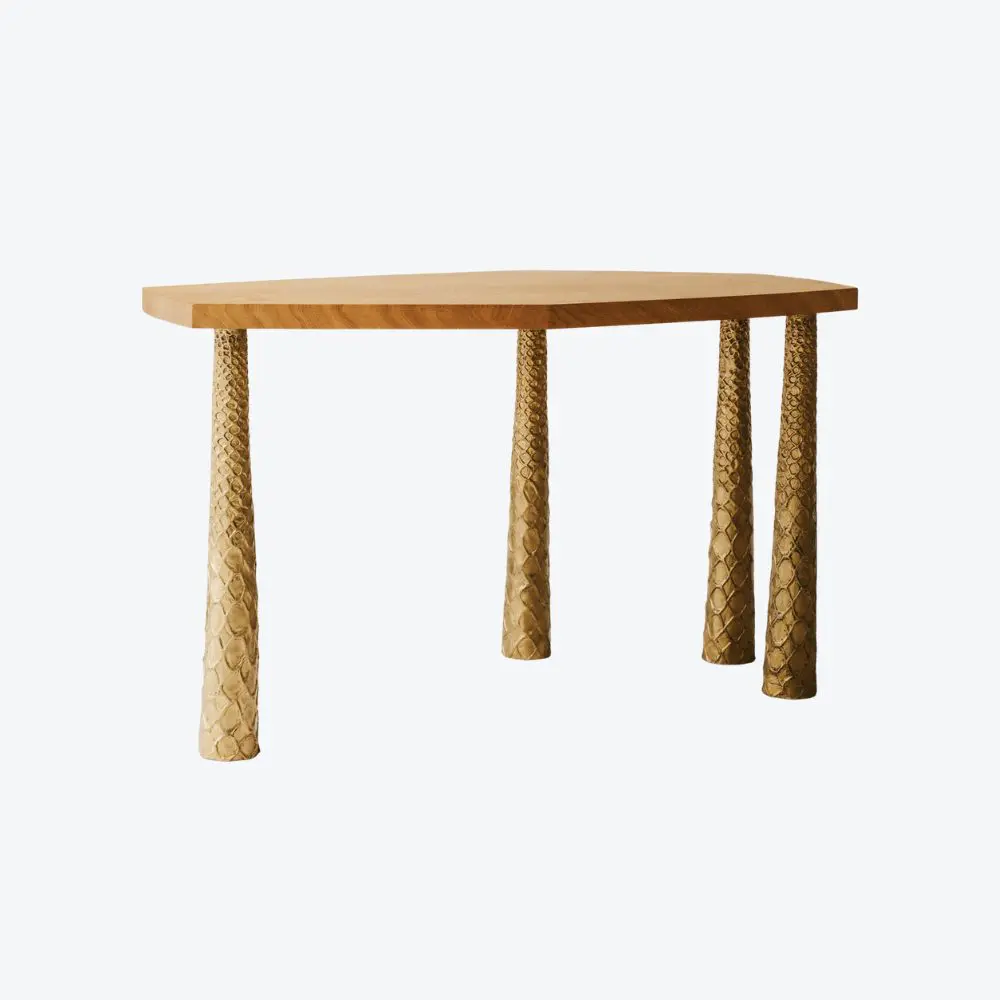
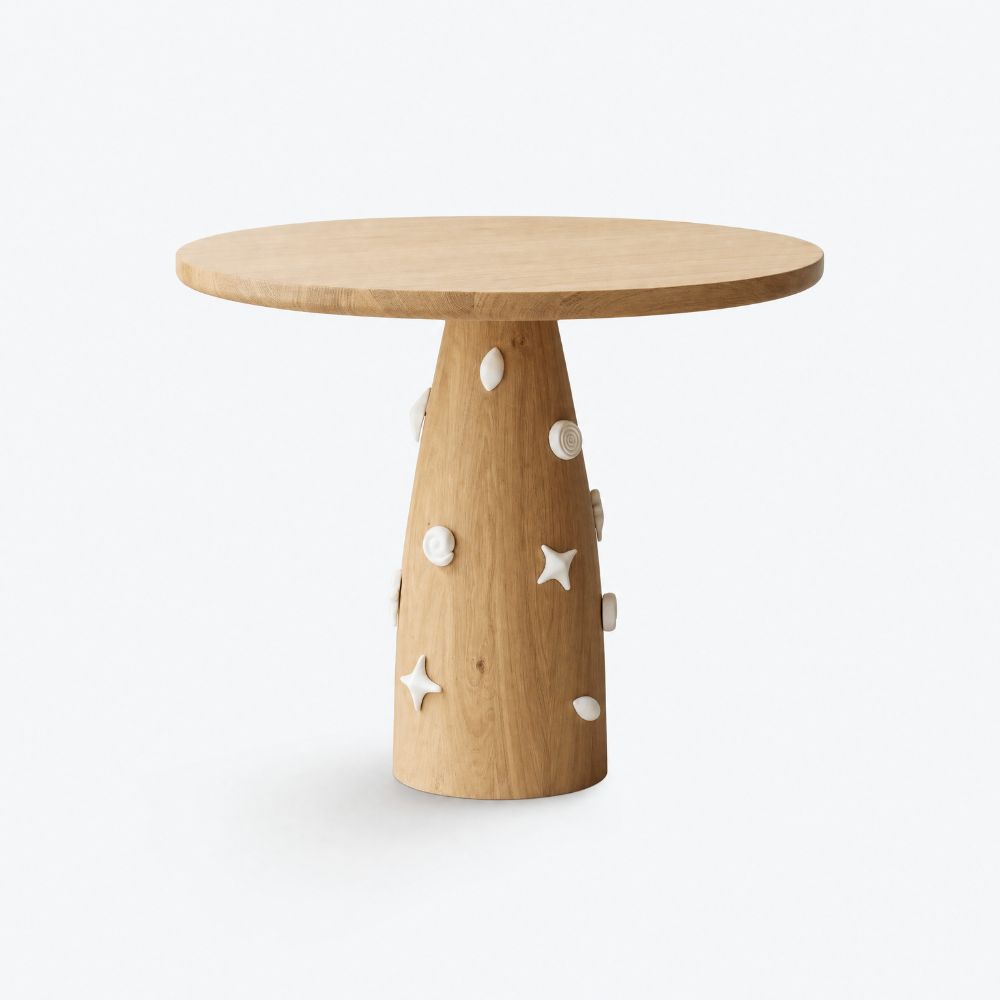
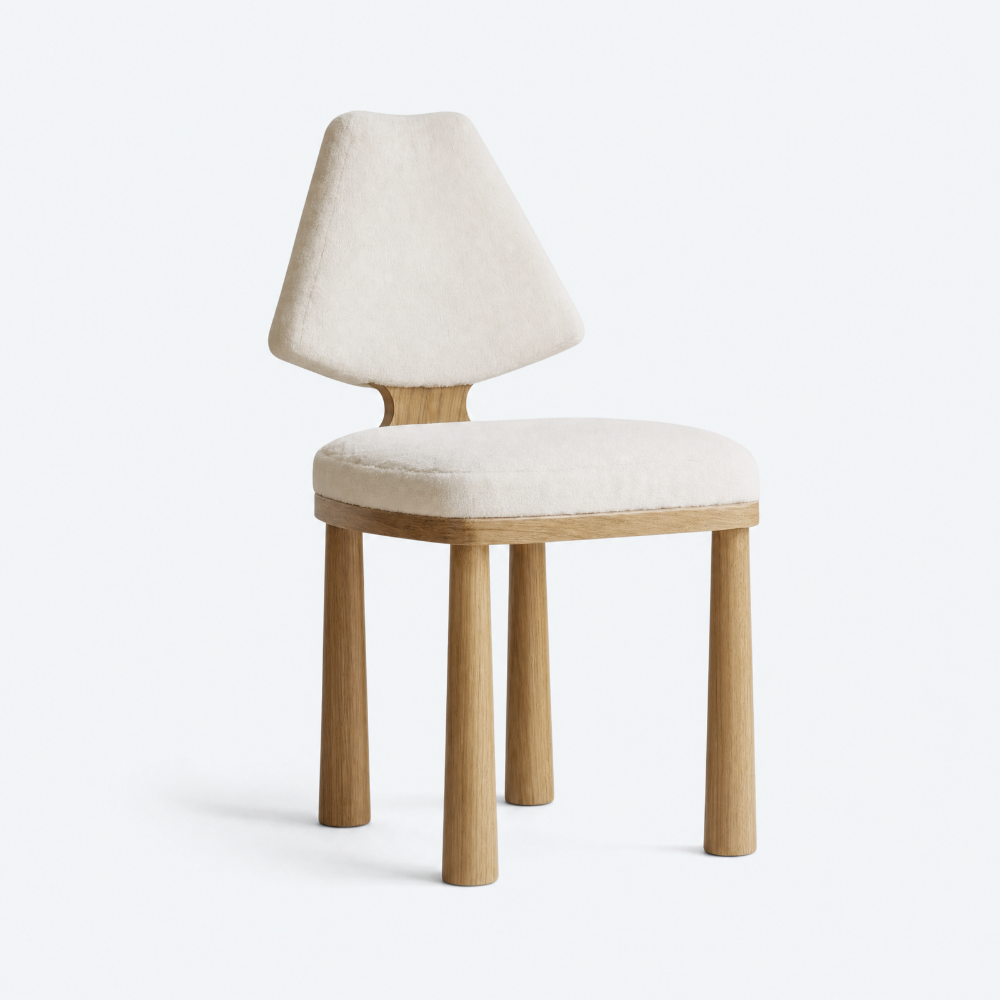
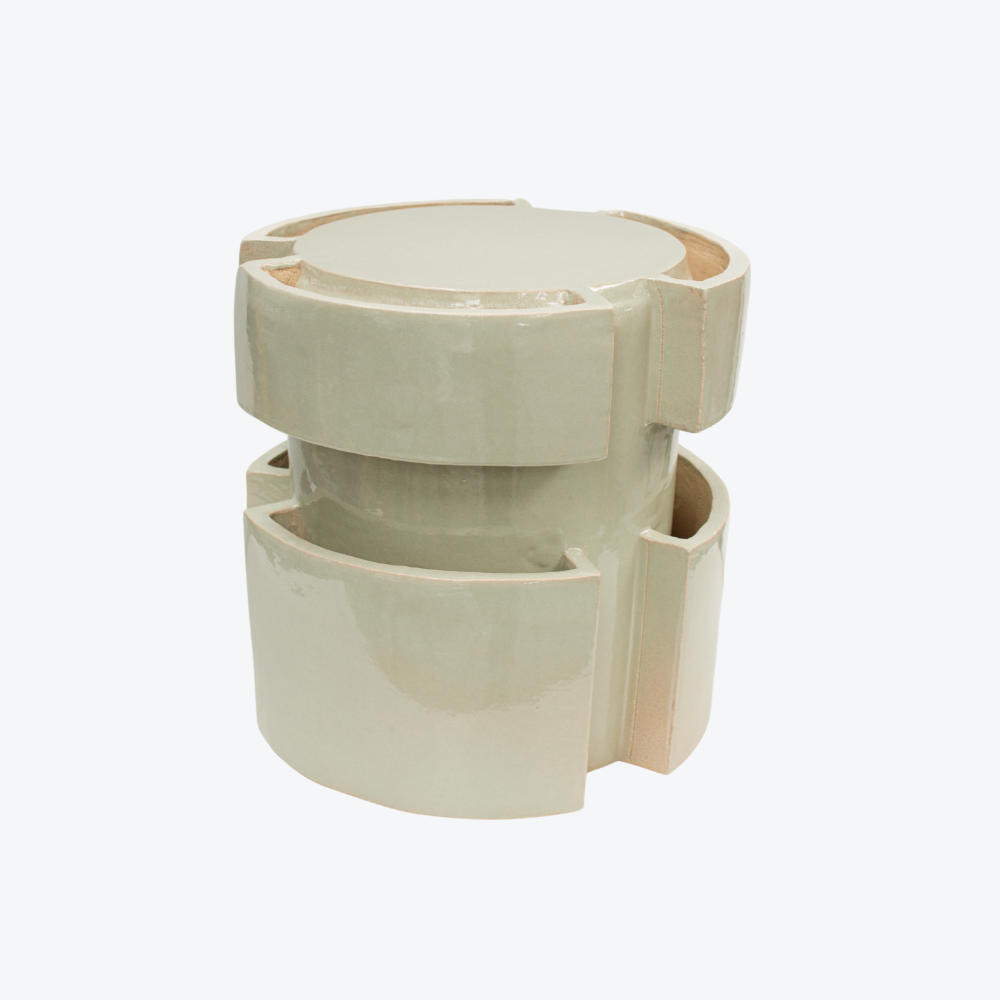
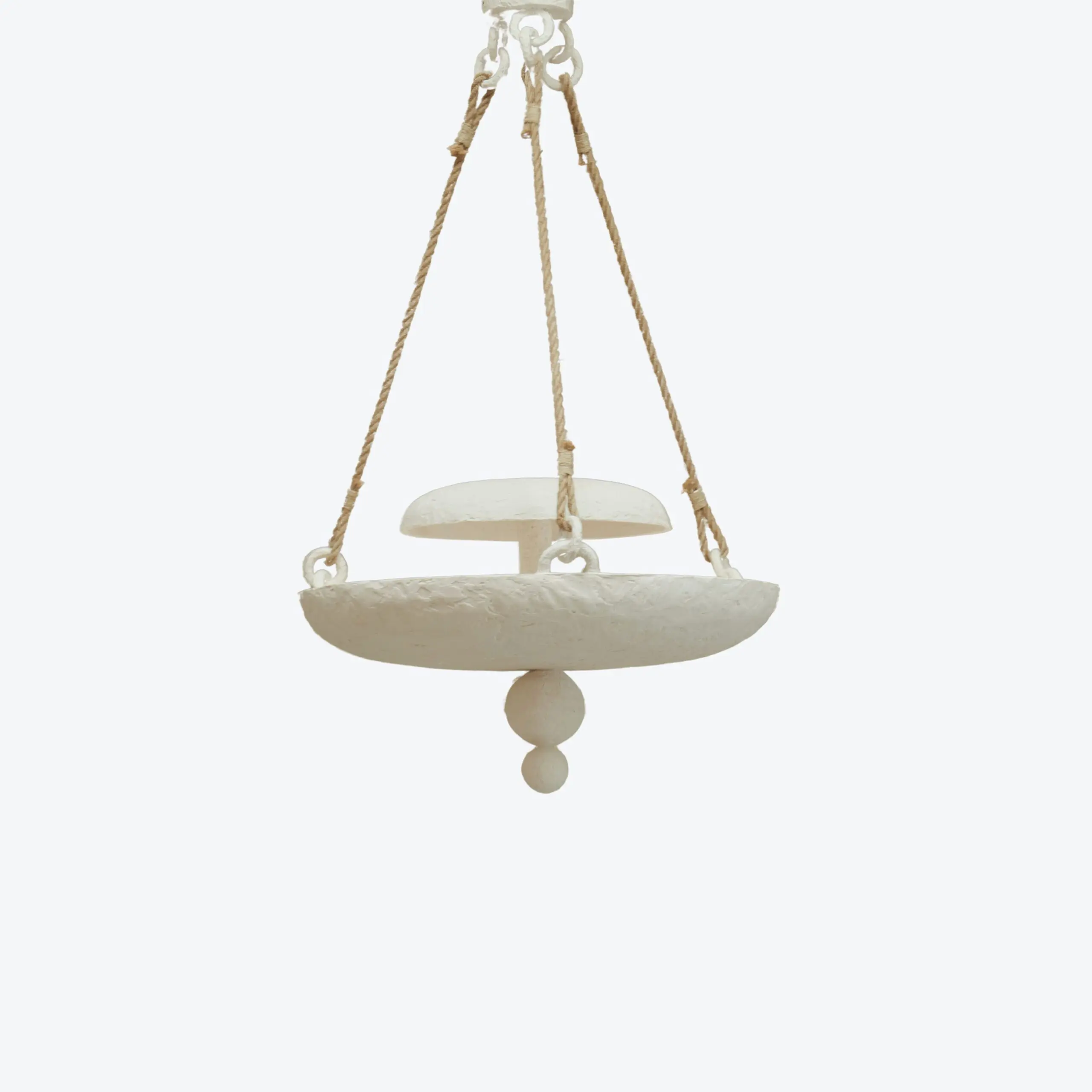
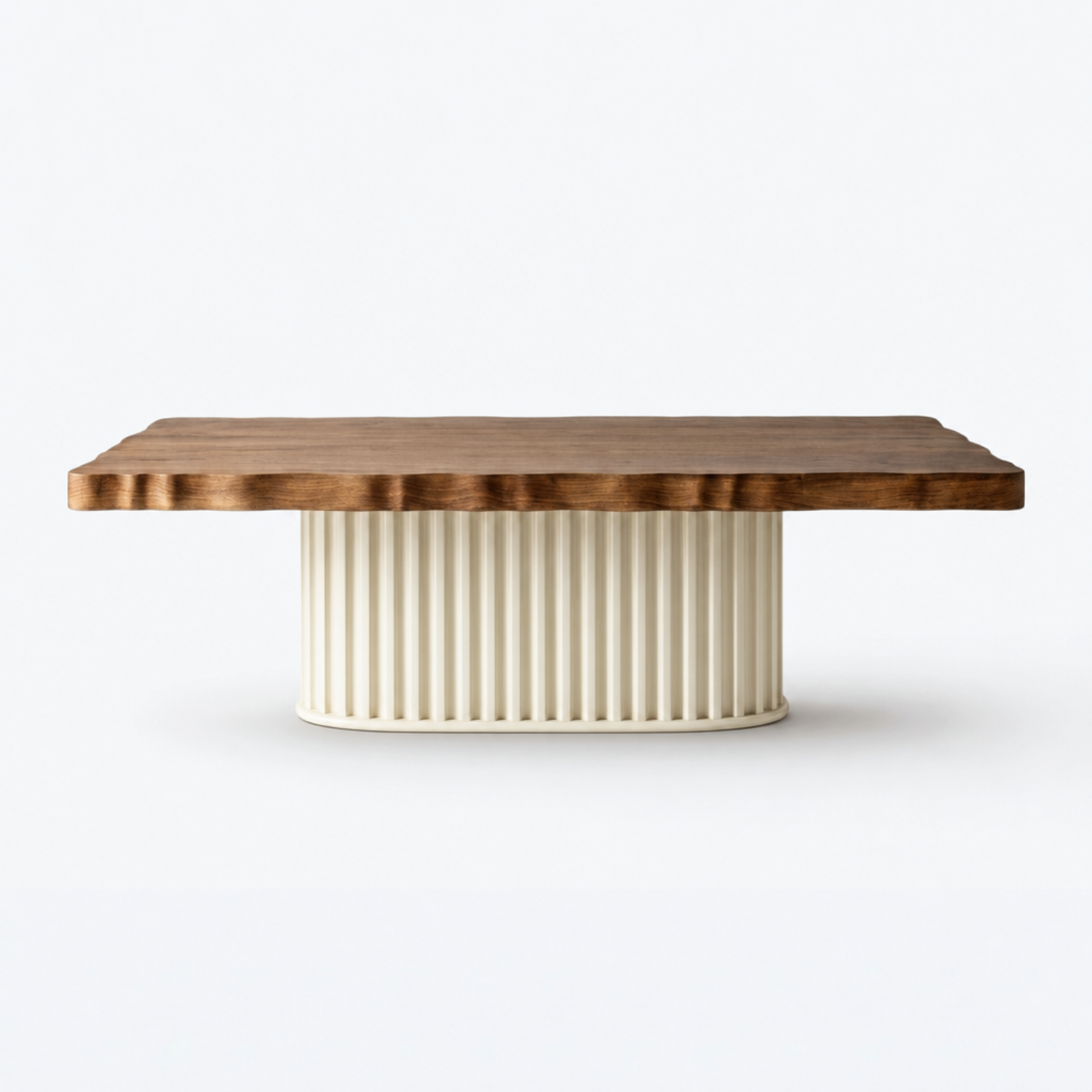
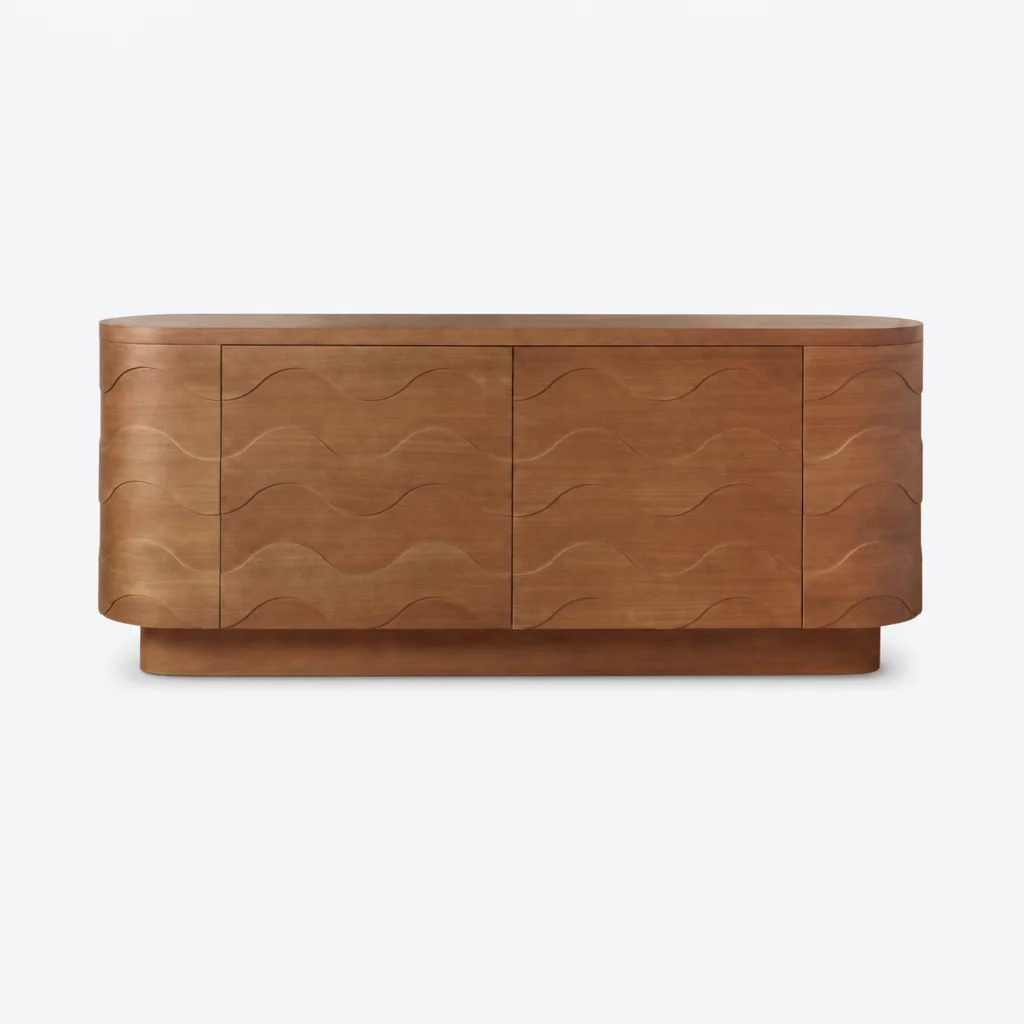
It was in this spirit that Caudwell and Invisible Collection joined forces. Working together, British philanthropist and entrepreneur John Caudwell, founder of the eponymous luxury property development group, and Isabelle Dubern Mallevays conceived the penthouse as a contemporary ensemble, with Invisible Collection acting as an ensemblier: bringing together individual designers, studios and artisans while allowing each to retain a distinct voice. More than thirty studios and ateliers are represented, in seating, lighting, rugs, tables and cabinetry across three floors. The result boasts a coherence that lies in the conversation between pieces, and in a shared understanding of proportion, craftsmanship and comfort as a constant. Some of the most eloquent voices in that conversation come directly from the past. In the ninth-floor lounge, Jean-Michel Frank’s Elephant Armchair (designed in 1939) is monumental without the slightest trace of excess. Its geometric arms, generous volume and oak structure speak of a luxury expressed through material and proportion, stripped of all ornaments. At the eighth-floor entrance, Pierre Chareau’s Nun floor lamp, brings a more experimental note: a tapered stem-like base supporting sharp pieces of alabaster that turn geometry into a soft, almost feminine, luminous presence. And in a bedroom on the tenth floor, Eileen Gray’s Transat chair, designed in 1927, makes an evocative appearance. Inspired by the deck chairs of ocean liners, it belongs to the exact year in which Le Provençal opened. Nearly a century separates its creation from the penthouse as it exists today, yet the chair could hardly feel more at home. These are not museum pieces placed in a contemporary setting for effect. They are participants in an ongoing dialogue. The designers of today answer them in their own languages, without attempting to imitate them: the differences between 1927 and now can naturally coexist.


The overall atmosphere is highly luxurious, but deliberately subdued. Elegance here never needs to raise its voice. Across the three levels there is a continuity of mood, yet no repetition of formulas: forms change, geometries shift, the character of one room gives way to another. Everything is exceptionally comfortable, even when the furniture has a strong sculptural presence. One is invited not just to admire the rooms but to live in them, to move through them, to settle into them.
At moments there is the uncanny sensation of being aboard an Art Deco yacht. Perhaps it is the contained refinement, the exactness of every detail, or the Mediterranean stretching beyond the windows. The great ocean liners, and especially the Normandie, offered another point of reference: interiors that united technical ingenuity, exceptional materials and a cultivated sense of escape. Eileen Gray’s Transat belongs naturally to this imaginary, while the sea itself becomes an essential part of the décor. The view completes the atmosphere.

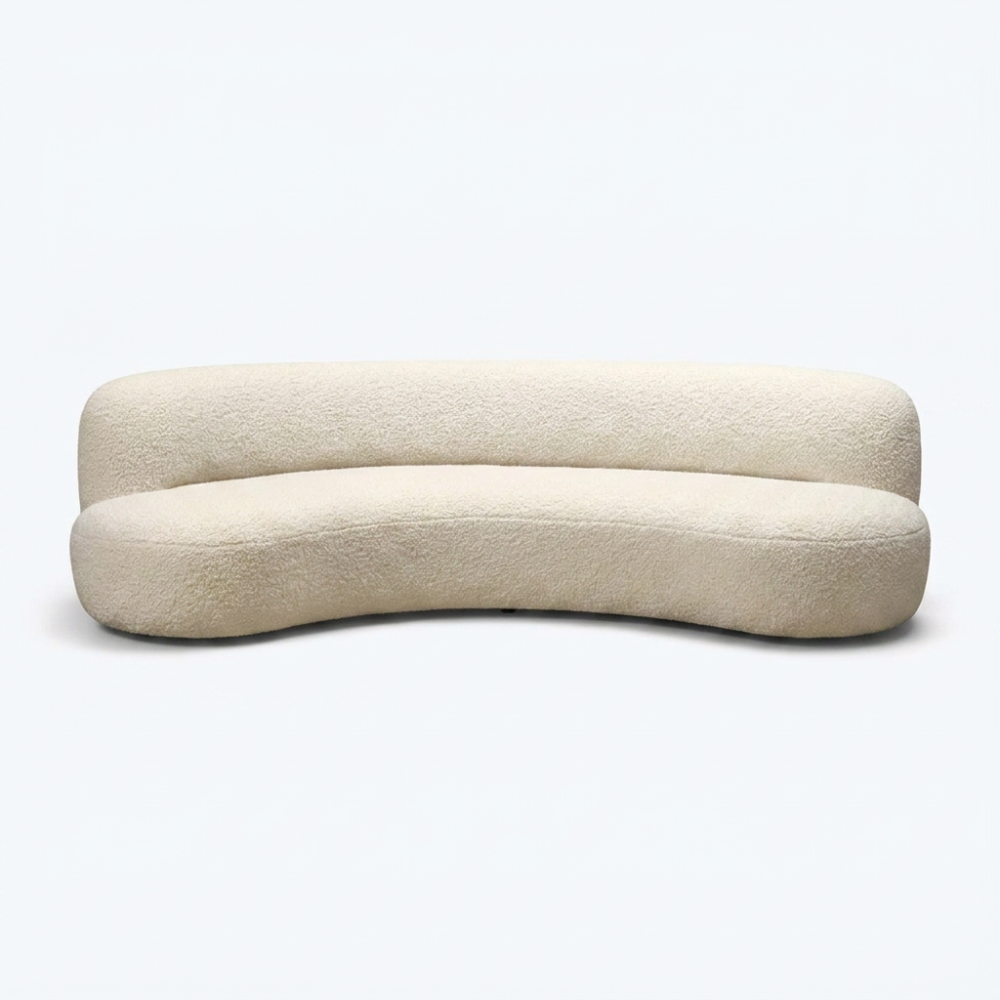
But the Riviera has never belonged to just one decade. During the sixties and early seventies, another kind of glamour had taken hold: freer, more sun-drenched, impossibly chic. It is the world immortalised by Slim Aarons, of long lunches, terraces and elegant figures appearing to have nowhere more urgent to be. One imagines Gianni Agnelli sailing past, Jackie Onassis aboard the Christina, Princess Grace moving between Monaco and Cannes. From Rome came Willy Rizzo’s distinctive vision of la dolce vita, where polished materials and glamorous silhouettes seemed designed to make hospitality an art. His Gin Bar gives that mood a tangible presence: the simple act of serving a drink turns into a small ceremony. There is theatricality, but also a remarkable ease. In this penthouse, the sensuous freedom of the 1970s is not at odds with the discipline of Art Deco; it enriches it. Perhaps nowhere is this balancing act clearer than in the seating. Of the many, elegant sofas dotting the three floors, no two are alike. Each was selected for supreme comfort, but also for the beauty of its silhouette which shapes movement through the space and becomes part of the architecture.
Damien Langlois-Meurinne’s Unforgettable Sofa is all generosity and restraint, its expansive proportions softened by lines of great purity. Pierre Augustin Rose’s Sofa 280 traces an elongated curve, combining a sense of architectural poise with an invitation to relax. Dorothée Delaye’s Zéphyr, in the cinema room, brings a different temperament: broad, enveloping and almost wave-like, with the nonchalance of the 1970s. On another floor, Charlotte Biltgen’s Ebisu Sofa offers another kind of contrast, its structured outer shell enclosing unexpected softness. Each has a distinct personality; together they give the residence its rhythm.


This is the essential pleasure of Penthouse Nacre. Nothing feels predetermined by a single period, a single signature or a single idea of what luxury should look like. Historic masterpieces stand beside contemporary creations; the intimacy of a private villa meets the expansive romance of an ocean liner; French decorative culture is inflected with the cosmopolitan glamour that has always belonged to the Riviera. History, after all, is never really finished. At Le Provençal, it continues not through nostalgia, but through the choices of designers and artisans who know that the most enduring form of elegance is one that can be lived in, and lived with, today.