During one of her seminal lectures, artist Anni Albers reflected on the overlap between utility and art in textiles as much as in architecture, observing: “We use a house as much as we use a fabric. Usefulness does not prevent a thing—anything—from being art. It is the thoughtfulness, care, and sensitivity in regard to form that makes a house or a fabric turn into art, and it is this degree of thoughtfulness, care, and sensitivity that we should try to achieve.”
With this in mind, we turn to Dedar and its artfully crafted fabrics, and to the way they dress and transform our favourite designs. Textiles have always held a singular power in interior design. More than a finishing touch, they shape atmosphere, bring depth, and give furniture its emotional resonance. When thoughtfully chosen, fabric has the ability to transform an object—elevating it from functional to expressive, from beautiful to meaningful. It is precisely this shared understanding that lies at the heart of the ongoing collaboration between Invisible Collection and Dedar.
Rooted in Italy’s rich textile heritage, Dedar has long been celebrated for its ability to balance craftsmanship with innovation. Founded in 1976 by Elda and Nicola Fabrizio on the shores of Lake Como, the family-run textile house has built its reputation on exceptional quality, artistic curiosity, and an unmistakably contemporary sensibility. Working with master artisans and textile specialists, Dedar creates fabrics for curtains, wall coverings, and upholstery that feel both timeless and boldly modern. Today, under the direction of the next generation—siblings Caterina and Raffaele Fabrizio—the brand continues to push boundaries, investing in fibre technology research and integrating responsible practices across every stage of production. For Invisible Collection, whose mission has always been to champion iconic design and exceptional craftsmanship, Dedar was a natural partner. The collaboration began with Dressed in Dedar, an exhibition that highlighted the transformative power of textiles when paired with distinctive furniture designs. Rather than simply upholstering pieces, the project explored a more nuanced idea: that fabric and form engage in a dialogue, each enhancing the other’s personality and presence.

This creative conversation was renewed during Paris Design Week 2024 with a new presentation set against the historic backdrop of Féau Boiseries. Here, furniture pieces dressed in Dedar textiles were accompanied by Fil Blanc, an installation conceived by Dedar as both a poetic gesture and a conceptual anchor. Inspired by the idea of fil rouge—the guiding thread—Fil Blanc unfolded through the labyrinthine salons as a delicate network of threads and fabrics, subtly linking spaces, objects, and ideas. Created using 500 metres of thread drawn from Dedar’s White Writings collection, the installation explored the infinite nuances of white. Wool, silk, and linen appeared in distinct tonal variations, proving that even within a restrained palette, richness and complexity abound. The project drew inspiration from Italian artist Maria Lai’s seminal 1981 work Legarsi alla Montagna, in which fabric became a means of connection—between people, places, and memory. This artistic reference speaks volumes about Dedar’s approach, where textiles are never purely decorative but always imbued with cultural and emotional depth.
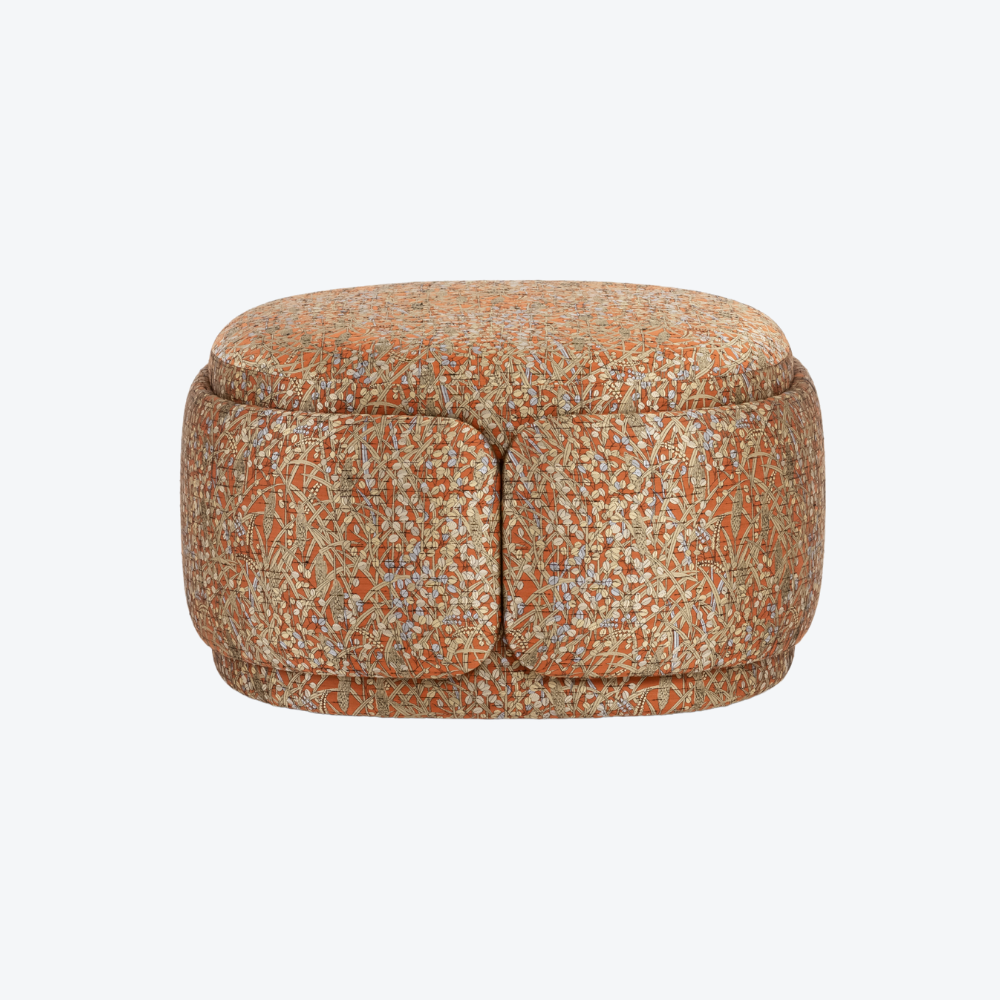
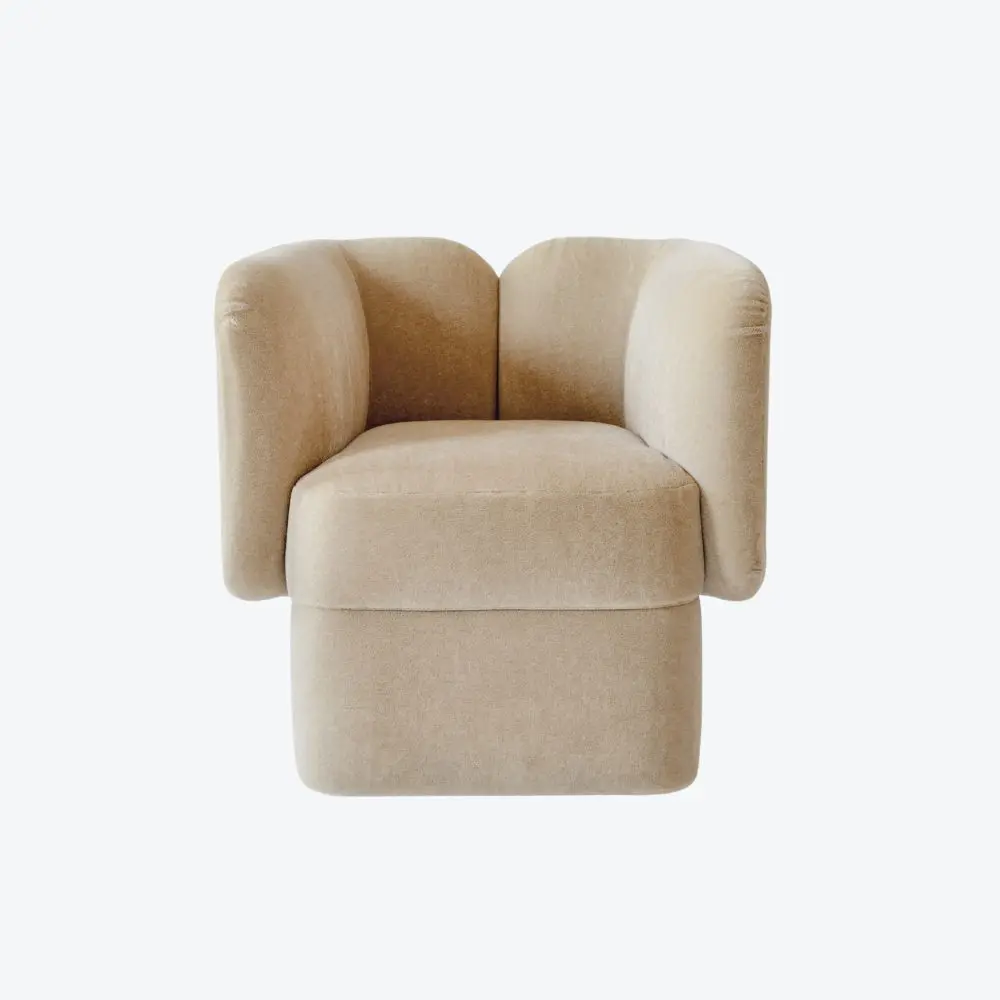
At the same time, the collaboration remains firmly grounded in design. Dedar’s fabrics—ranging from refined jacquards and tactile bouclés to sumptuous velvets—bring new dimensions to Invisible Collection’s iconic pieces. Whether rendered in crisp whites, warm earthy tones, or richly patterned surfaces, the textiles redefine silhouettes, highlight proportions, and invite touch. The result is a series of objects that feel both familiar and newly expressive, dressed in materials that enhance their character without overpowering their identity. What makes this partnership particularly compelling is the shared philosophy that unites both brands. At Dedar, artistic references—from modern masters to contemporary creators—inform every collection, while technical excellence ensures durability and performance. At Invisible Collection, design is always about balance: between creativity and craftsmanship, heritage and innovation. Together, they approach each piece as a carefully considered composition, where every choice—from fibre to form—matters.

Beyond aesthetics, the collaboration also reflects a commitment to thoughtful production. Dedar’s integration of sustainable practices and ongoing research into fibre technology align seamlessly with Invisible Collection’s emphasis on longevity and quality. These are pieces designed not for fleeting trends, but for lasting interiors—objects meant to be lived with, appreciated, and passed on. Ultimately, the Invisible Collection × Dedar collaboration is less about individual products than about a shared vision. It celebrates the idea that textiles are storytellers, capable of transforming spaces and shaping experiences. It affirms that design is at its most powerful when disciplines intersect—when furniture, fabric, art, and architecture come together in harmony.
Following this thread, one discovers not only beautifully dressed designs, but a deeper narrative: one of craftsmanship, artistic dialogue, and a mutual pursuit of elegance, beautifully done.