Jacques Doucet: The First Modern Collector

Stories News Jacques Doucet: The First Modern Collector

Couturier. Aesthete. Patron of the Arts. His life – and lifestyle – inspired many, including Yves Saint Laurent and Karl Lagerfeld. Now his legacy lives on through a line of bespoke furniture exclusive to Invisible Collection.

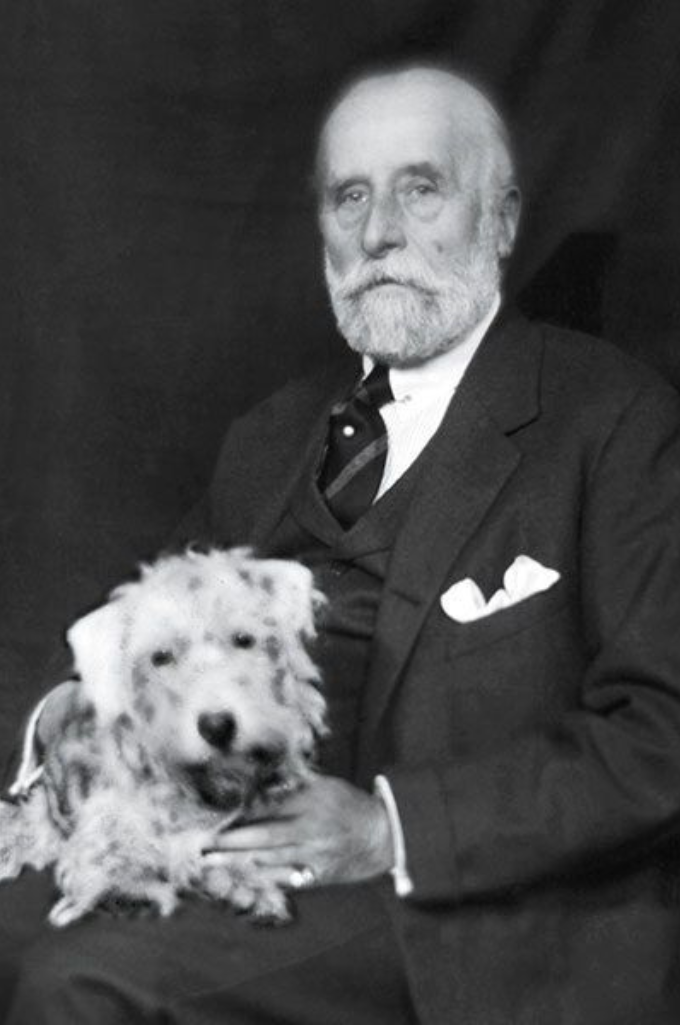
In the elegant corridors of French art history, few names resonate with as much depth and mystique as Jacques Doucet. Known for his boundary-pushing taste and refined aesthetic, Doucet was a visionary who profoundly impacted both haute couture and the world of art and collectible design. Doucet‘s remarkable salons, filled with masterpieces and one-of-a-kind furniture, served as spaces where art, culture, and society converged. Born in 1853 into a family with a flourishing lingerie and couture business, Jacques Doucet had access to the finest materials and creative inspiration from a young age. His path to becoming a cultural icon began when he took over the family business, Maison Doucet, transforming it into one of the most celebrated couture houses of the late 19th and early 20th centuries. Originally purveyors of fine fabrics and lace, the Doucet family soon expanded their offerings, producing bespoke shirts for royals and heads of state, including French Emperor Napoléon III. In 1875, Jacques Doucet—the grandson of the house’s founder—joined the family business, quickly elevating it to legendary status in Paris’s elite circles. Doucet’s couture salon specialised in evening and ball gowns, attracting the most celebrated women of the Belle Époque. Figures like Sarah Bernhardt, Cécile Sorel, Eleonora Duse, Carrie Astor, Consuelo Vanderbilt, and Edith Wharton became loyal patrons, drawn to Doucet’s delicate yet opulent creations. Known for garments that evoked 18th-century grace, Doucet was seen as an “interpreter of a concept of femininity that is fragile, fluid, and infinitely sophisticated.” Although he was not known for inventing new forms, Doucet redefined elegance through designs that captured the fragility and romance of an idealised past.
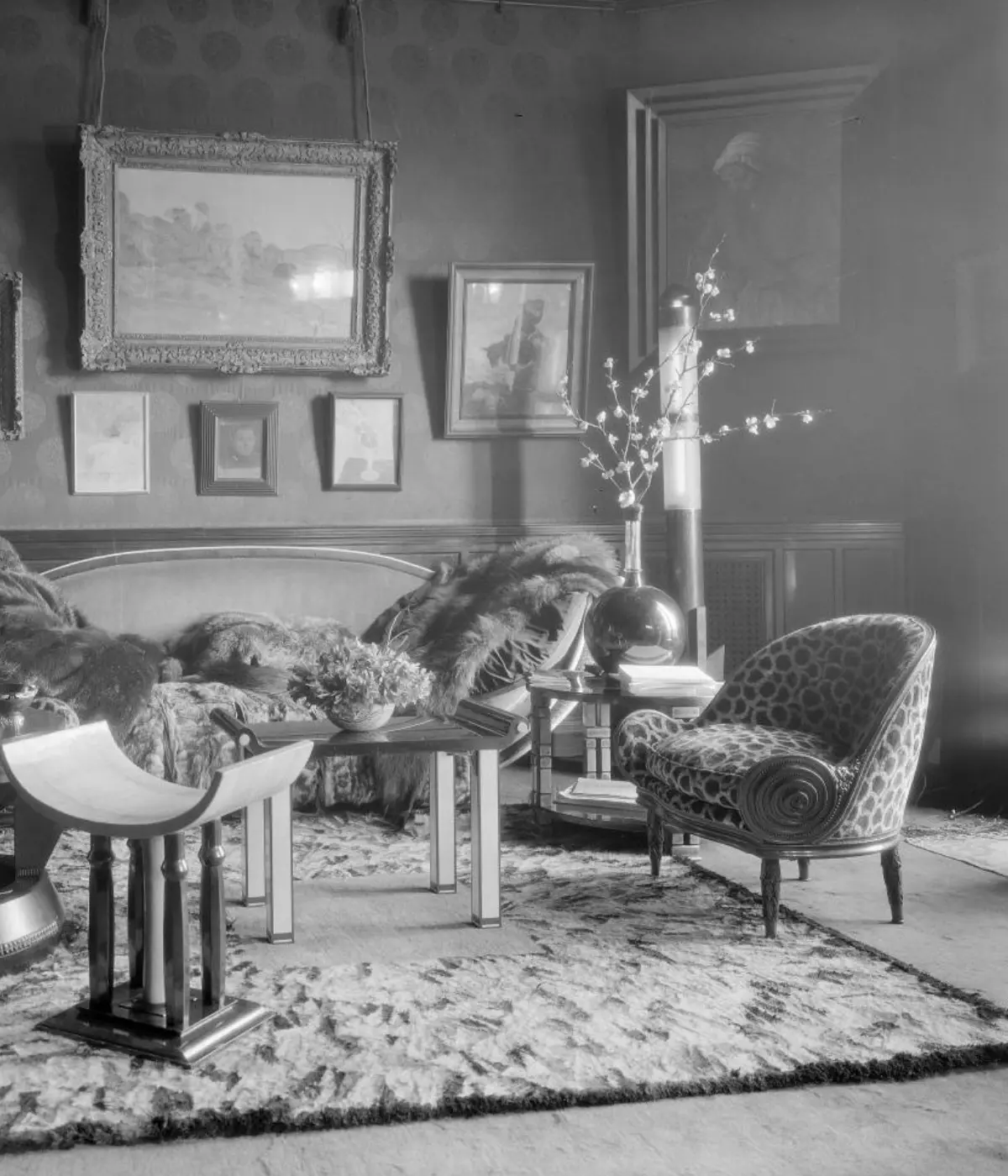
Beyond fashion, Doucet‘s insatiable curiosity and artful eye placed him at the heart of Paris’s cultural scene. He was not merely a couturier; he was a man of diverse passions and wide-reaching influence. Doucet maintained friendships with leading avant-garde figures, befriending artists and poets who would come to define early 20th-century modernism. He was among the first collectors to recognise the groundbreaking genius of Pablo Picasso, famously acquiring Les Demoiselles d’Avignon in 1924. Other acquisitions included works by Klee and Duchamp, further underscoring his visionary taste. Doucet also supported designers such as Eileen Gray, Pierre Legrain, and Paul Iribe, who brought a modern touch to his residences and echoed his passion for merging classic and avant-garde aesthetics. These friendships extended beyond the visual arts; Doucet developed close relationships with Surrealist poets like André Breton and Louis Aragon. Breton, in particular, became a trusted advisor on Doucet’s collection of contemporary art and rare books, cementing the couturier’s place as a true patron of the modernist movement. Doucet’s cultural interests spanned many centuries, he was an obsessive collector, meticulously curating rare books, 18th-century furniture, and antiques that captured his eclectic and sophisticated taste. His hôtel particulier on Rue Spontini in Paris, was treated like a private museum—a sanctuary of exquisite taste that bridged centuries of art and design. Within these walls, visitors could admire masterpieces by Watteau, de la Tour, and Fragonard, surrounded by exquisitely crafted furniture and hundreds of thousands of rare books. The salons of Rue Spontini became the ultimate destination for artists, intellectuals, and collectors. Doucet curated these spaces with an almost theatrical sensibility, hosting soirées where luminaries of the day mingled amid an environment that blended historical elegance with the cutting edge. With the help of curators and designers, Doucet cultivated his persona as a visionary aesthete, carefully orchestrating his image as both a cultural force and a tastemaker.
Yet, in 1912, Doucet made a dramatic decision that would shape the course of his legacy: he held a monumental auction, parting with his first great collection of art, furniture, and books. The sale, dubbed “the sale of the century,” drew international attention, with wealthy American buyers outbidding Europeans to acquire these treasures. Rumor has it that heartbreak led Doucet to part with this renowned collection, but whatever the reason, he used the proceeds to fund an entirely new collection that was more progressive, reflecting the dynamic spirit of the early 20th century.
With the acquisition of his new home – Studio Saint James in Neuilly – Doucet moved on from the baroque opulence of Rue Spontini to a space that embraced the avant-garde. Studio Saint James became his new residence and gallery, where he showcased his forward-thinking collection, including contemporary art and custom-made furniture that encapsulated his love of modernism. Working closely with Pierre Legrain, Eileen Gray, and Paul Iribe, Doucet designed a home that was at once modern and timeless, seamlessly blending arts décoratifs with avant-garde sensibilities.
The pieces crafted for Studio Saint James were groundbreaking, fusing unconventional materials with daring forms that spoke to Doucet’s visionary taste. His patronage allowed designers like Gray and Legrain to push their creative limits, resulting in works that remain iconic today. The space became a living testament to Doucet’s unique ability to embrace both the past and the future, setting a new standard for 20th-century interiors.

Doucet’s passion for collecting extended beyond design and visual art to the world of literature. His legendary book collection dedicated to art history comprised 1.4 million volumes and documents, which still today form the foundation of the art history archives at the Bibliothèque Nationale de France, benefiting scholars from across the globe. On the advice of Surrealist poets André Breton and Louis Aragon, Doucet began acquiring rare manuscripts and first editions by literary giants such as Baudelaire and Apollinaire. These meticulously curated volumes reflected his belief in the written word as a powerful art form. Significant portions of his collection are preserved today in the Bibliothèque littéraire Jacques Doucet in Paris. His dedication to the literary arts left a lasting impact on cultural preservation and academic study, securing his legacy as a pivotal figure in both art and literature. His influence continued long after his death in 1929, inspiring designers and tastemakers like Yves Saint Laurent, Pierre Bergé, and Karl Lagerfeld, who revered Doucet’s aesthetic and lifestyle.
In recent years, exhibitions such as “Vivre pour l’art: Jacques Doucet / Yves Saint Laurent” (2015) and “Doucet et Camondo: une passion pour le XVIIIe siècle” (2023) have paid tribute to Doucet’s legacy, highlighting his enduring impact on art and fashion. His sophisticated taste, dedication to the avant-garde, and unmatched cultural influence have made him a figure whose genius continues to inspire.
Despite his legendary influence, the dream of a major retrospective showcasing Doucet’s life and work remains challenging. “Doucet had the bad idea of collecting only masterpieces,” noted one curator, lamenting that Doucet’s most significant pieces, now scattered in private collections worldwide, may never be gathered in a single exhibition. Yet, even in the absence of a comprehensive exhibit, Doucet’s spirit lives on in the rare pieces preserved in private collections and museums.
Doucet‘s legacy, defined by his love of beauty, innovation, and meticulous curation, serves as a reminder of the transformative power of art and design. His life was a masterclass in bridging past and future, a pursuit of timeless elegance that continues to captivate and inspire. In every sense, Jacques Doucet was a pioneer—an architect of style, a patron of the avant-garde, and a true visionary whose influence transcends time.
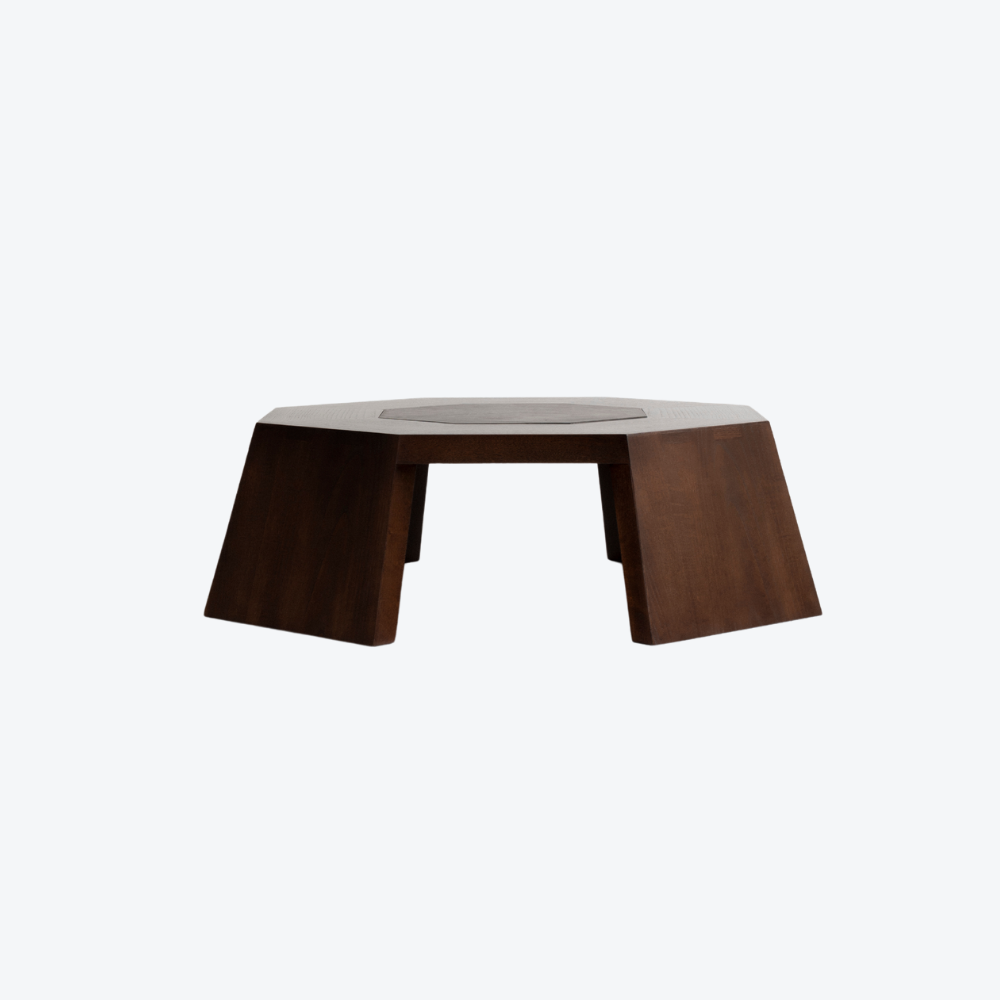
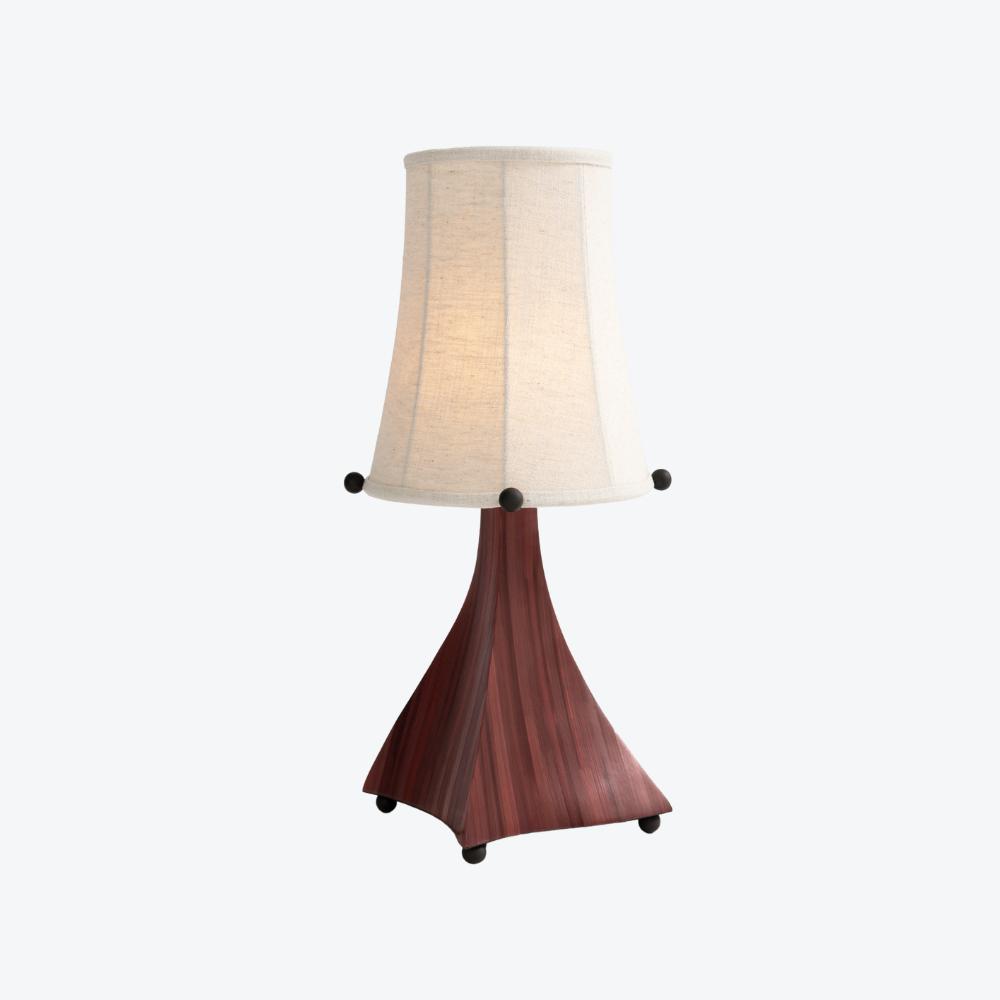
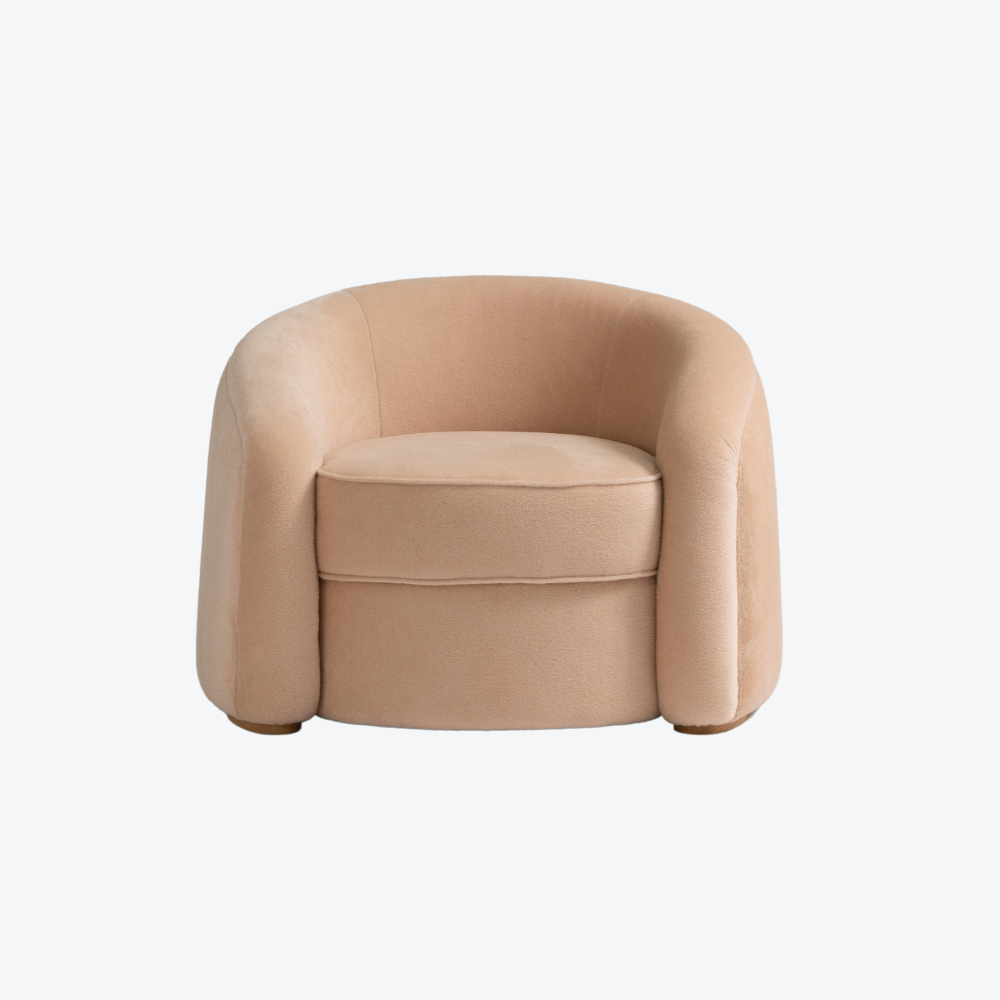
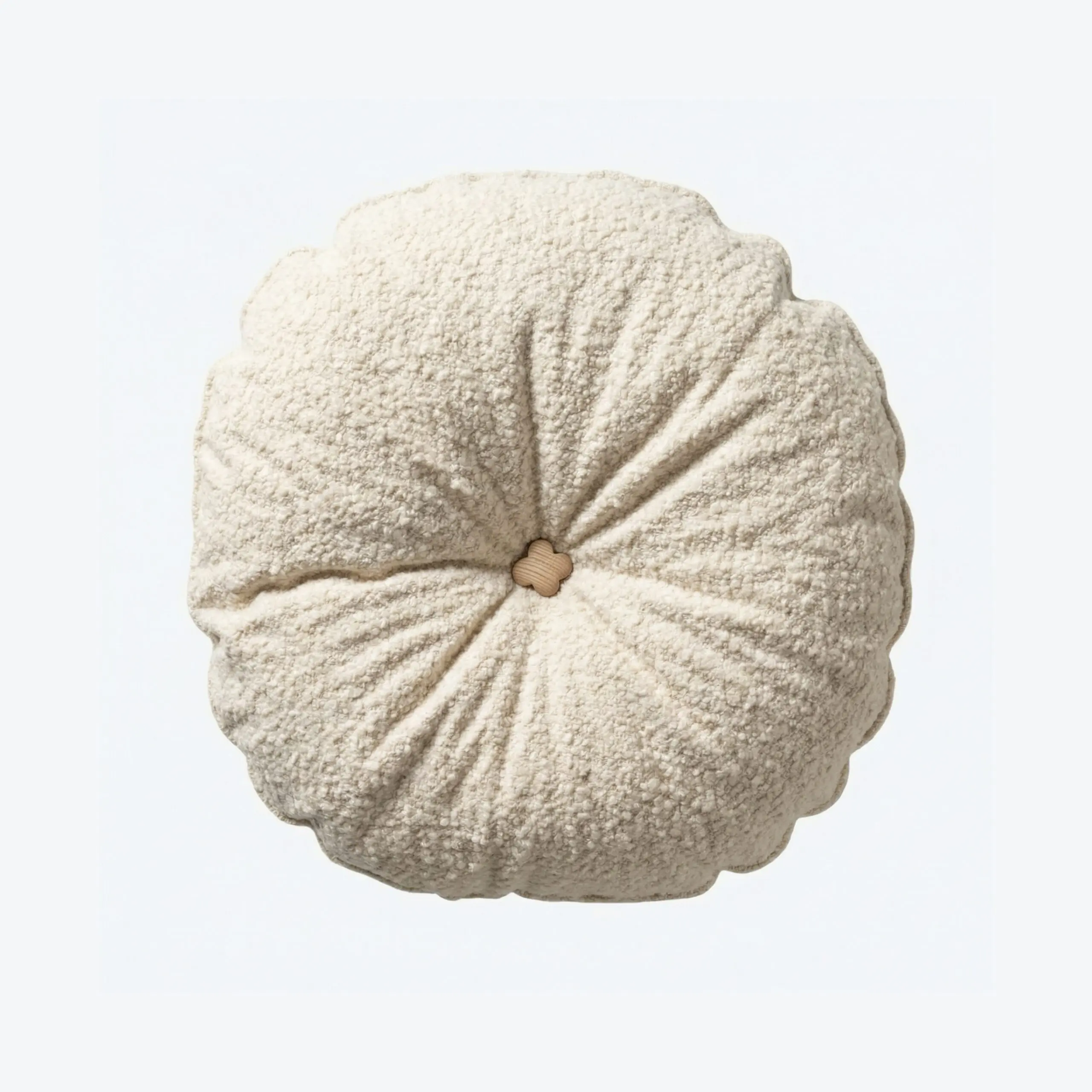
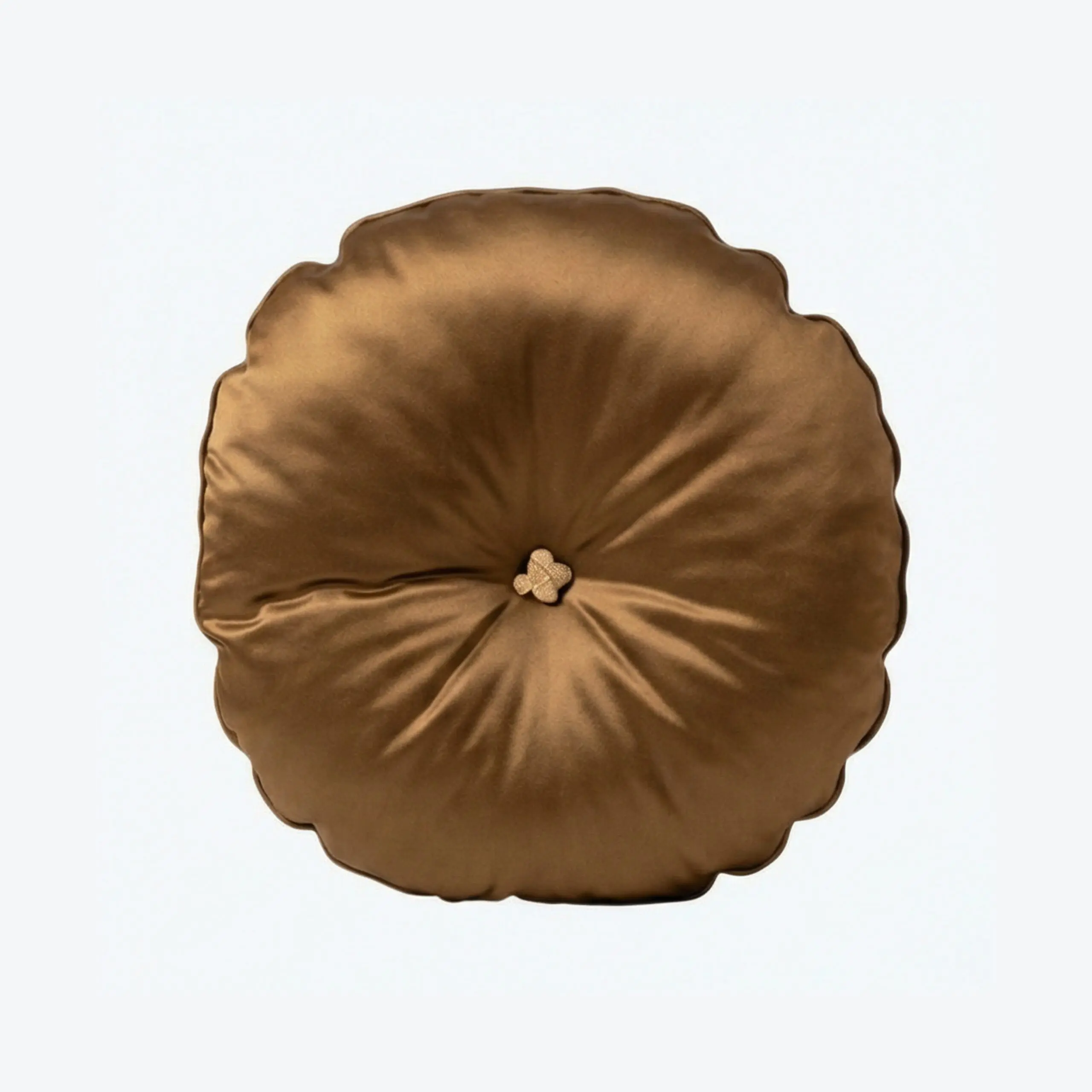
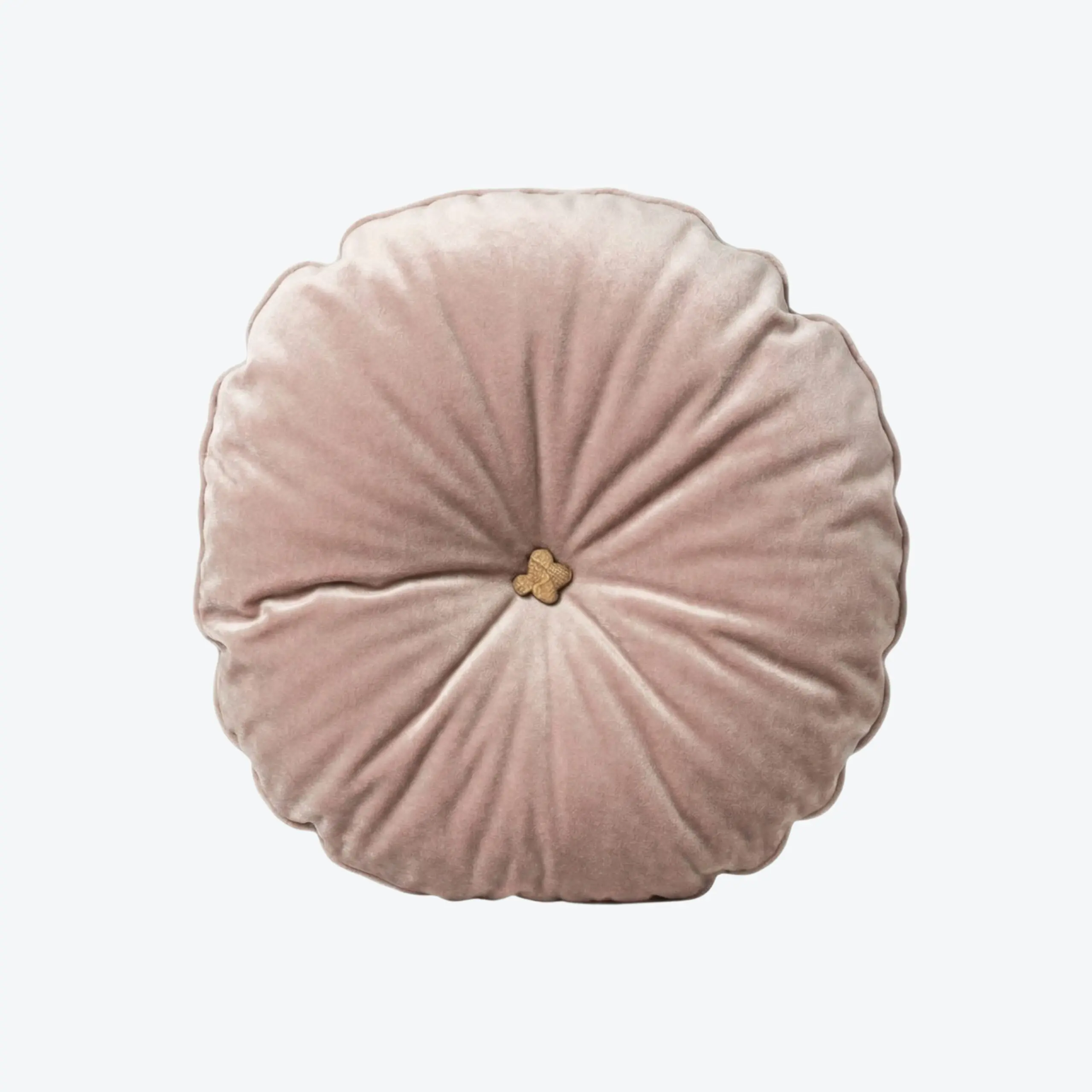
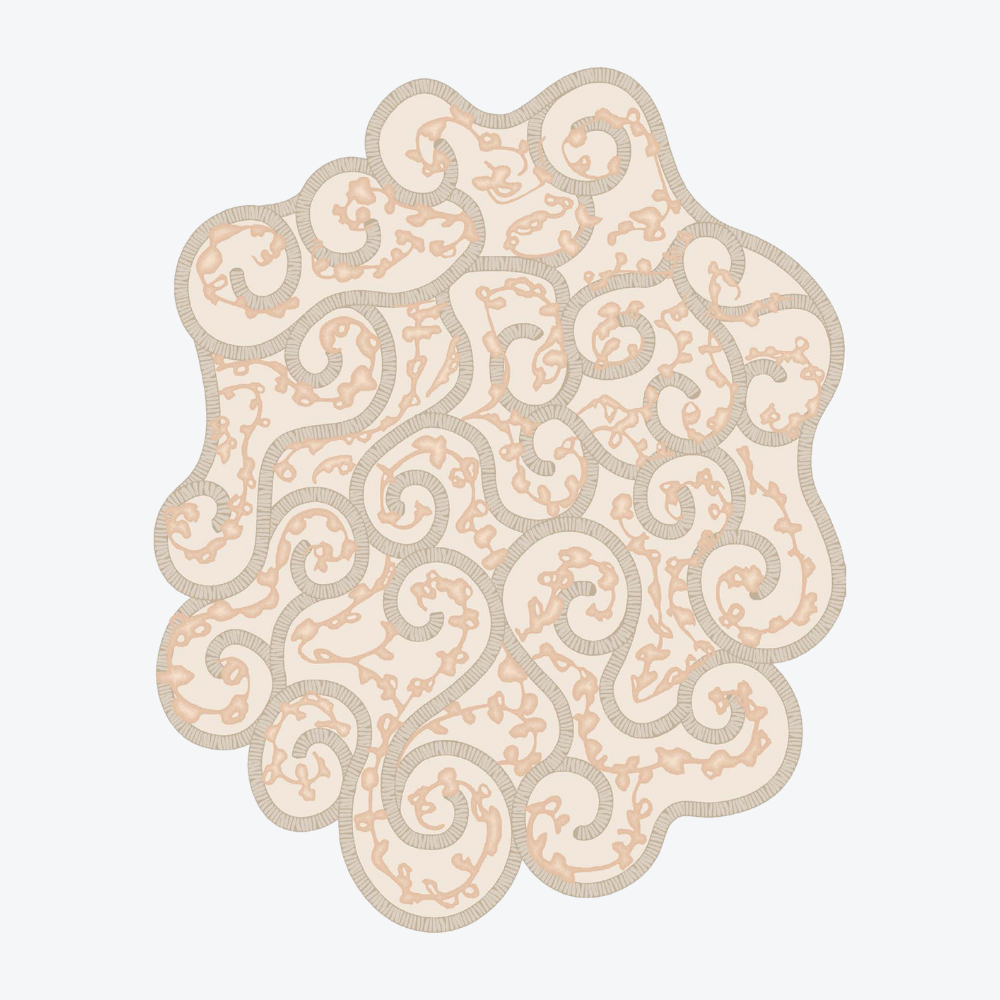
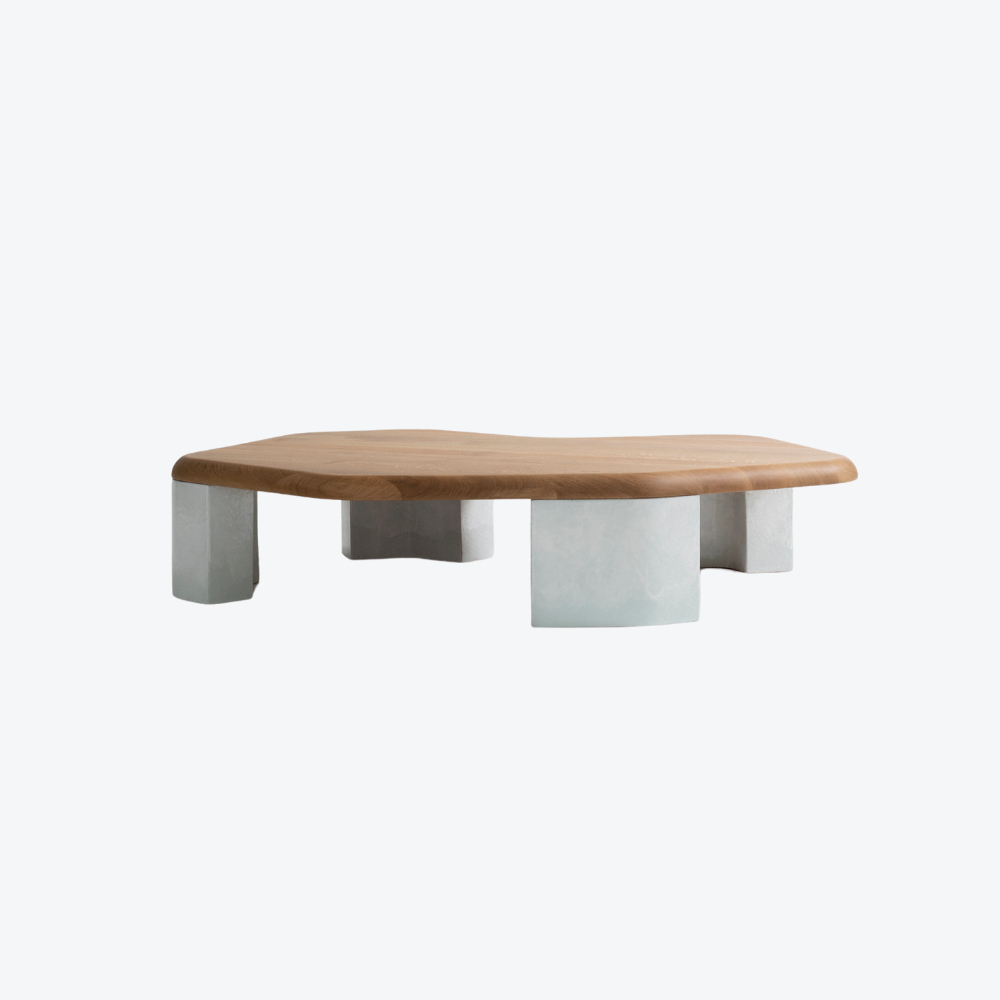
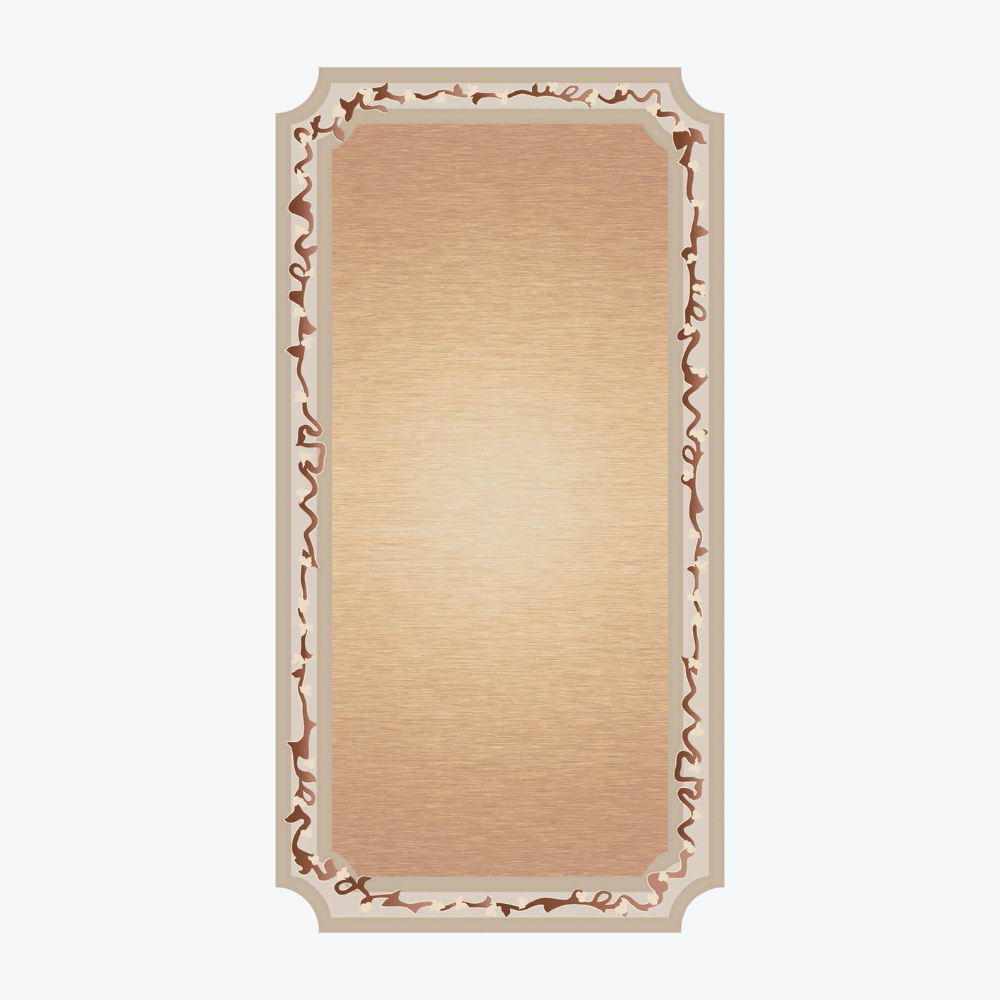
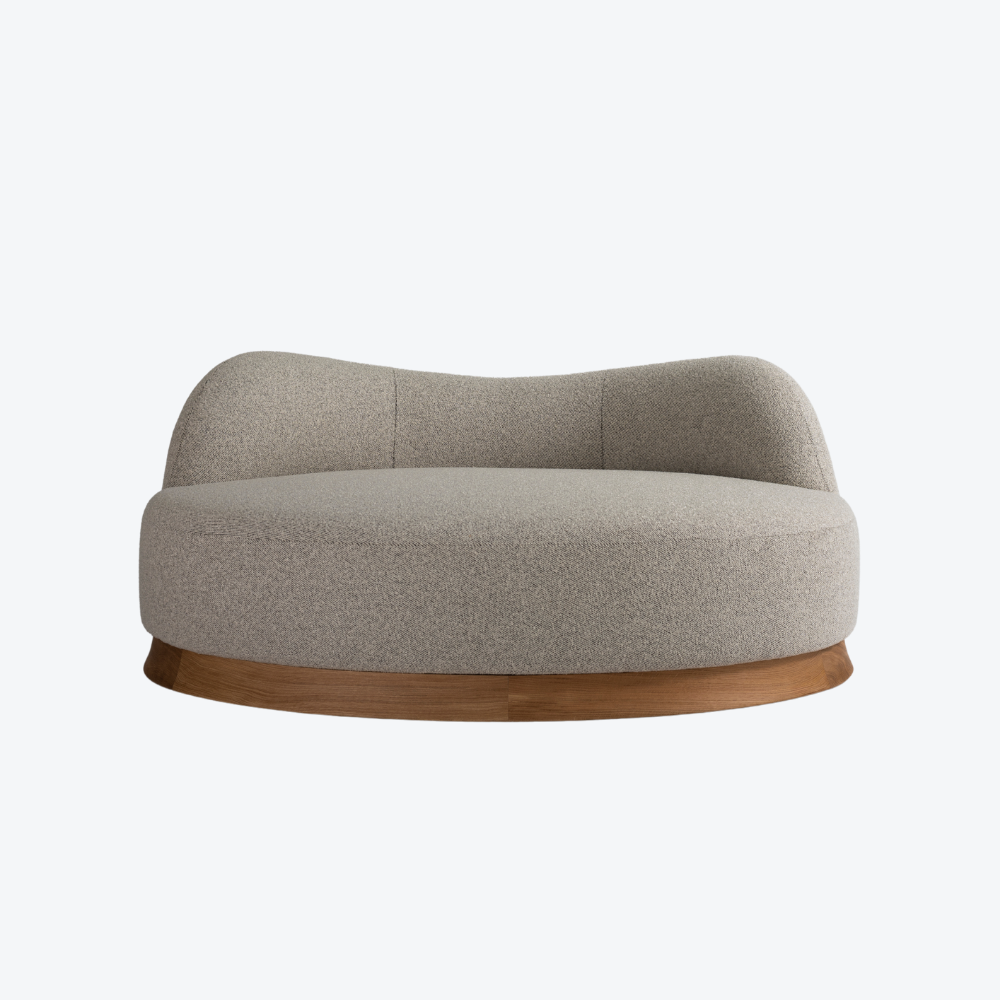
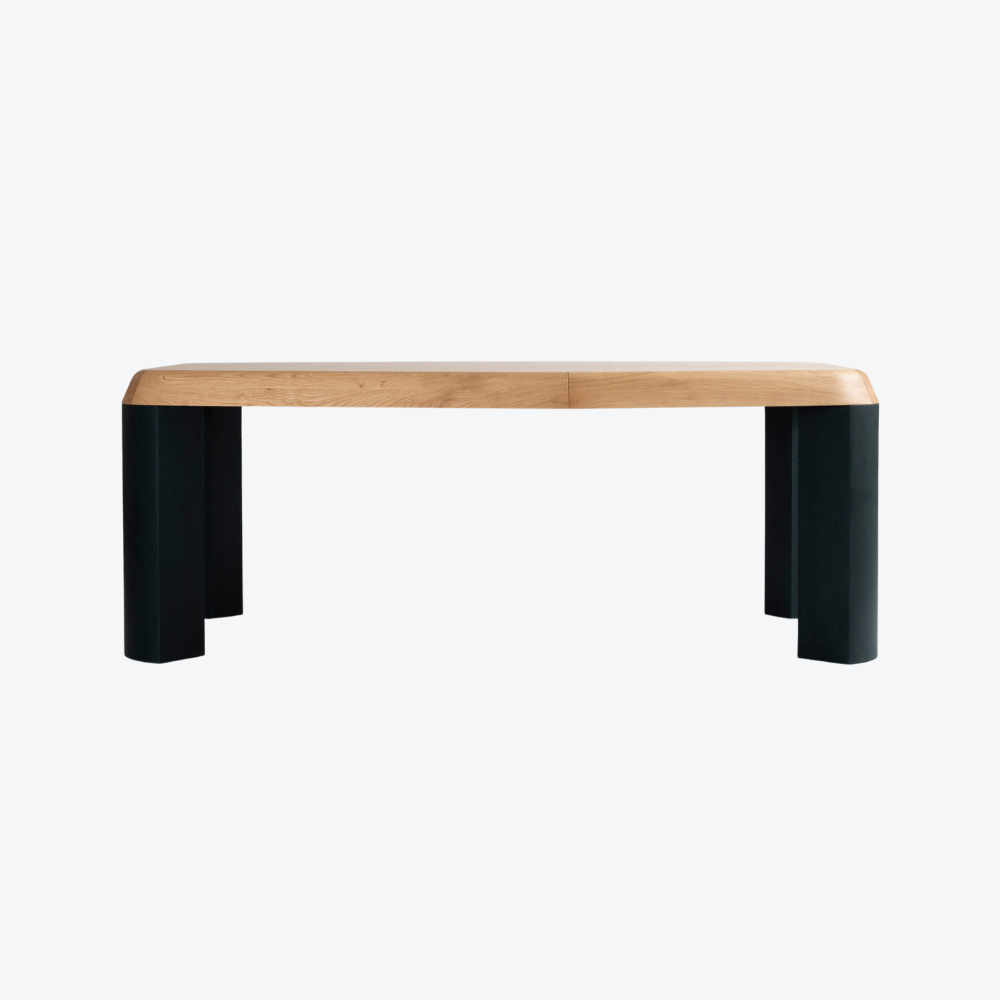
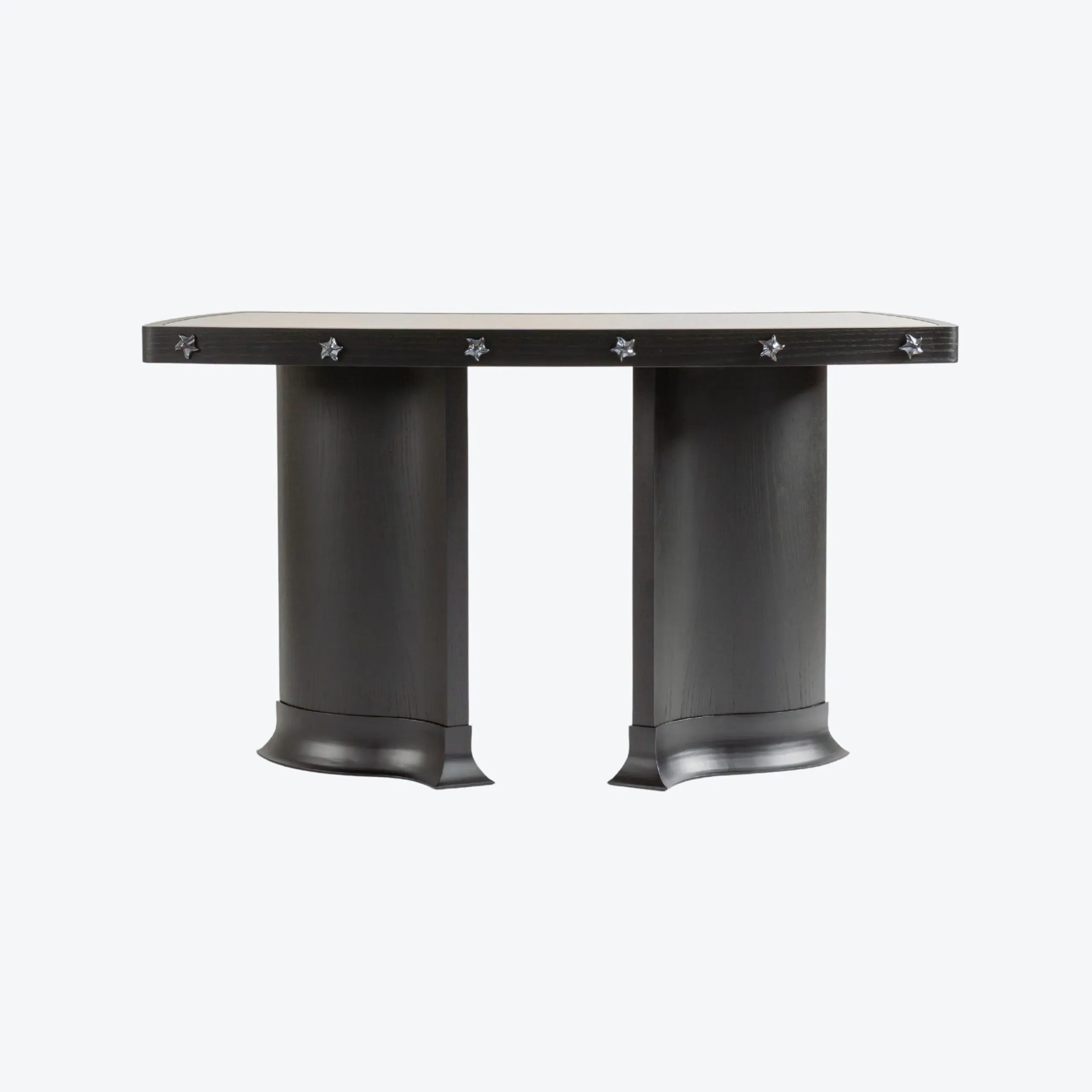
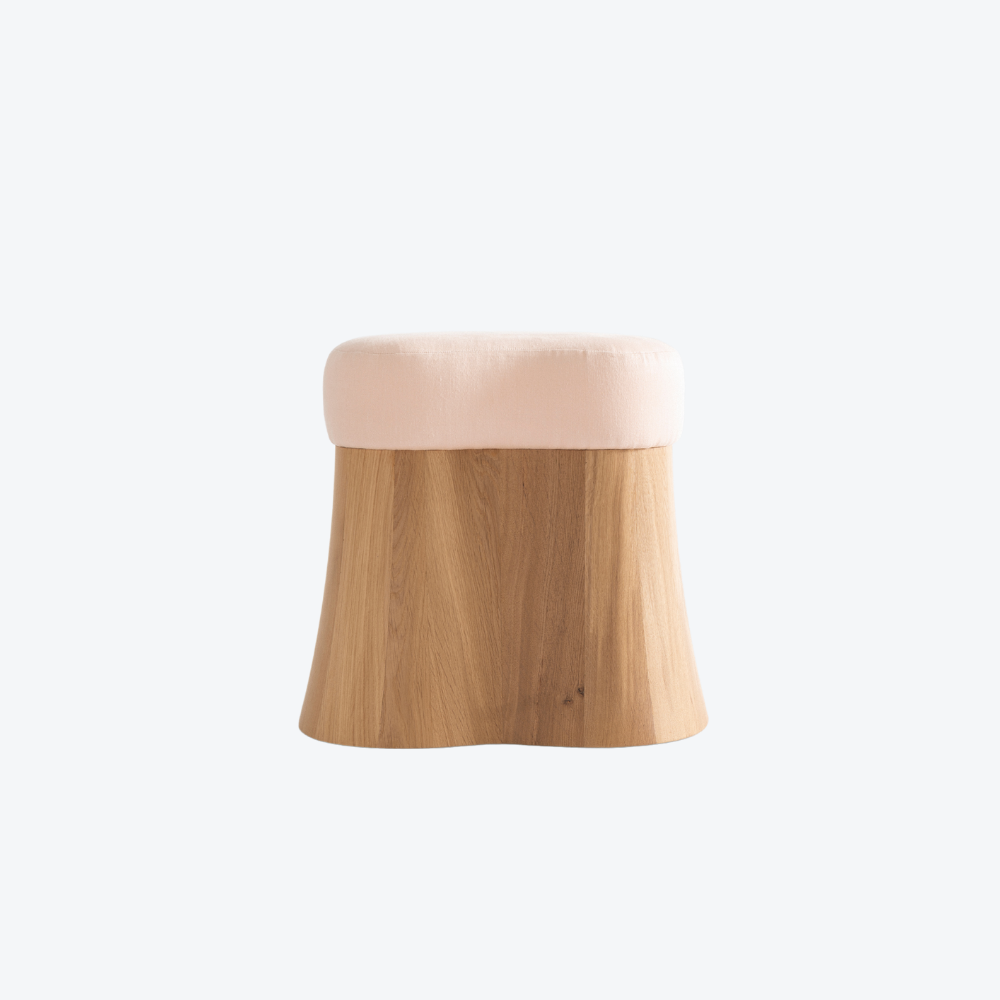
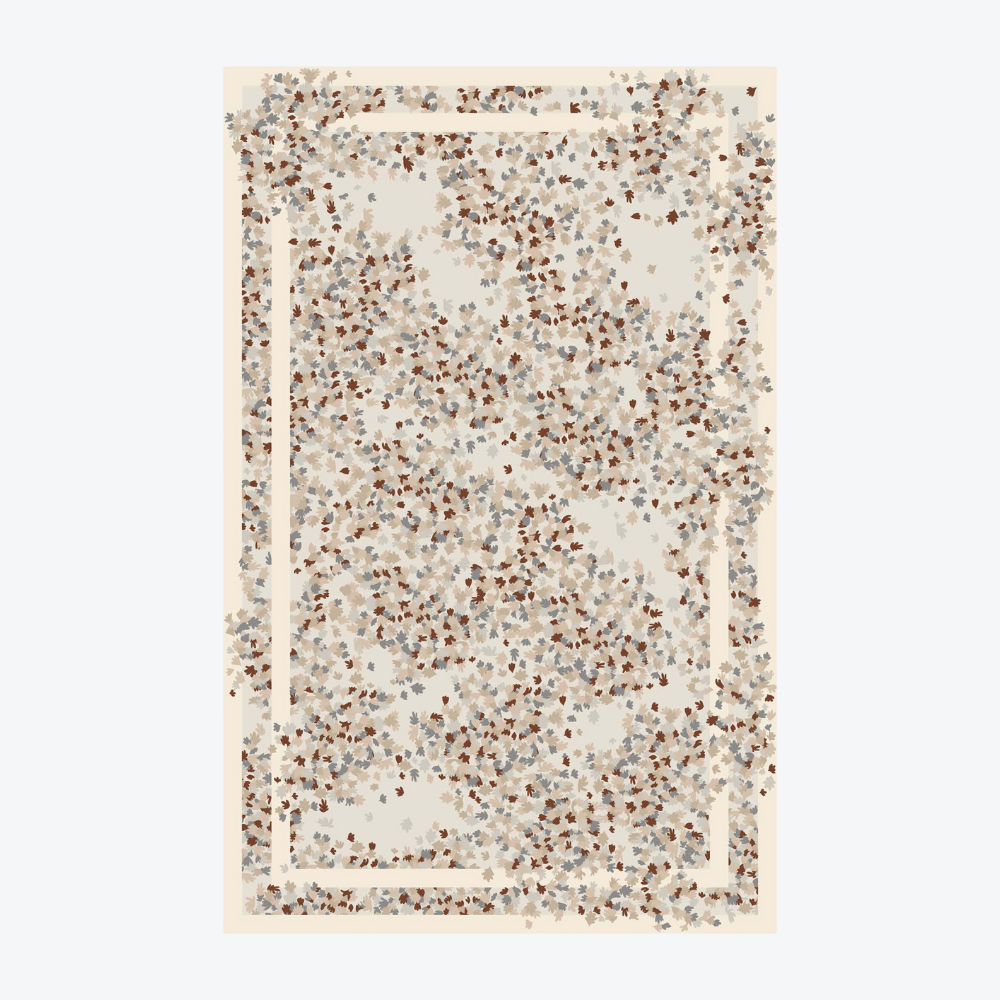
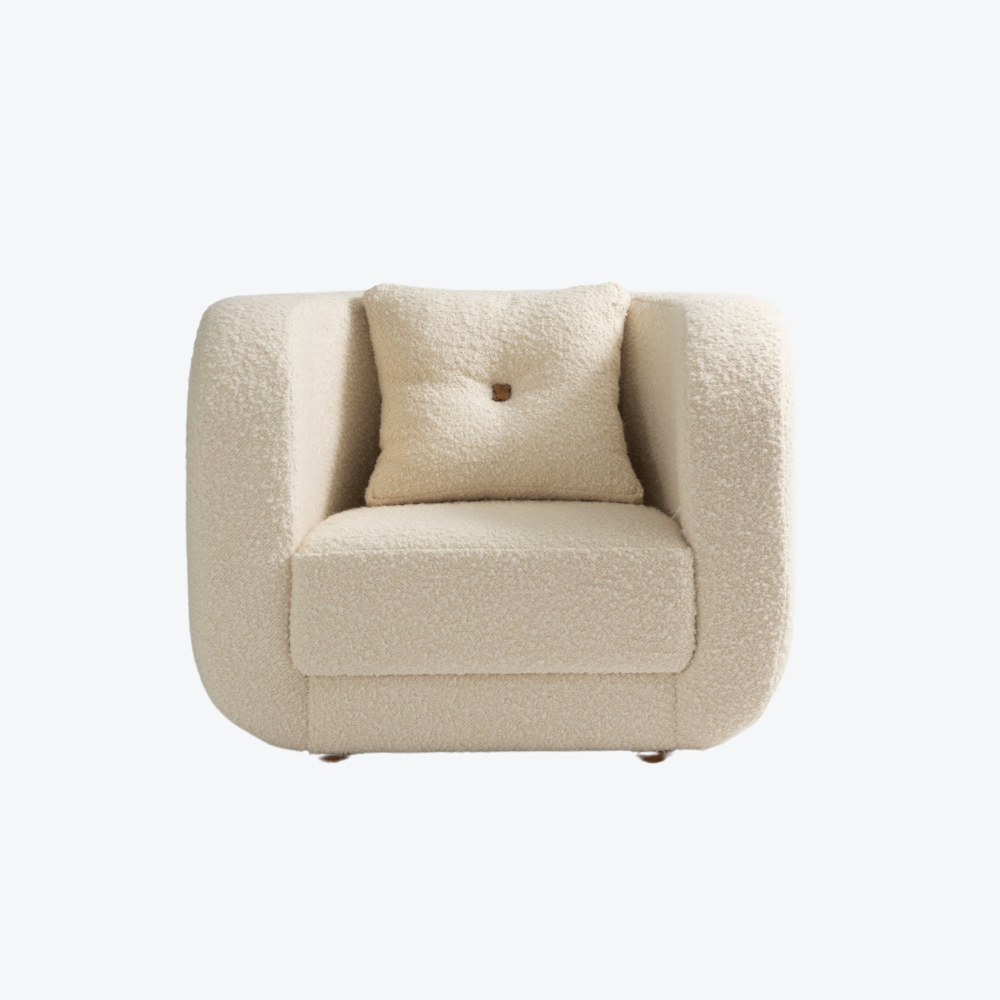
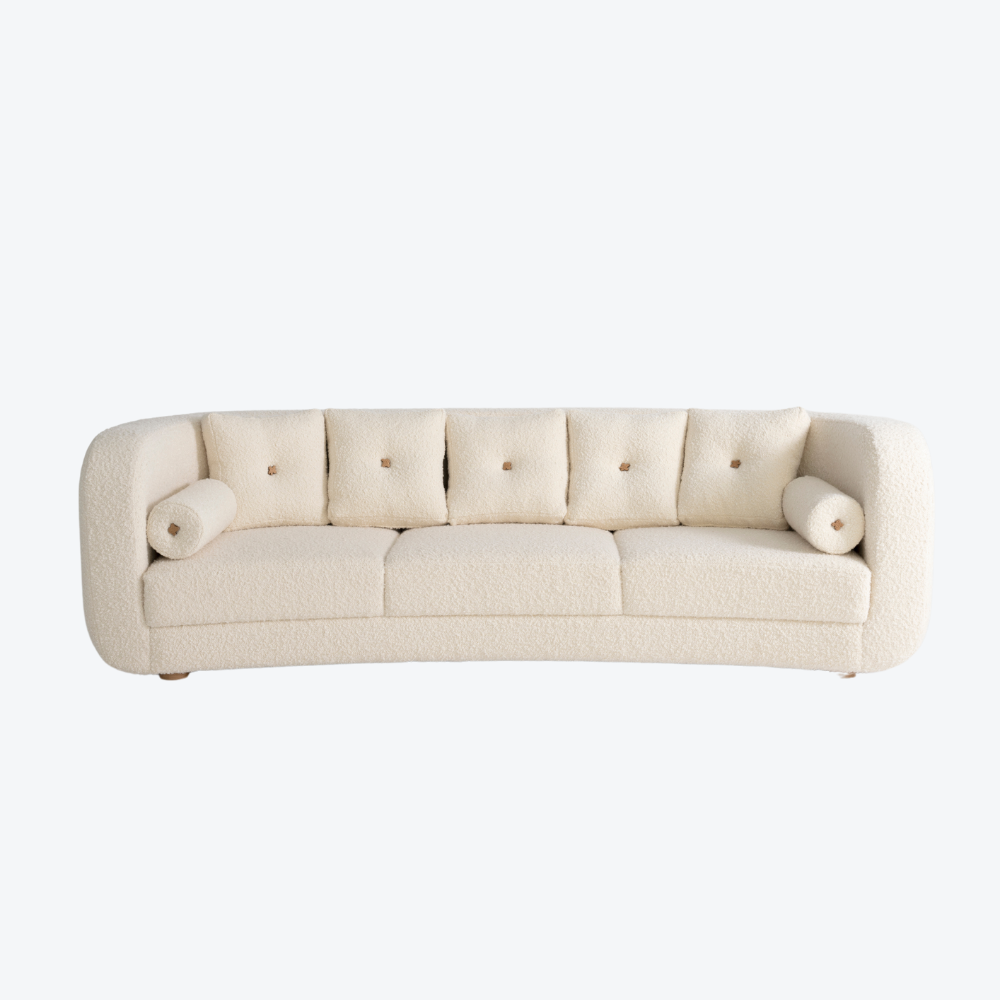
Now, his legacy lives on through a new collection of furniture unveiled at Invisible Collection New York. The Jacques Doucet Legacy Brand is exclusive to Invisible Collection, available only in our galleries and on our platform.

Jacques Doucet

Few men have left such an indelible mark on the imaginations of art patrons and aesthetes. Jacques Doucet was the archetype of the modern collector, with a love of culture as vast as his curiosity and flair for the new. As a couturier, he mentored Paul Poiret and Madeleine Vionnet while dressing celebrities and heiresses. As a collector, he amassed the most legendary trove of rarities and masterpieces from the 18th century to the avant-garde, including Picasso, Klee, Matisse, and de Chirico, while commissioning furniture from Eileen Gray and Pierre Legrain, who decorated his last home, the fabled Studio Saint James. Now, his legacy lives on through a furniture collection available exclusively through Invisible Collection.

Discover the portrait

Architect or Interior Designer?

Join our trade program

0
    0
    My Cart
    Your cart is emptyReturn to shop
    Pierre Frey
    F3702002 Hendaye
    Select Material
    • Flint Terracotta
    • Linterno Fabric : St Moritz/Nobili
    Secret Link
    Skip to toolbar