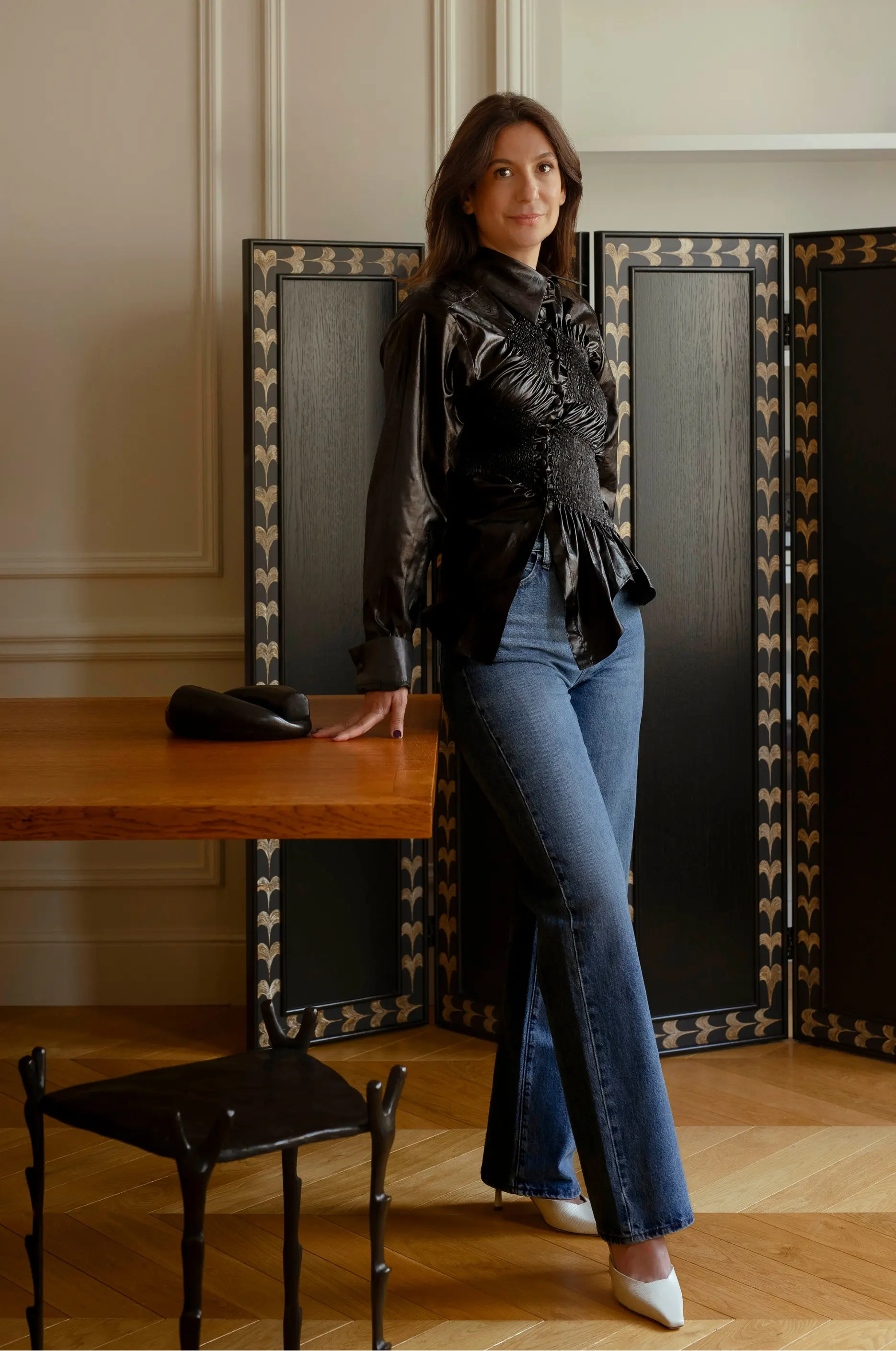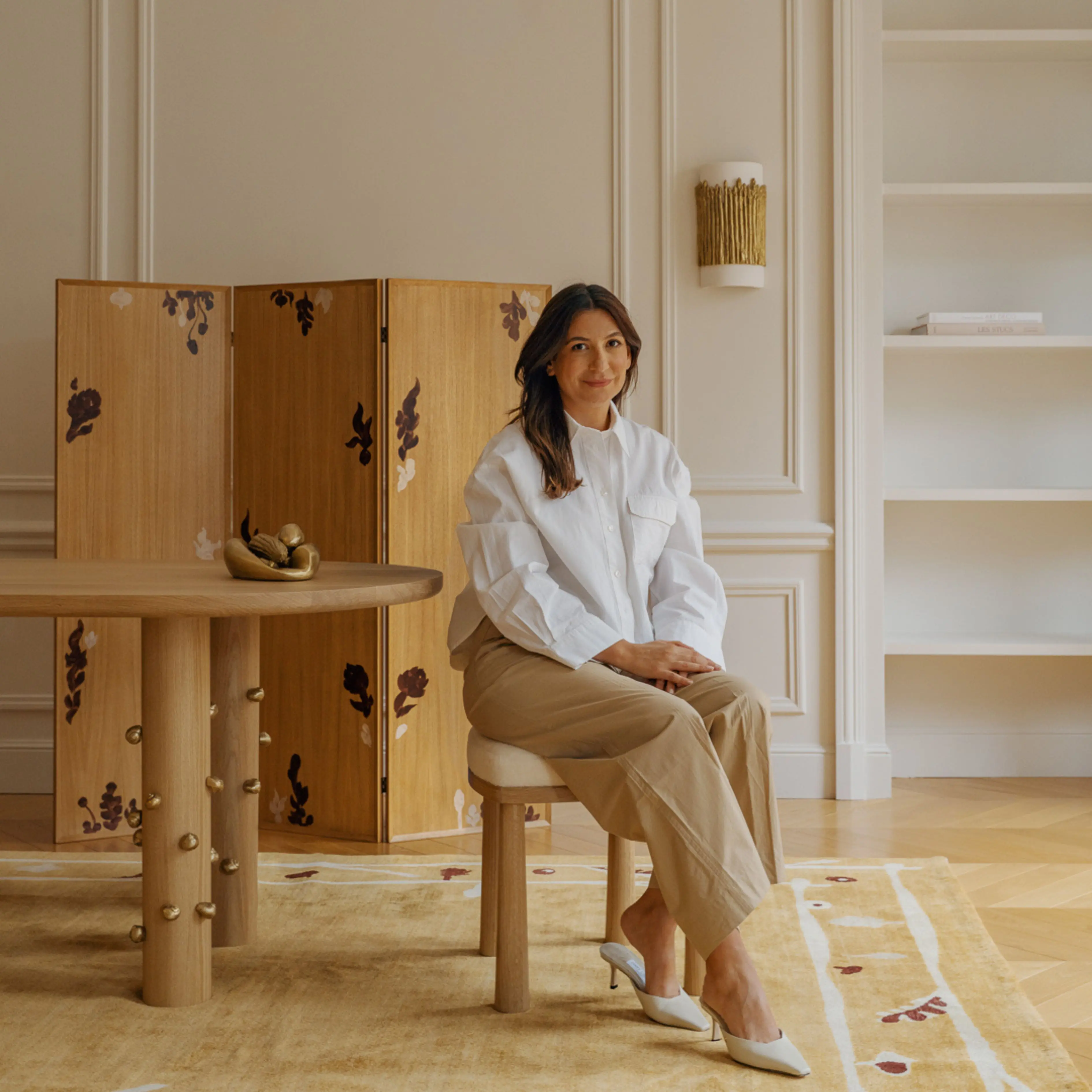
Brian Eno, a true genius who, among others, singlehandedly changed the way we perceive ambient music, once said that when it comes to technology we should all “put some Africa in it.” What he meant was that African sensibility — a bodily, rhythmic, improvisational vibe — was part of his creative process, and so it should be in other aspects of culture at large. Including design, we might add, as we discover the home of Sarah Chirazi, who definitely put some Africa in it. The Lebanese-Iranian designer grew up in Senegal, a West African country with a rich history of art and crafts. Her home and her work reflect that and more. Having honed her skills at the studios of India Mahdavi and Caroline Sarkozy, Sarah went on to found her own practice, working as an interior designer cum ensemblier, injecting her projects with rhythm and vibes that echo multiple cultures and sensibilities, from the kaleidoscopic atmosphere of a food market in Dakar to the oriental vernacular of an ancient hammam.

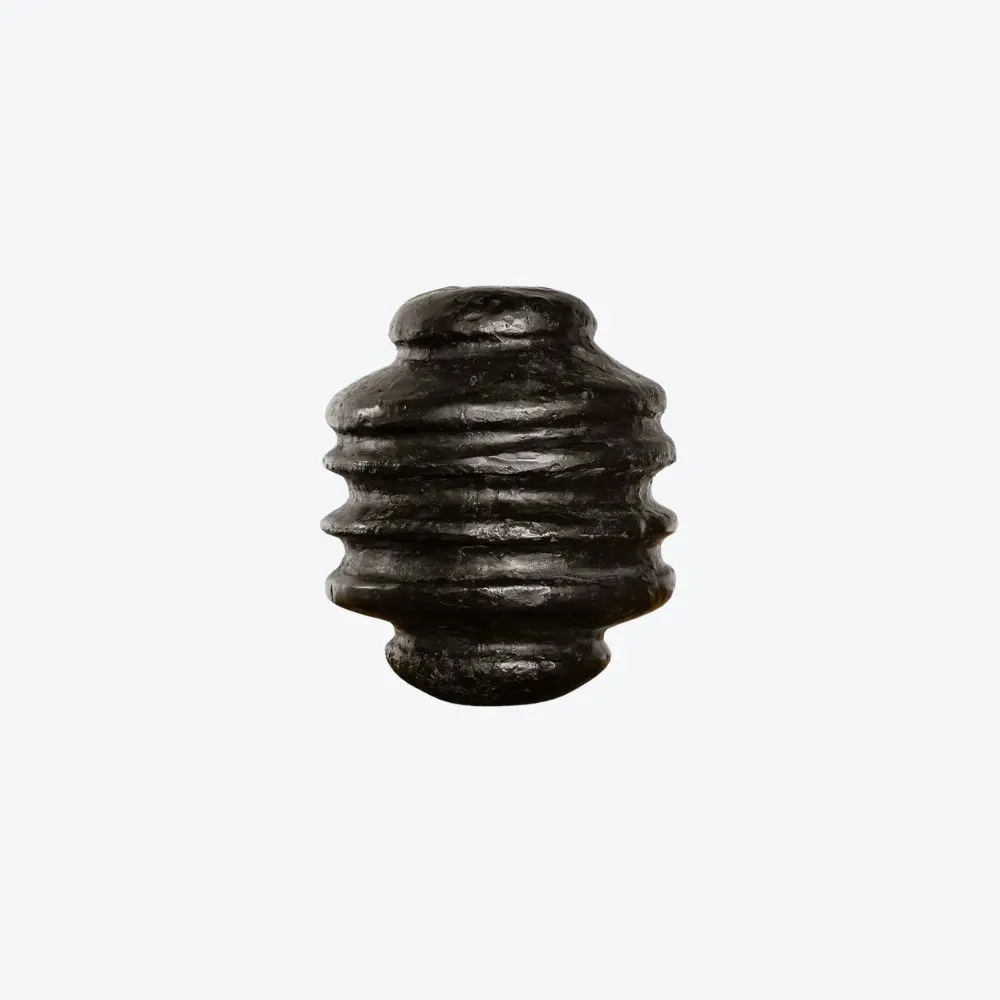
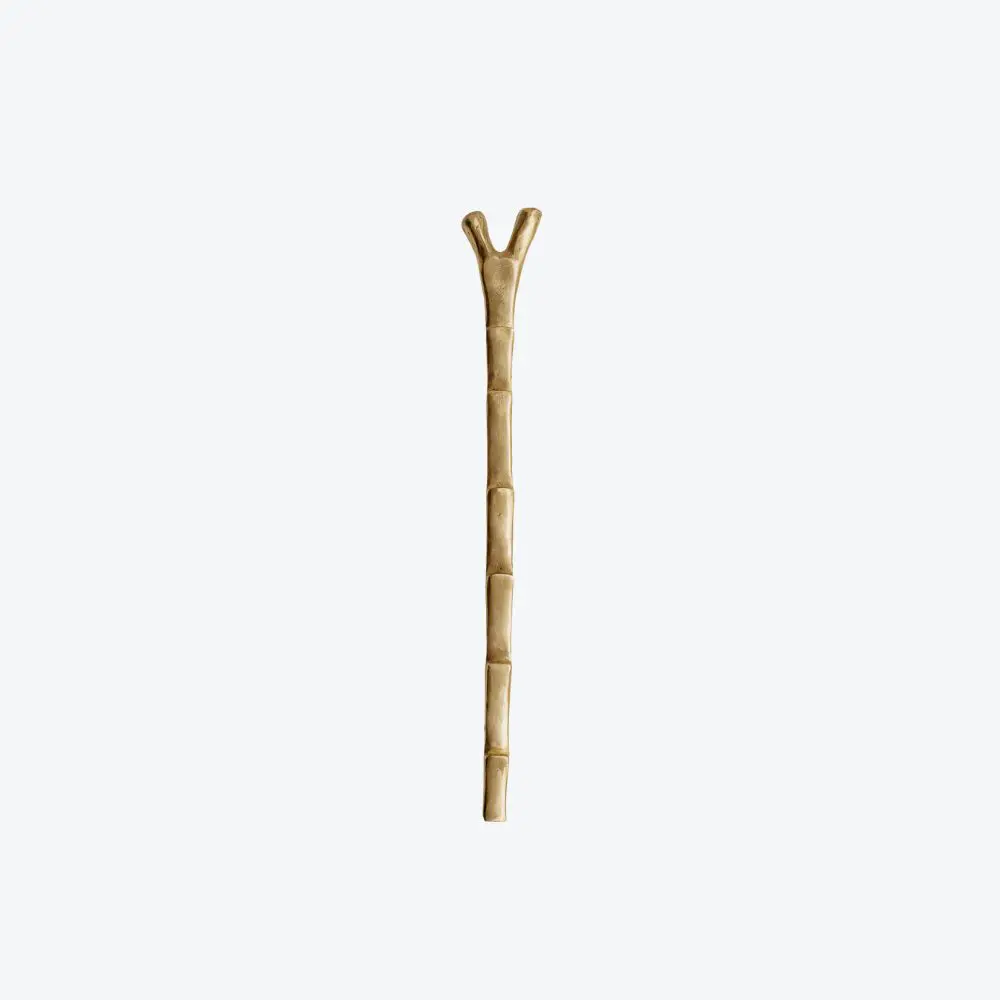
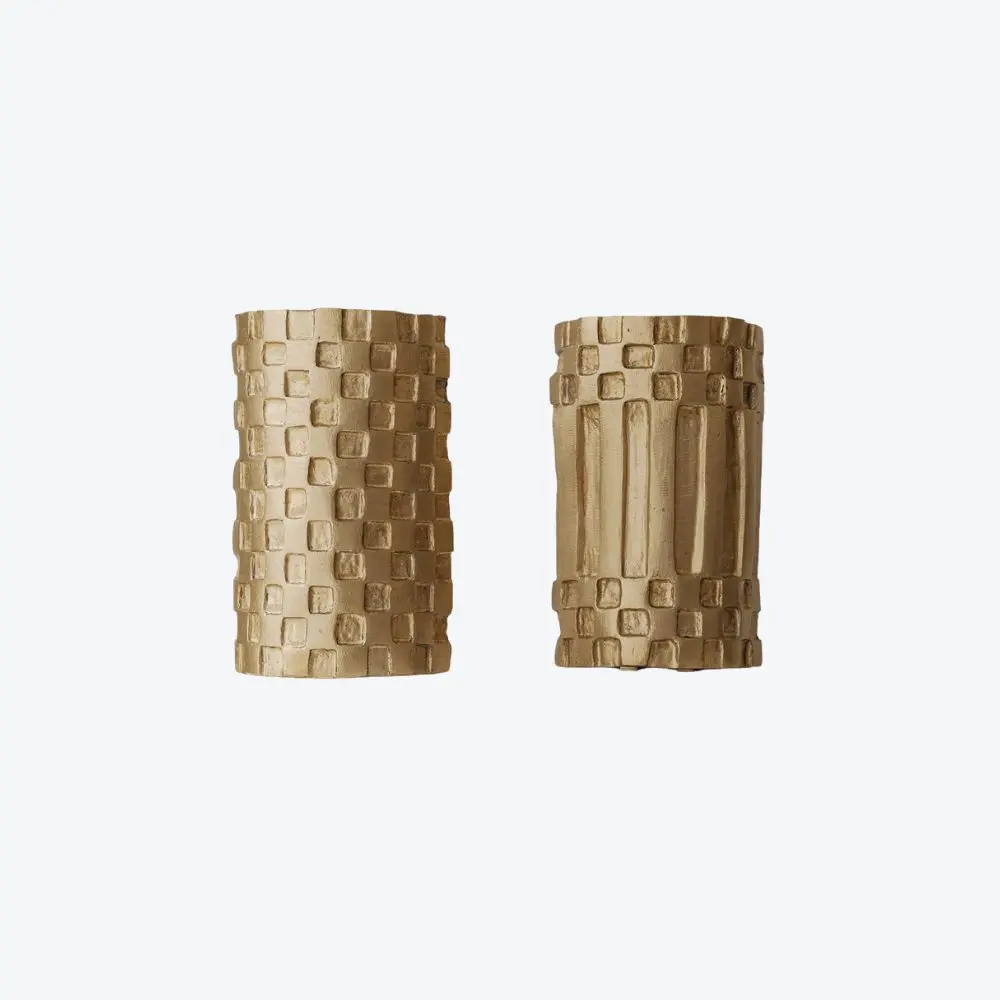
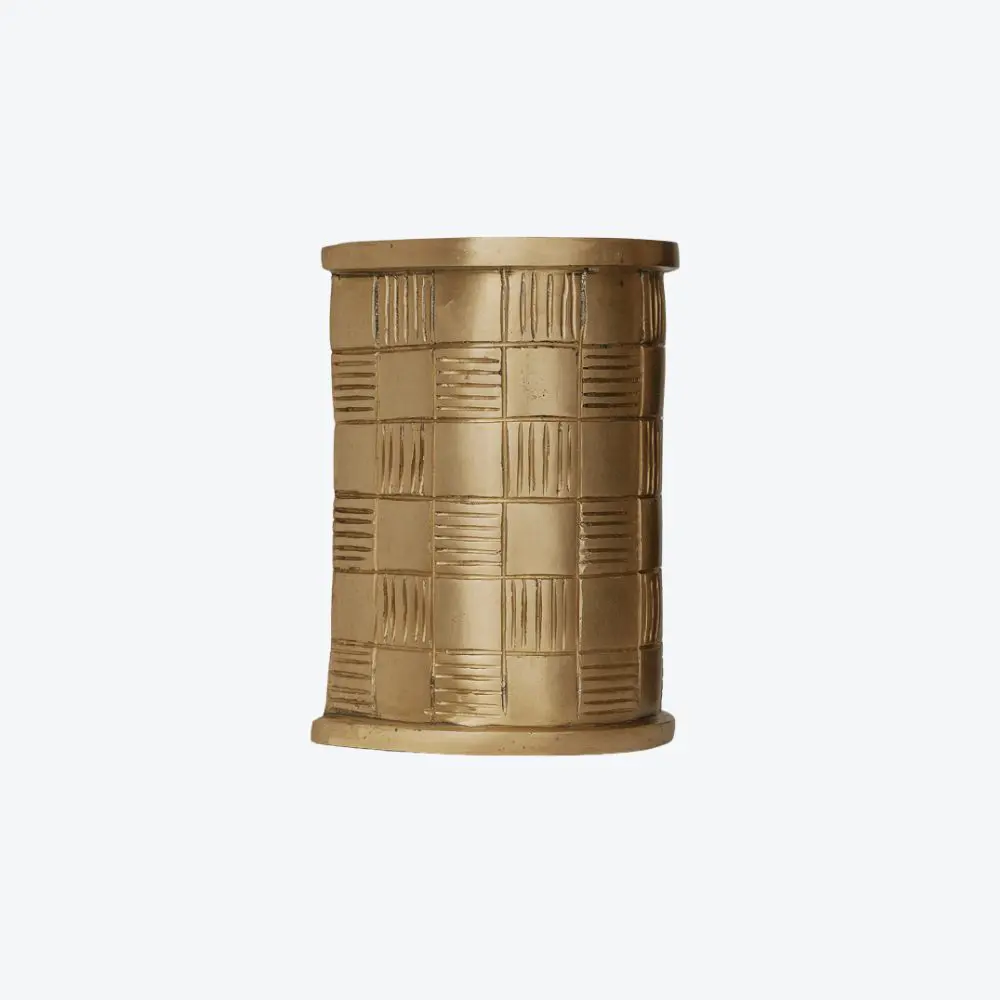
And there is more: having spent her childhood in a house filled with Art Deco furniture and studied in Paris, Sarah has enriched her design language with the sophisticated grammar of a specific savoir-faire that belongs to the French arts décoratifs. Her own apartment, picture-perfectly located in the heart of the Rive Gauche with a view over Saint-Germain, is the laboratory where she puts her ideas to the test and displays her designs. Take the kitchen, for instance, a subtle affair of muted palettes elevated by original pieces from her Veggie Collection. “My obsession with vegetables began when I designed the Asper wall light, the very first piece in the collection. It started with an asparagus-shaped majolica dish owned by my mother. From there, I designed a wall light that is a half-cylinder in plaster wrapped in bronze asparagus,” recalls Sarah, acknowledging that asparagus are not quite a staple of Senegalese cuisine and weren’t easy to find. She took up the challenge and doubled down, adding asparagus-shaped bronze handles to the wall lamp. The manufacturing process was the easy part: “At the time, I had already been working with plaster and bronze alongside Senegalese artisans for several years.”


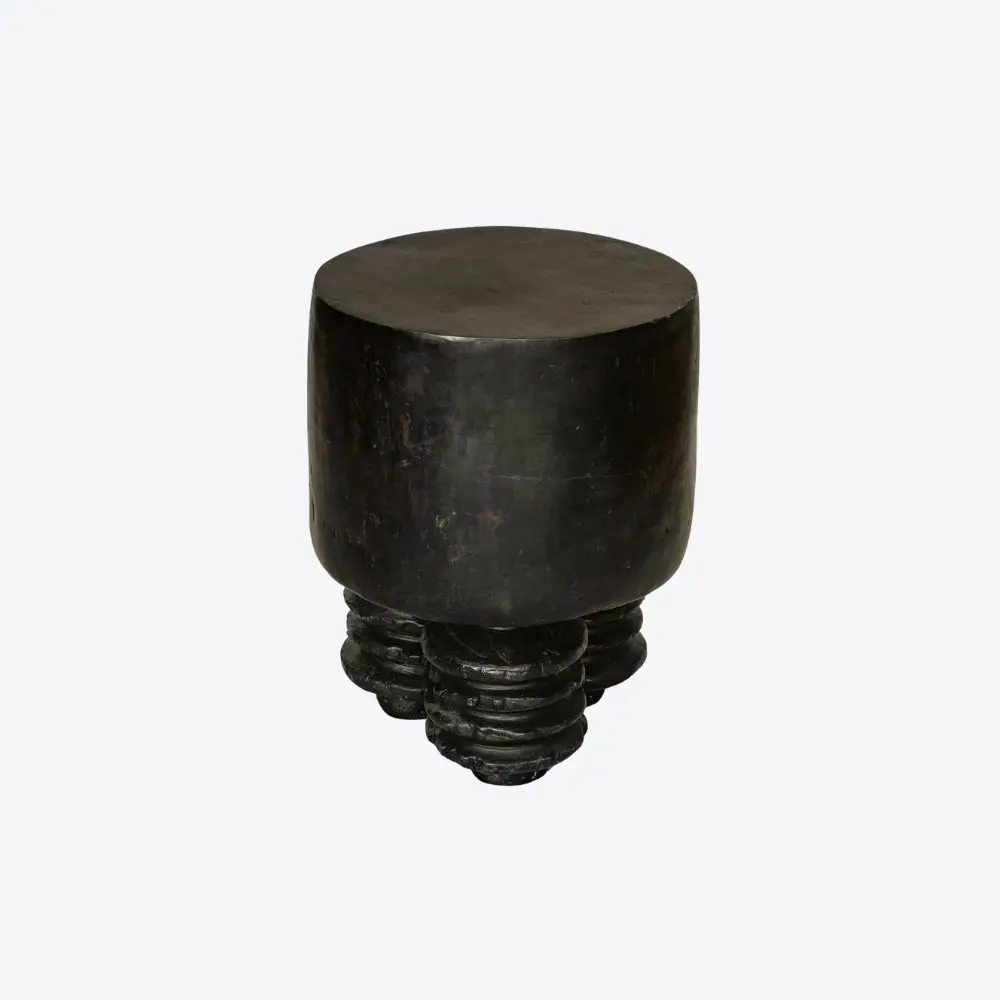
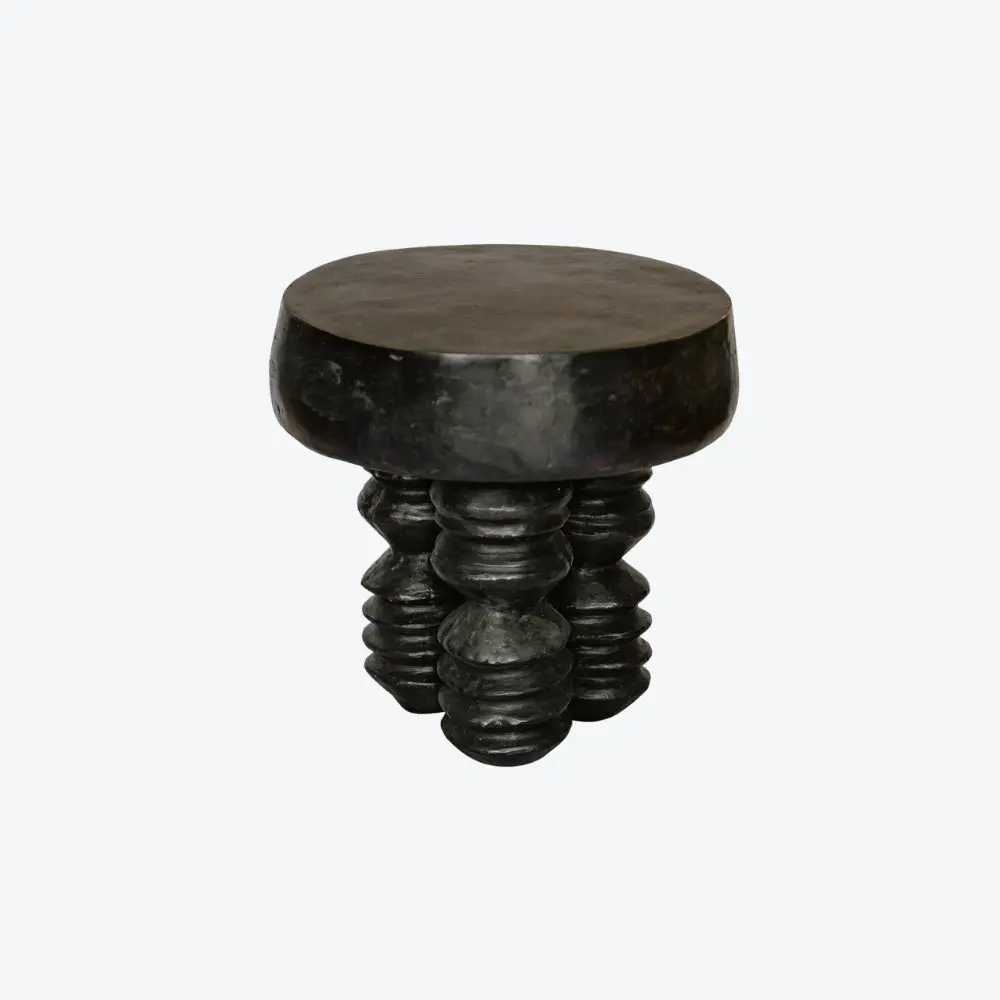
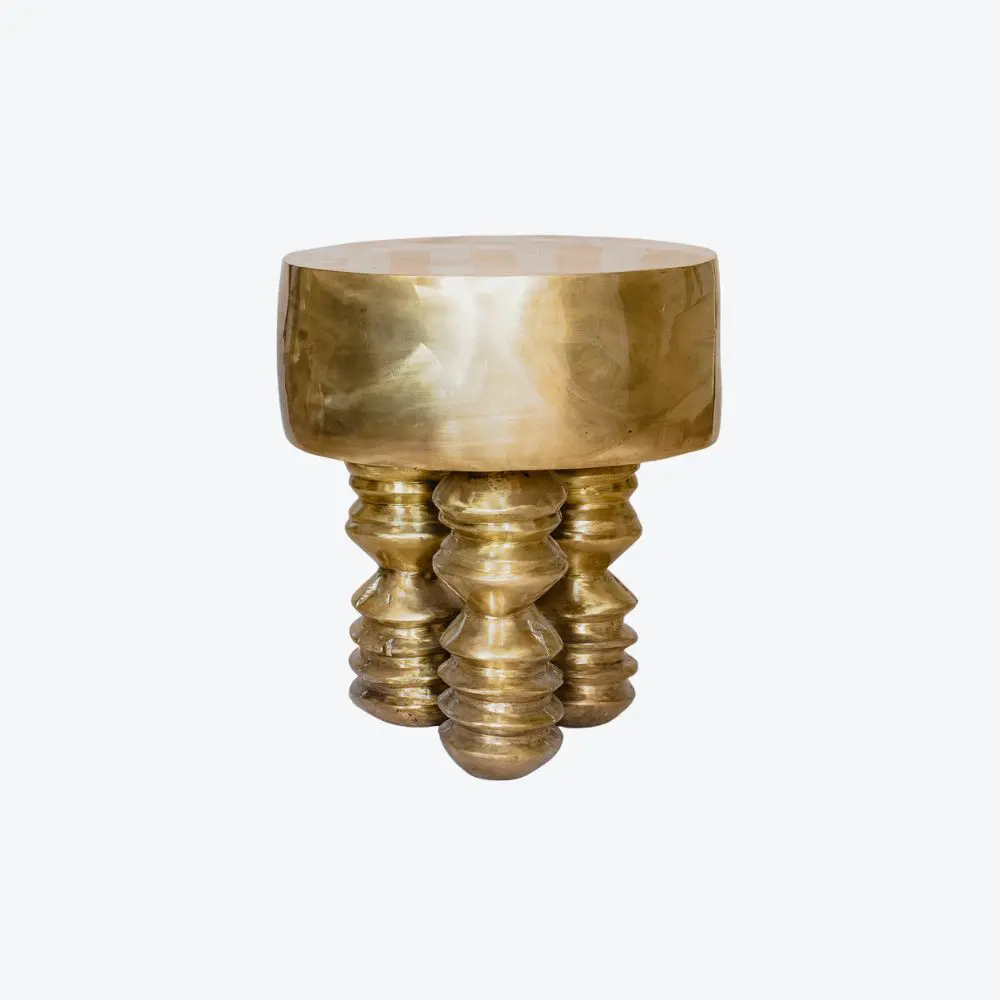
Sarah is a traveler at heart who always comes back from her trips with extra luggage — carrying eclectic finds discovered at local markets, artisans’ workshops, and antique galleries. It’s this world, where ancient African sculptures, Californian mid-century cabinets, vintage pieces, contemporary art, and Sarah’s own designs coexist, that takes shape in her living room — the ultimate playground of the designer and the sum of all her ideas. “I believe the ambiance of this living room comes from a feeling: the desire to recreate an atmosphere familiar to me, within an envelope defined by Parisian codes — the fireplace, the parquet floor, the moldings. I see it as a form of eclecticism, where different styles blend,” she says while pointing to the Dogon pouf, produced between Dakar and Paris. Its bronze base is crafted by artisans in Senegal, while the wooden structure and upholstery are made in Paris: “I feel this piece represents my work and influences quite well.”

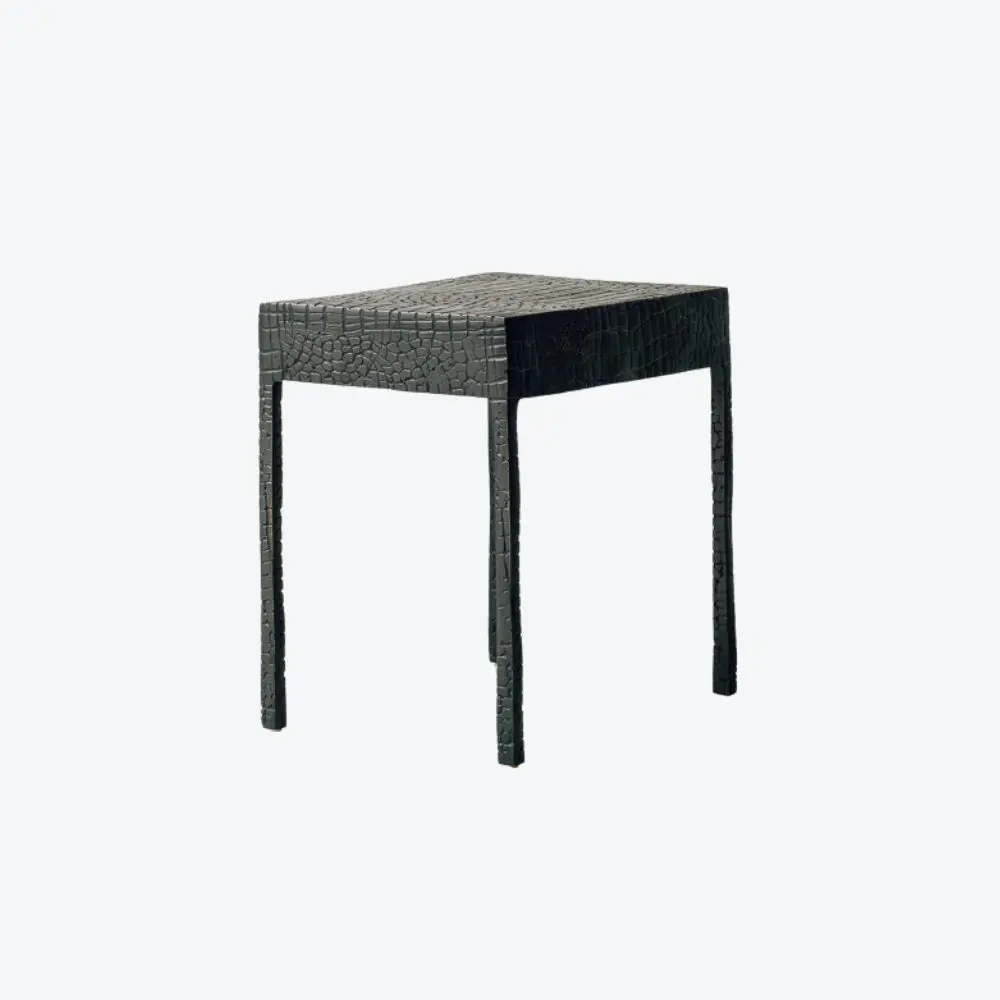
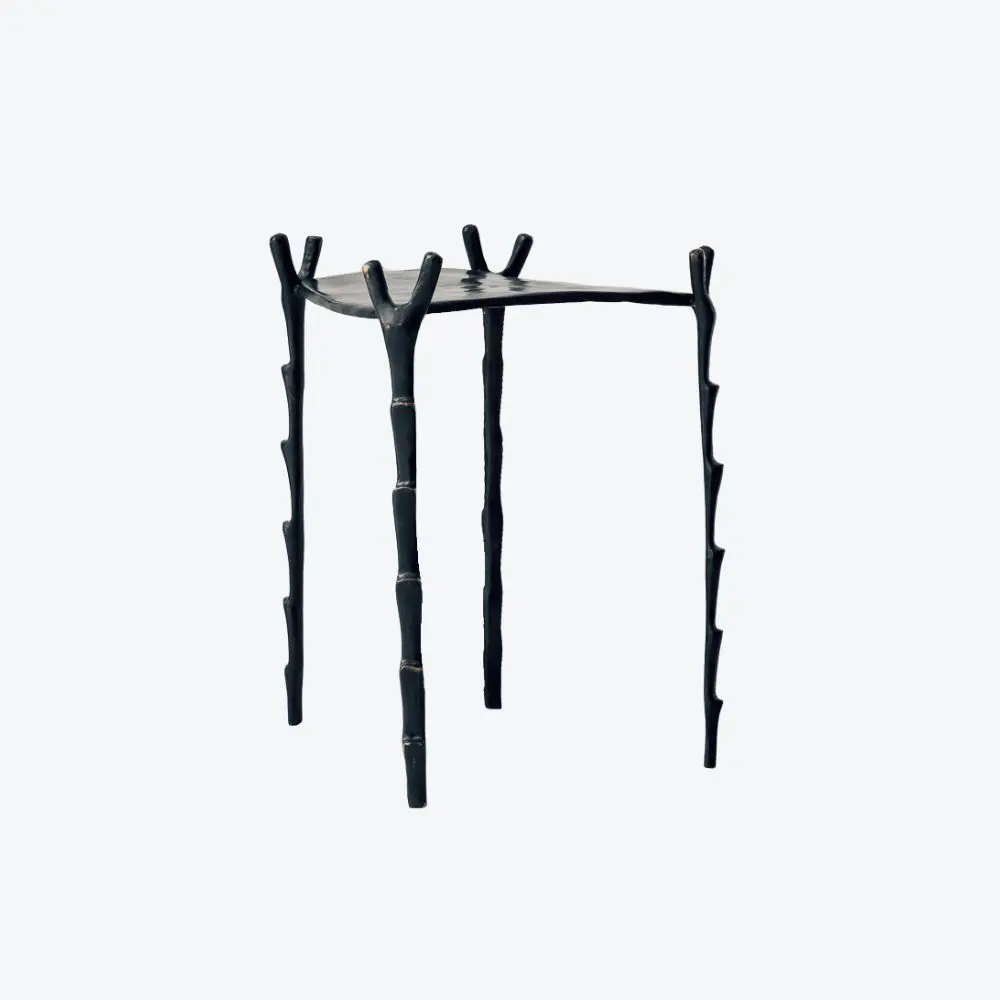
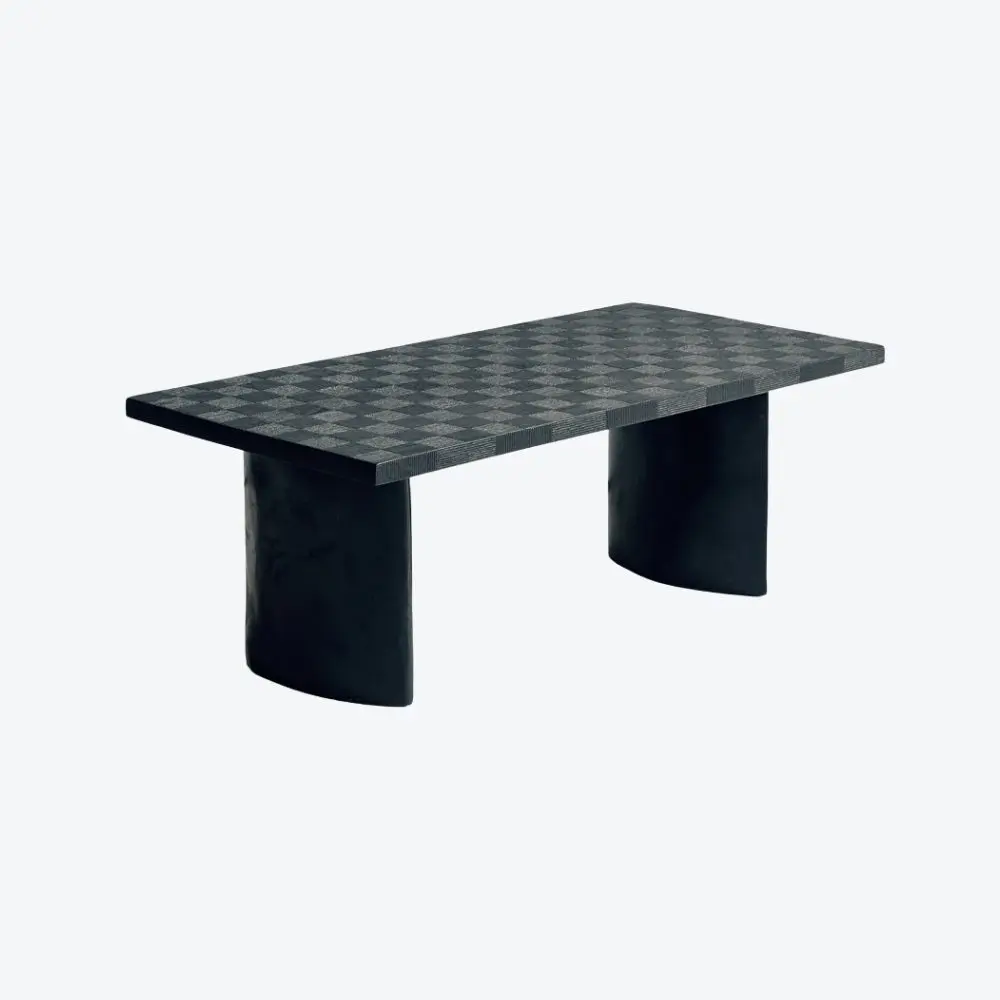
Facing the 19th-century fireplace is the Kalao screen, created with Lucrèce Grappin. It is entirely hand-painted and engraved with pheasant-feather motifs. This way of tapping familiar patterns — almost randomly, following her sharp eye, as easily drawn to the zigzagging pattern of a truck tyre as to the elegant checkered grid of a chessboard — and twisting them into something new is another of Sarah’s hallmarks. Opposite the screen is a table made entirely in Senegal, with black-patinated bronze legs supporting a tabletop featuring an inverted checkerboard pattern, entirely hand-engraved by Mamadou Ndoye, a Senegalese artisan. Even the choice of hues is a telltale sign of Sarah’s confidence when bringing together so many styles: think of the Dakar sofa, upholstered in a custom-made, rich aubergine color that fits perfectly into the décor.