Somebody to Love
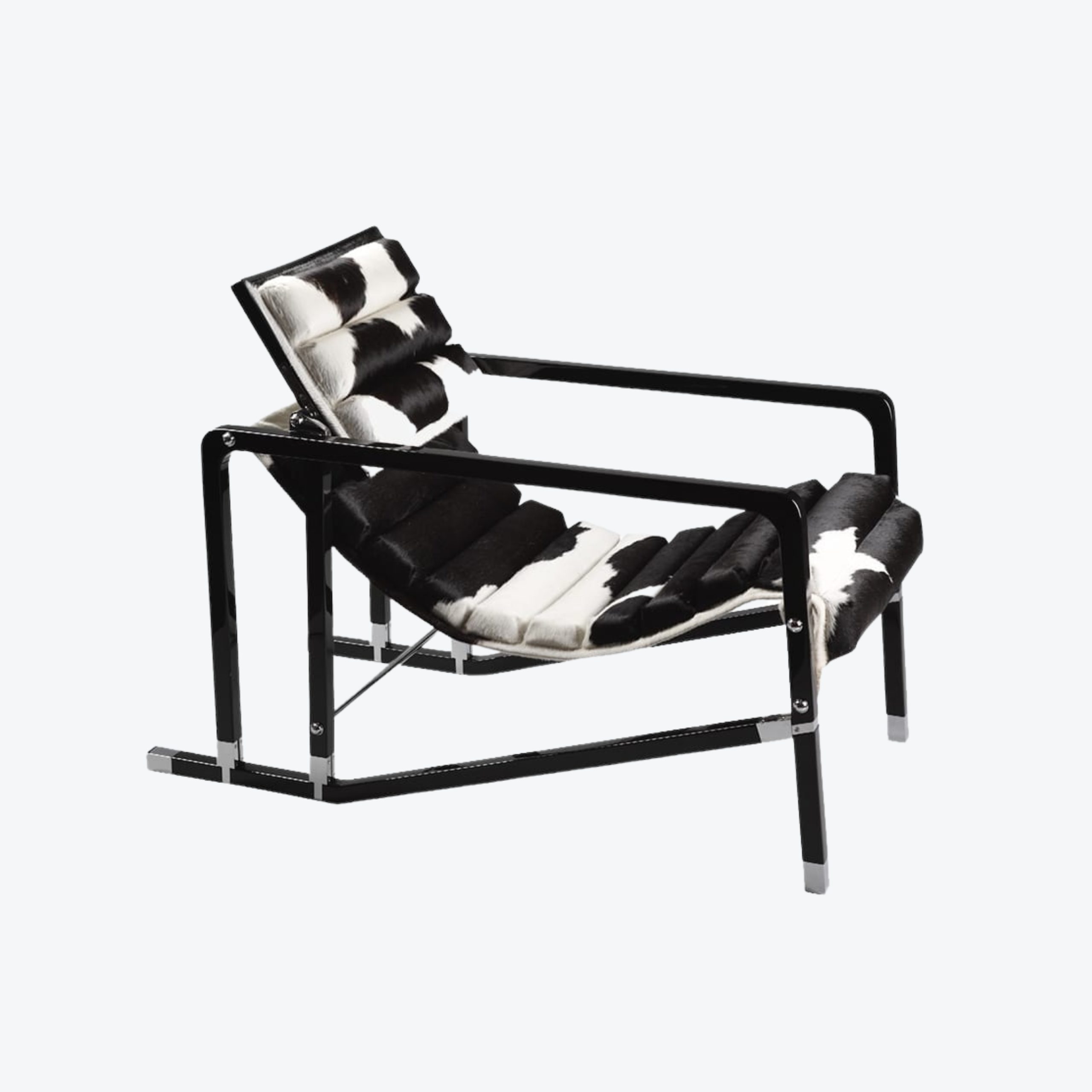
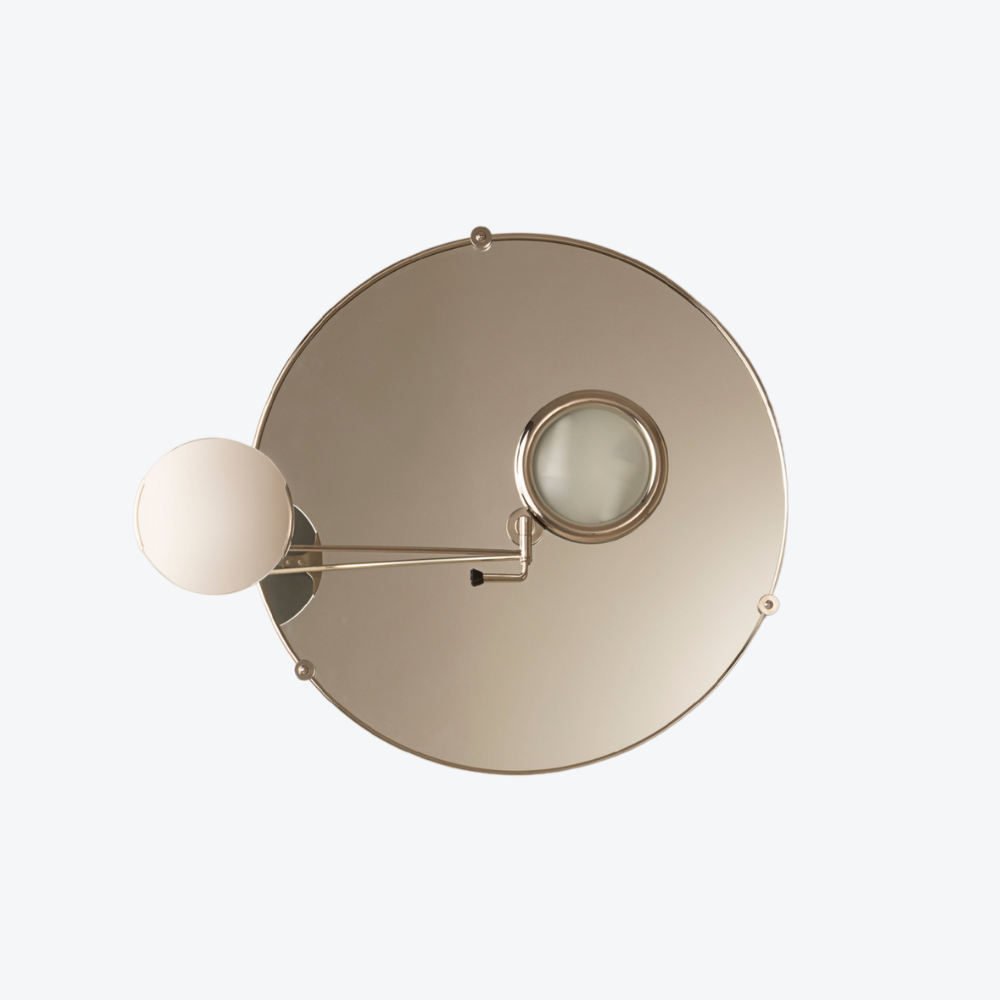
Irish by birth, Parisian at heart, and a true citizen of the world, Eileen Gray embraced the visionary ideas of the Bauhaus with the same enthusiasm as she absorbed the sophisticated crafts of the decorative arts—learning the secrets of lacquering from Japanese master Seizo Sugawara.
Known for her fierce independence, she nevertheless bonded in both a professional and romantic relationship with Romanian-born Jean Badovici—an architect and influential critic who played a key role in supporting modernist pioneers, including Le Corbusier. Out of this love, Gray designed the iconic Villa E-1027, a coded name symbolizing their connection: E for Eileen, 10 for Jean (J being the 10th letter of the alphabet), 2 for Badovici (B being the 2nd letter), 7 for Gray (G being the 7th letter).
Though the two lovers later grew estranged, the house remains an enduring symbol of love and creative collaboration.

Nothing but a Heartbreak
Couturier, aesthete, and patron of the arts: Jacques Doucet inspired many, including Yves Saint Laurent and Karl Lagerfeld, who were fascinated by his life and lifestyle. Regarded as the first modern collector, Doucet hosted the most talked-about gatherings in his spectacular hôtel particulier on Rue Spontini, Paris. The place was filled with treasures—rare books, master paintings, and antiques.
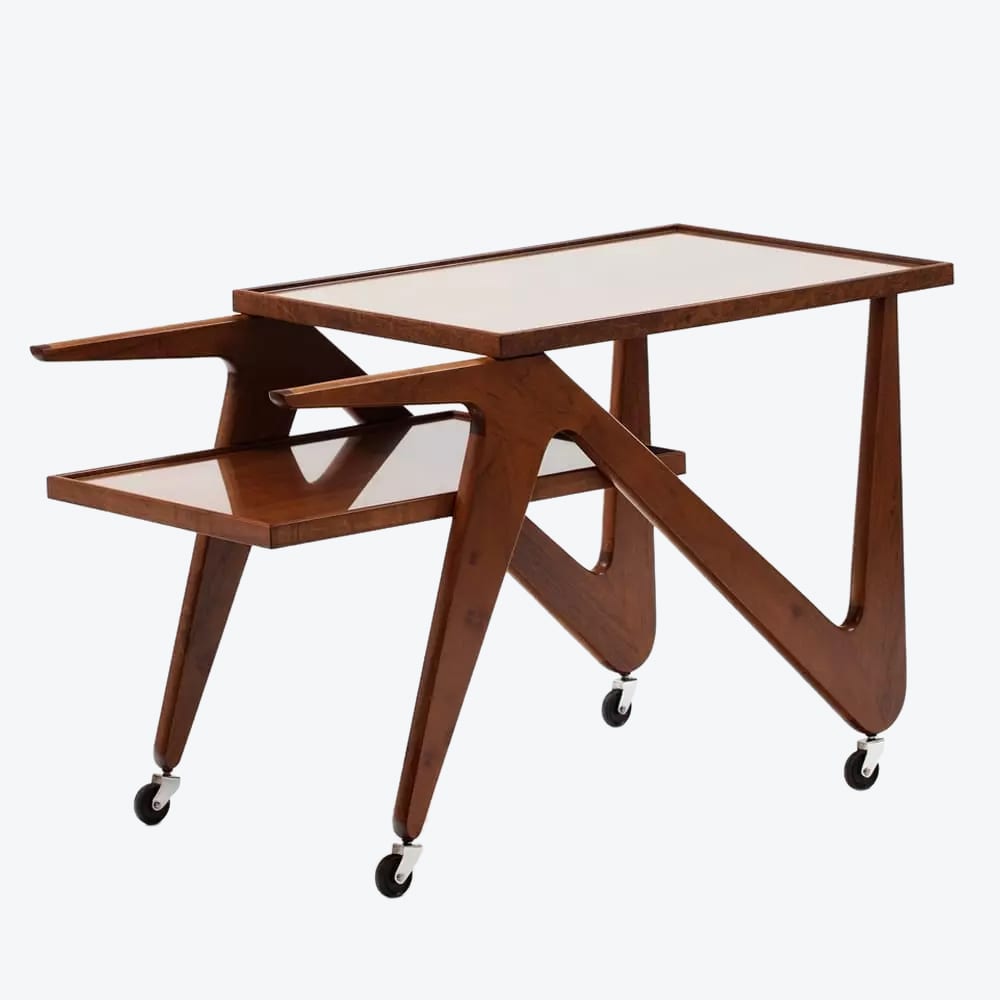
Then, a woman, whose identity remains unknown, broke their engagement and his heart. Drowning in grief, Doucet decided to turn the page by selling everything he owned in what became known as the sale of the century. His heart was never mended, but his passion for the arts continued to burn: he invested the proceeds from the sale in modern art—including Picasso’s Les Demoiselles d’Avignon—as well as books and bespoke designs commissioned from Frank, Gray, Iribe, and Legrain.
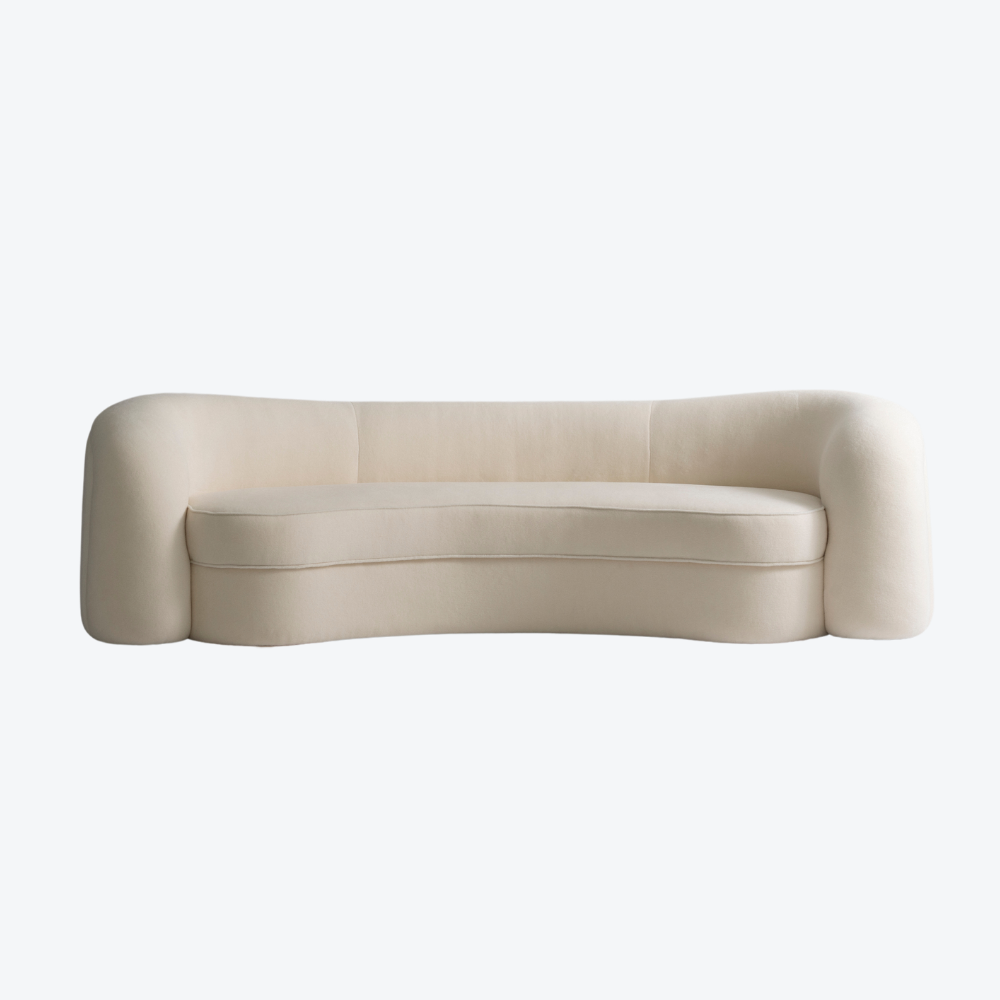
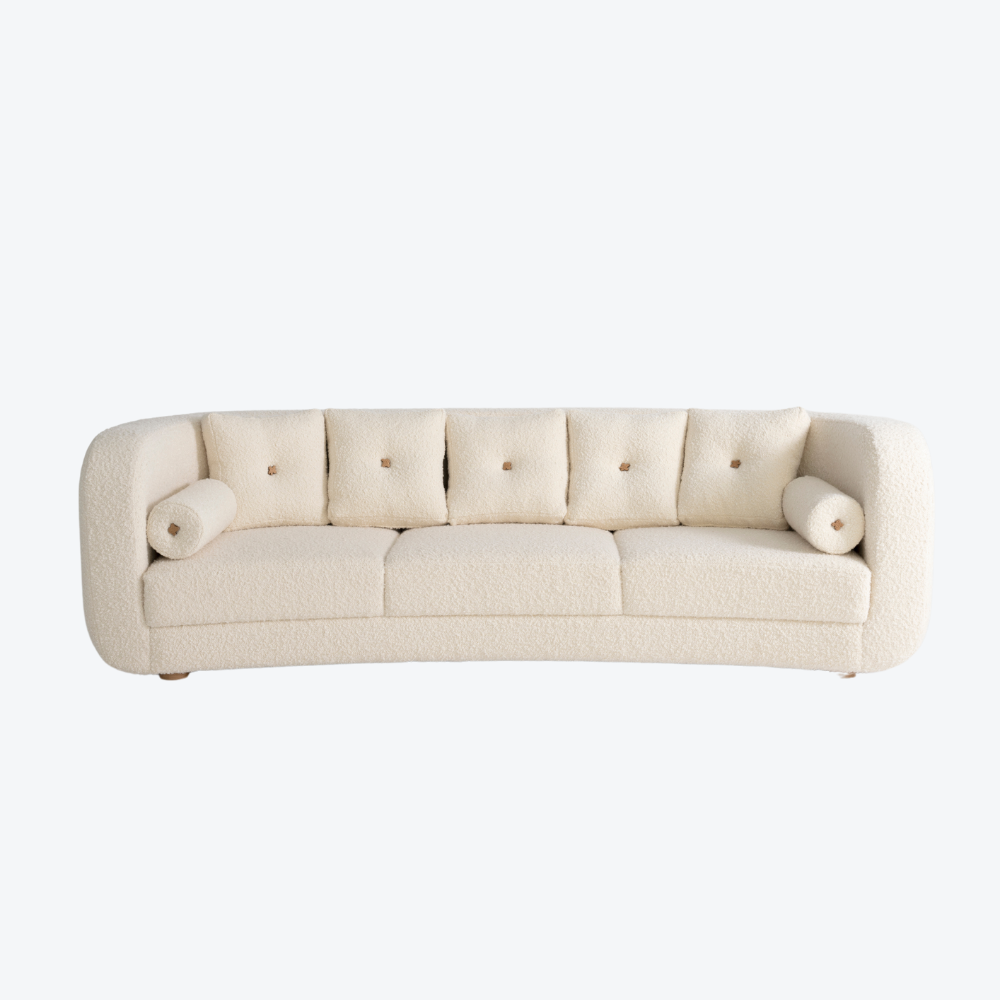
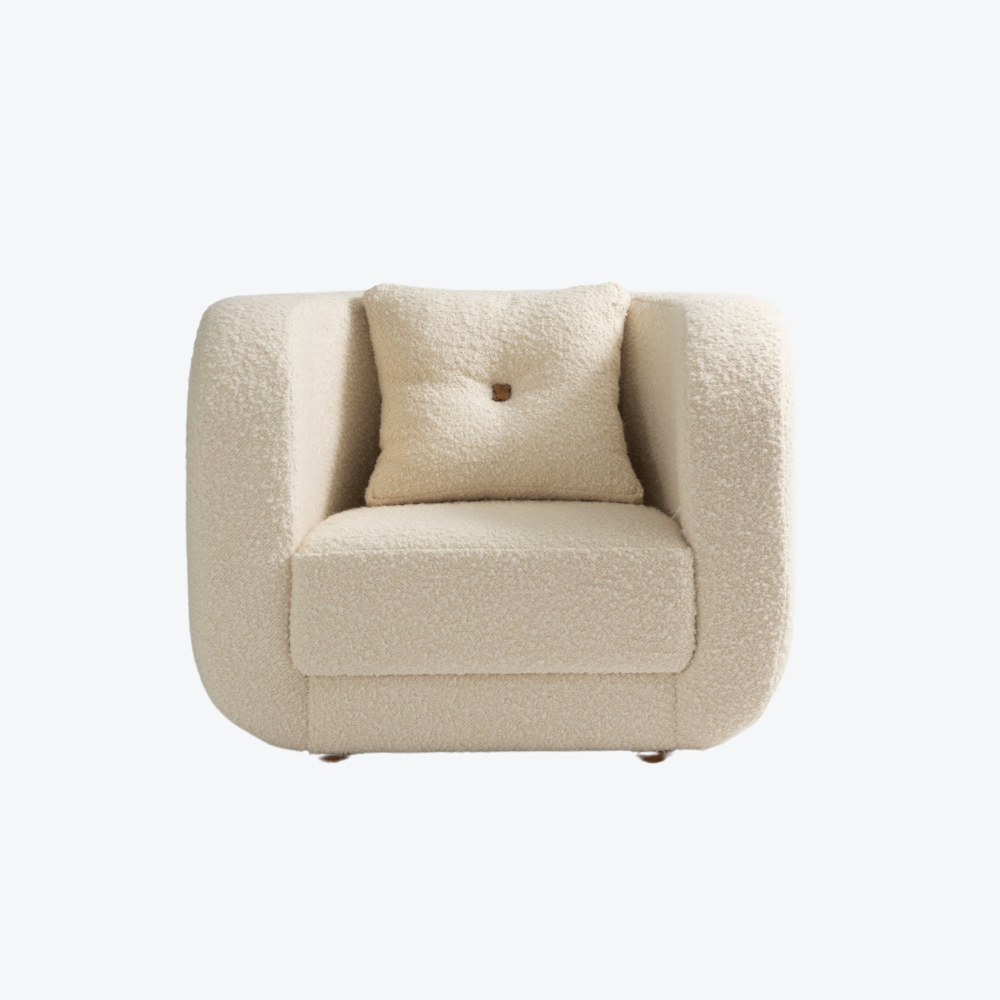
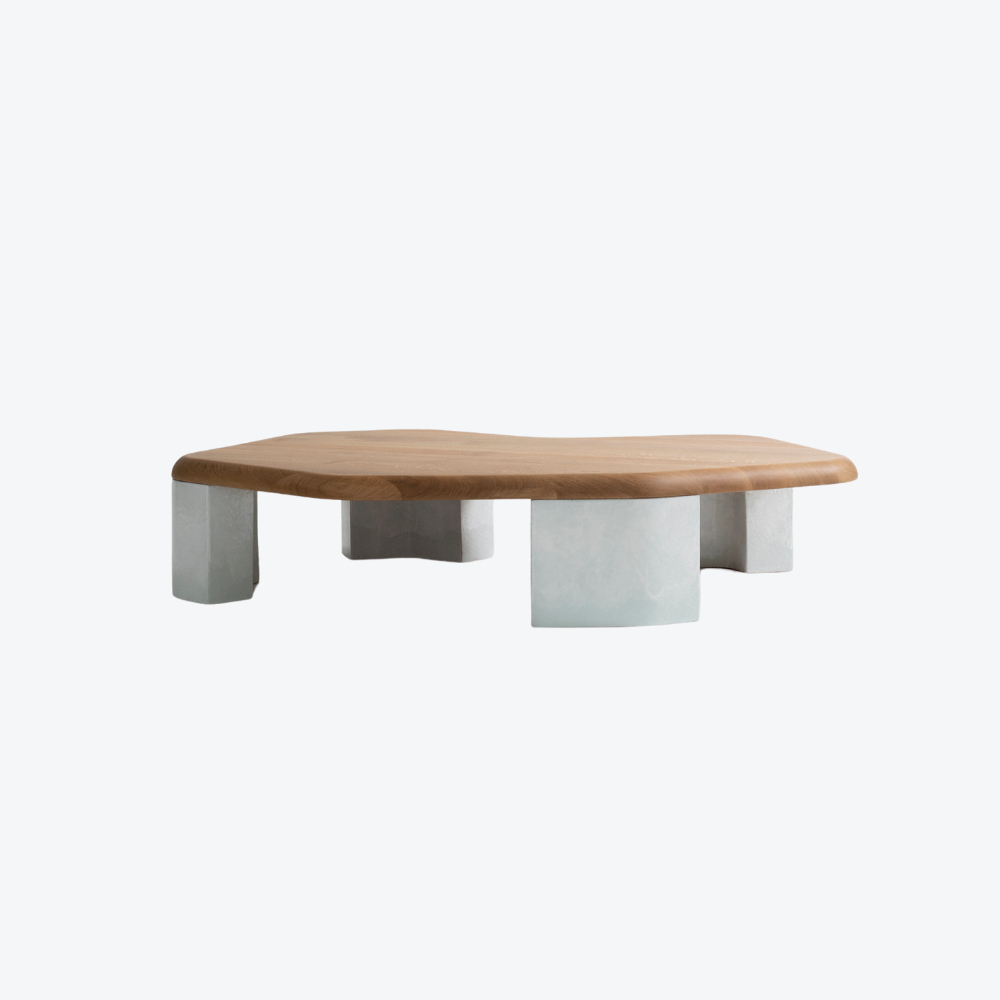
Now, his legacy lives on through a line of bespoke furniture, available exclusively on Invisible Collection.

Ti Amo
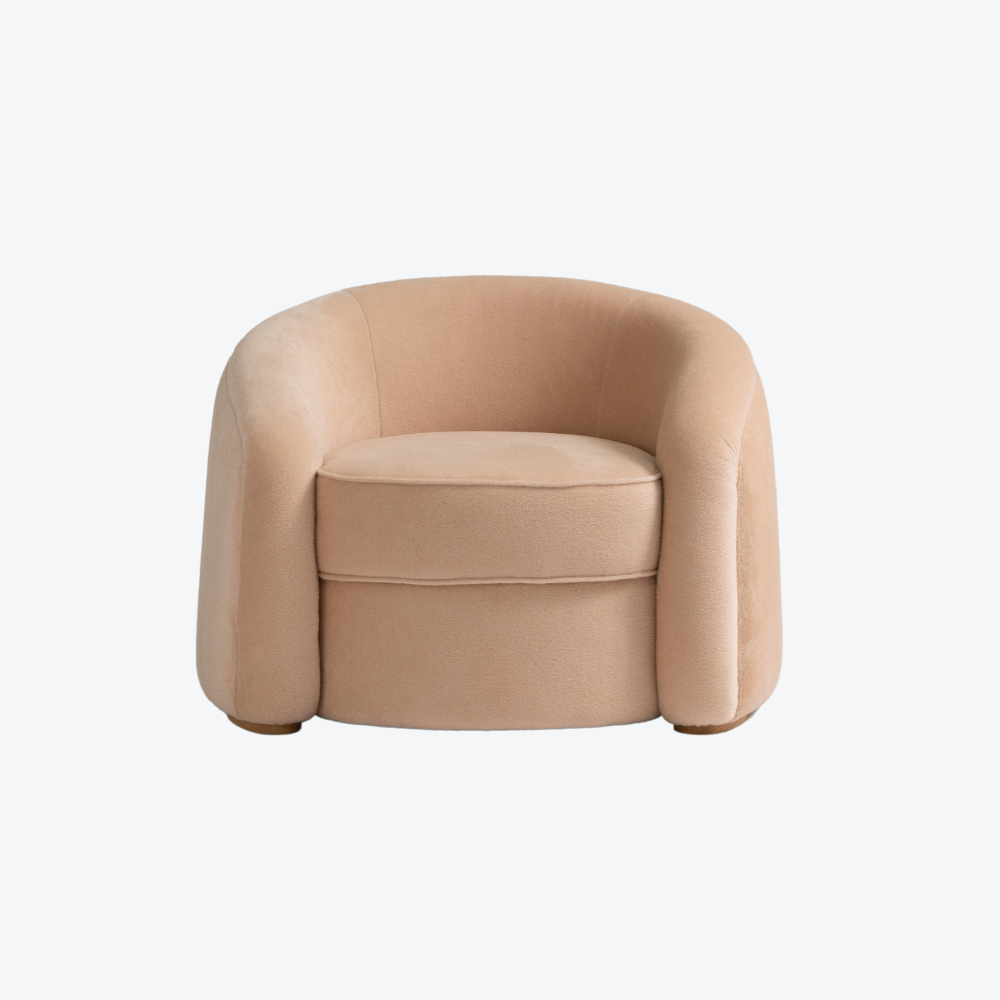
A friend and colleague of Gio Ponti, who gave her the opportunity to work for his forward-thinking magazine Domus, Lina Bo Bardi was never fully admitted into the exclusive boys’ club of architecture.
A member of the Italian Resistance during WWII and a supporter of the Communist Party, she found a kindred spirit in Pietro Maria Bardi—an influential journalist, historian, and art critic who shared her radical ideas in both architecture and politics. They married in 1946 and left everything behind to build a new life in Brazil.
There, finally free to express her incredible talent and empowered by her husband’s unwavering support, Lina thrived as an individual while also collaborating with Pietro on groundbreaking projects—most notably, reimagining exhibition spaces for MASP (Museu de Arte de São Paulo).
Lina continued to design iconic houses and furniture, while Pietro remained MASP’s chief curator—a position he held for 45 years. Only death did them part…