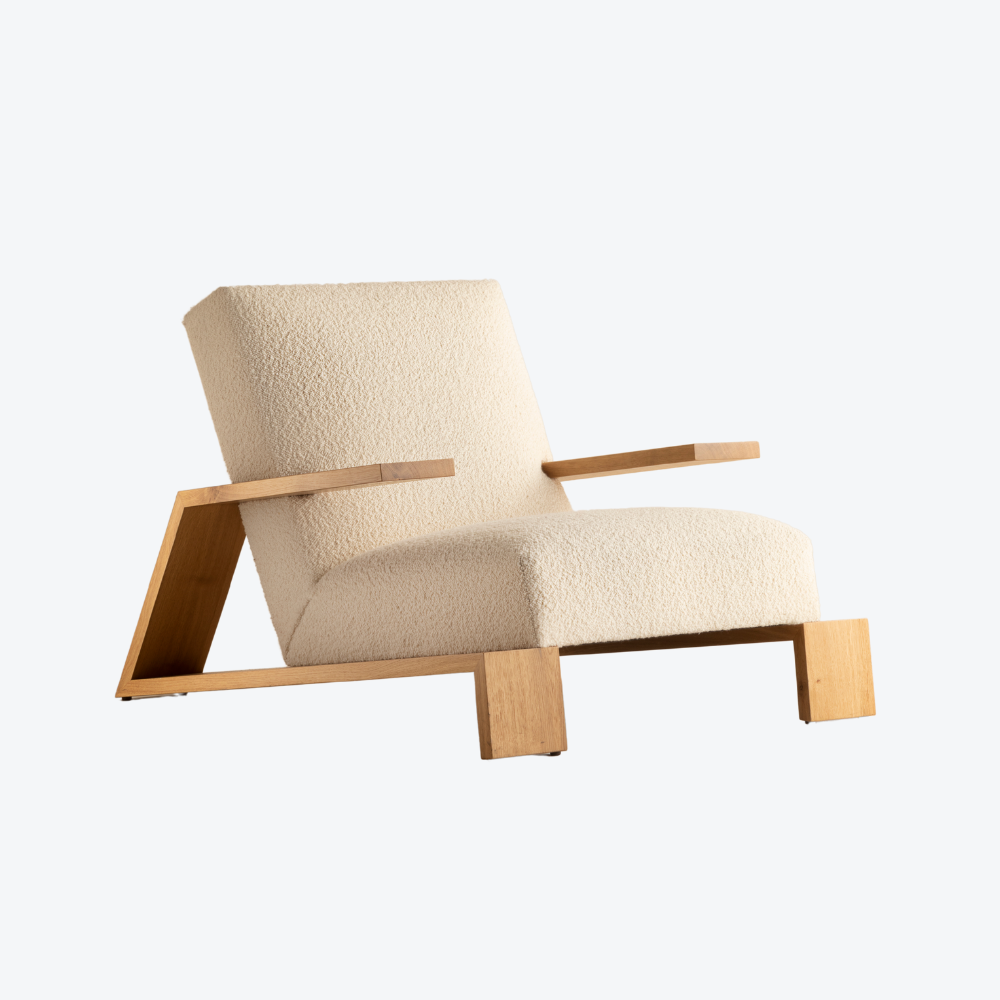
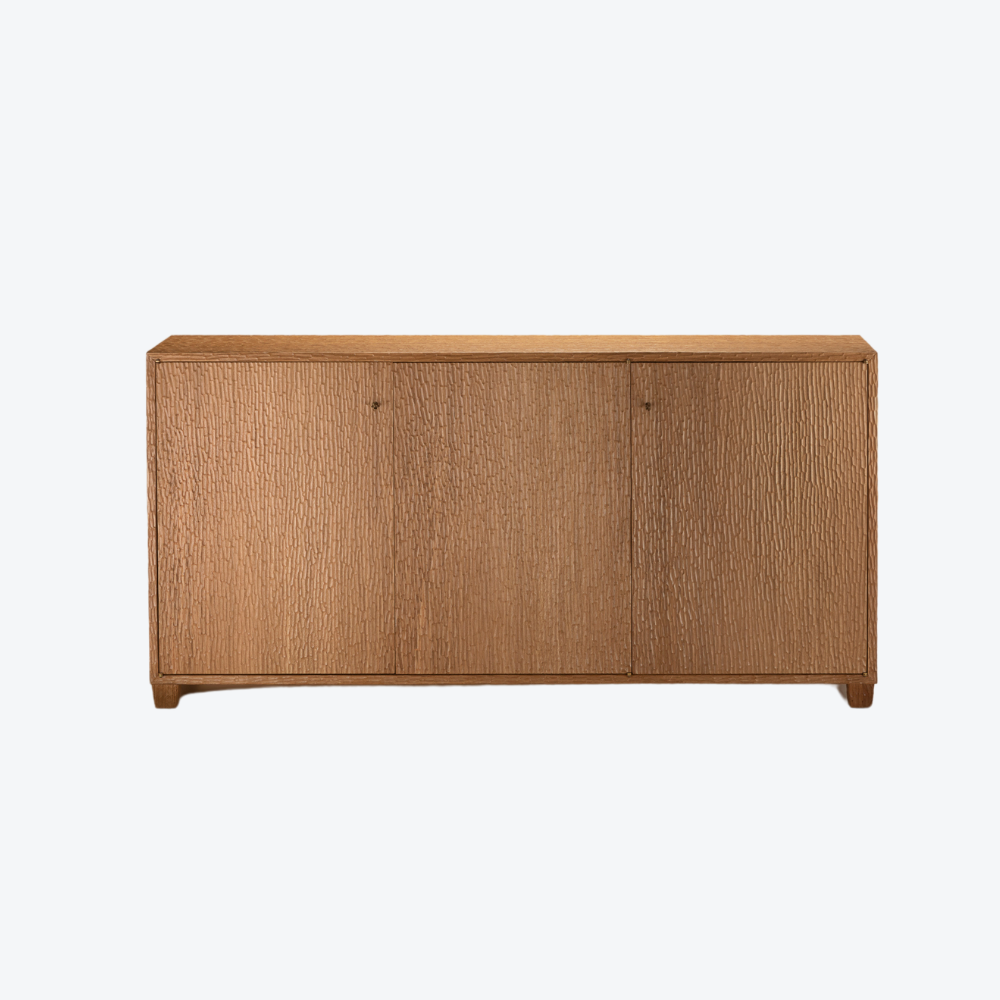
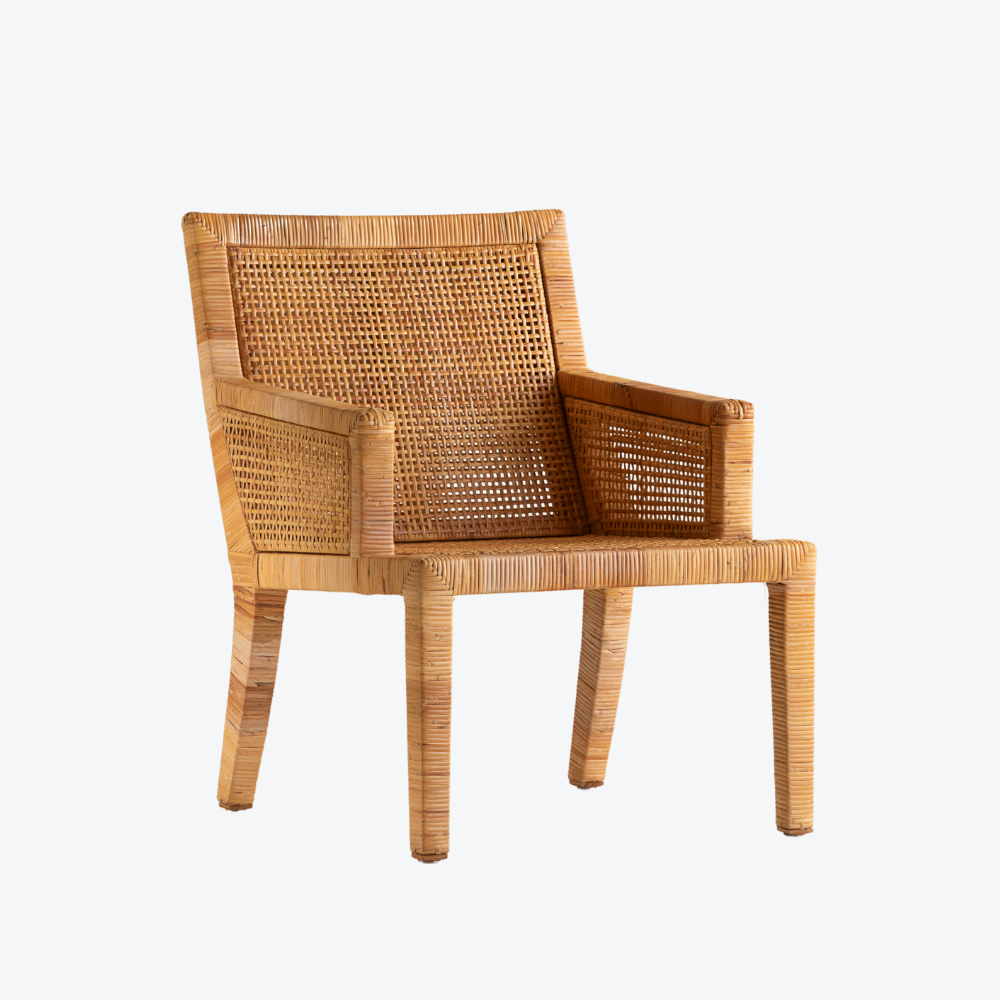
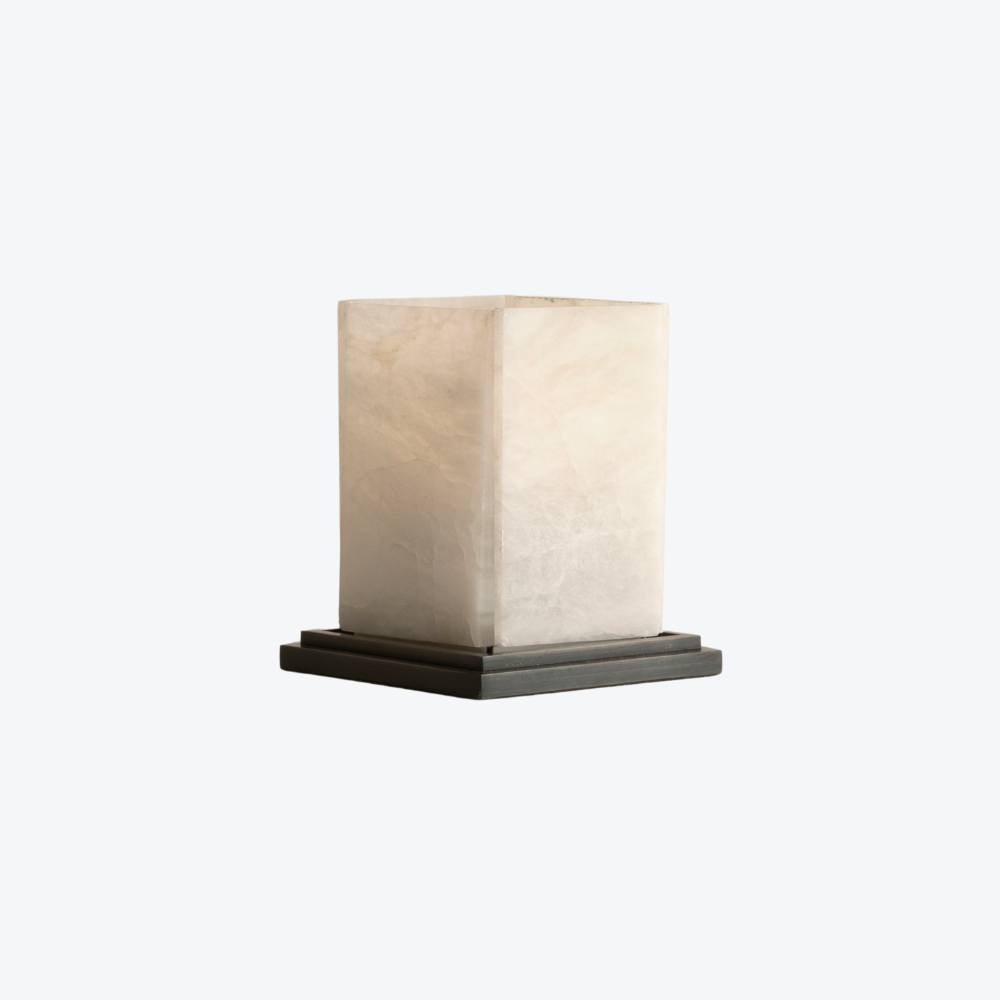
In 1925, Art Deco stepped onto the world stage in Paris—an elegant debut that forever marked the collective imagination. This ‘debutante ball’ was officially known as the Exposition Internationale des Arts Décoratifs et Industriels Modernes. Though inspired by an earlier Italian exhibition from 1902, Paris elevated the event to dazzling new heights, transforming the vast grounds of the Esplanade des Invalides into a showcase rivaled only by the past splendors of the Exposition Universelle of 1889.
Artists and designers from Europe, Asia, and Africa unveiled stunning pavilions celebrating all forms of applied arts and innovation. Fantastic, ephemeral constructions became the poster buildings for genius and craftsmanship, welcoming visitors from all over the world. People wandered through the esplanade’s alleys in awe, discovering the lavish Pavillon du Collectionneur by Ruhlmann, the visionary Esprit Nouveau by Le Corbusier and Jeanneret, the sleek tower housing the Bureau of Tourism by Mallet-Stevens, and even the glamorous Pavillon de l’élégance, a fashion haven harboring creations by Jeanne Lanvin, Worth, Hermès, and Cartier. Then, crossing the Seine, visitors would enter the Grand Palais to find rows of shopping counters—pop-up stores ante litteram—brimming with handcrafted items, ranging from decorative objects to tableware and fashion accessories. This landmark event officially sealed the indissoluble bond between the Art Deco movement and les arts décoratifs, establishing Art Deco as the ultimate most accomplished expression of the exceptional savoir-faire that made it possible. By official accounts, 16 million people visited the exhibition—an incredible number when you consider that in 2024 ‘only’ 14 million visited the Louvre. But there is more to the story than meets the eye. Behind the glamorous façade of unity among the French designers, a subtle game of power was at play: on the one hand, traditionalists like Ruhlmann were still viewing interior decoration as an expression of extreme opulence and wealth, whereas the new guard, led by an uncompromising Le Corbusier, wanted a revolution — both a societal shift and a new form of lifestyle. These contrasting ideas were exemplified by the design schemes and décor of some pavilions.

Le Pavillon du Collectionneur, also known as Pavillon Ruhlmann, stood as a paragon of Art Deco elegance and craftsmanship. Designed by architect Pierre Patout with interiors by renowned decorator Jacques-Émile Ruhlmann, the pavilion epitomized the luxurious and refined aesthetics of the era. The pavilion’s architecture embraced classical traditions, featuring an elegant façade adorned with bas-reliefs by sculptor Joseph Bernard. Notably, the garden-facing entrance showcased a door crafted by Edgar Brandt, surmounted by Bernard’s bas-relief titled La Danse.
Inside, the pavilion presented a series of meticulously curated rooms, each reflecting the harmonious integration of architecture, furniture, and decorative arts. The Grand Salon was a monumental space exuding sophistication. Beneath a domed ceiling painted by Rigal, the walls were draped in pink damask adorned with motifs of large vases, garlands, draperies, and birds, designed by Stéphany and produced by Cornille Frères. Ruhlmann furnished the room with dark-toned pieces, including a grand minister’s desk and the Fontane chiffonier. A blue-dominated carpet complemented the pink damask, while a voluminous crystal chandelier and matching wall sconces illuminated the space. In the Dining Room, the walls were covered in brown tones and adorned with large tapestries. Substantial furniture pieces, such as a buffet, sideboard, and an elongated table with rounded supports, occupied the room, embodying the robust elegance characteristic of Ruhlmann’s designs. The Boudoir, an intimate space, featured green and gold painted paneling sculpted by Charles Hairon. The centerpiece was a cylinder desk, designed by Ruhlmann in 1923 and crafted from Macassar ebony and ivory, resting upon a custom rug also designed by Ruhlmann. The pavilion also displayed works by other notable designers and artists including furniture pieces by Henri Rapin and Francis Jourdain, metalwork by Edgar Brandt and Jean Puiforcat, ceramics by Émile Decoeur and Émile Lenoble, and glass creations by François Décorchemont. The Pavillon du Collectionneur was celebrated for its cohesive and exquisite presentation, encapsulating Ruhlmann’s signature.

For the Pavillon de l’Ambassade Française, the idea was to bring together many of the great names of the time, as it stood as a testament to the collaborative genius of France’s leading designers and architects. Conceived as an idealized French embassy, this pavilion showcased the epitome of French Art Deco through meticulously curated interiors, each reflecting the distinct vision of its creator. The pavilion’s architecture was orchestrated by Louis-Hippolyte Boileau and Léon Carrière, who provided a harmonious backdrop for the diverse interior spaces. The design emphasized elegance and modernity, aligning with the overarching themes of the 1925 exposition. Each room within the pavilion was entrusted to a prominent designer, resulting in a rich tapestry of styles unified under the Art Deco movement. Serving as the pavilion’s entrance, the hall was designed by Robert Mallet-Stevens, setting a modern and sophisticated tone for the spaces that followed. The Salon de Réception, a grand reception room, exemplified Jean Rapin’s refined aesthetic, featuring luxurious materials and intricate detailing that embodied the opulence of French Art Deco. Georges Chevalier’s dining room was characterized by its elegant furnishings and harmonious color palette, creating an inviting atmosphere for diplomatic gatherings. The ineffable André Groult (a friend of Frank and Paul Poiret, and grandfather of Lison de Caunes) designed the Chambre de Madame, the ambassadress’s bedroom. Notably avant-garde, it featured an iconic anthropomorphic chiffonier in shagreen and a bergère upholstered in plush velvet, blending functionality with sculptural artistry. Pierre Chareau designed the Bureau-Bibliothèque, an office-library regarded as a masterpiece of spatial design. Set on a circular plan beneath a dome supported by two pillars, the space was illuminated by a fan-shaped partition. Walls paneled in palm wood concealed bookshelves, and the centerpiece was a faceted desk accompanied by a chair, all resting on a custom rug designed by Jean Lurçat. The Fumoir, the smoking room, crafted by Francis Jourdain, provided a masculine retreat adorned with rich woods and subdued lighting, reflecting the era’s social customs. The pavilion also featured an array of furniture pieces by Jules Leleu, and other significant artistic contributions including two tympani titled Pastorale and Courtisane, sculpted by Raymond Delamarre, adding a classical touch to the modern interiors. A selection of artworks and two large reliefs in the Hall de Collection, a space serving as a museum room, emphasized the integration of fine art within functional spaces.

For something completely new, people turned to the fascinating construction of Le Corbusier and Pierre Jeanneret, his cousin and close collaborator. Titled Pavillon de l’Esprit Nouveau, it stood as a radical statement of modernist principles, starkly contrasting with the prevailing Art Deco style of the exhibition. Looking at the architectural design and layout, we can see that all of Le Corbusier’s principles were already fully defined. The pavilion was conceived as a prototype for modular urban housing, embodying the architects’ vision for high-density yet comfortable living spaces. The structure was a stark white, cubic form with an “L”-shaped plan, enclosing a spacious terrace.
Fun fact: an existing tree was integrated into the design, emerging through an opening in the roof, symbolizing harmony between nature and architecture.
Inside, the pavilion showcased a two-story dwelling unit reflecting Le Corbusier‘s concept of the Immeuble-Villas. The ground floor featured a double-height space serving as a living room, workshop, and lounge, emphasizing openness and flexibility. The kitchen was compact and functional, designed for efficiency. The upper floor housed private quarters, including bedrooms and a bathroom, maintaining the minimalist aesthetic. Le Corbusier and Jeanneret furnished the interior with pieces that underscored their commitment to functionality and mass production, introducing standardized furniture such as wooden “standard lockers” and tables with chromed tubular steel frames and wooden or varnished metal tops, exemplifying industrial production methods. Cabinets and shelves were integrated into the architecture, reducing the need for decorative furnishings and promoting uncluttered spaces. The walls featured purist and cubist artworks, aligning with the pavilion’s modernist ethos.
Adjacent to the living unit, a rotunda housed a diorama showcasing Le Corbusier‘s urban planning proposals: the Plan for a Modern City of 3,000,000 Inhabitants, a vision for organized, high-density urban living, and the Plan Voisin, a controversial proposal to replace parts of Paris with cruciform skyscrapers and green spaces, reflecting ideas of urban renewal. The pavilion’s stark functionalism and rejection of ornamentation were met with resistance from the exhibition organizers, who attempted to obscure it with a fence—a move overturned by the Ministry of Fine Arts. Despite initial controversy, the Pavillon de l’Esprit Nouveau profoundly influenced modern architecture, epitomizing the shift towards minimalism, standardization, and the integration of industrial techniques in residential design.

Unfortunately, all these amazing buildings were dismantled; the only traces left are some remarkable archival photos and drawings. In some instances, there were efforts to rebuild them — including the Esprit Nouveau pavilion, for which a faithful replica was constructed in Bologna, Italy, in 1977 — underscoring its enduring significance in architectural history. But the memory and impact of that unique exhibition have never left the collective imagination, inspiring generations of designers and decorators who, even today, continue to draw from that same spirit of savoir-faire, applied arts, and creativity for their contemporary projects. And it’s that same spirit that defines Invisible Collection’s ethos and unique French aesthetic — picking up where the likes of Ruhlmann, Chareau, and Frank left off. Now, a century later, France prepares to celebrate the legacy of this remarkable moment with countless events, including the first Bal d’été, a summer ball hosted by the Musée des Arts Décoratifs under the artistic direction of Sofia Coppola. With this ball scheduled on the eve of Couture Week, the story comes full circle. Ultimately, just as the 1925 exhibition showed the possibility of conceiving decors and furniture that, in the words of Jean-Michel Frank, “lived with their time,” today, Invisible Collection shapes a new way to live with design.