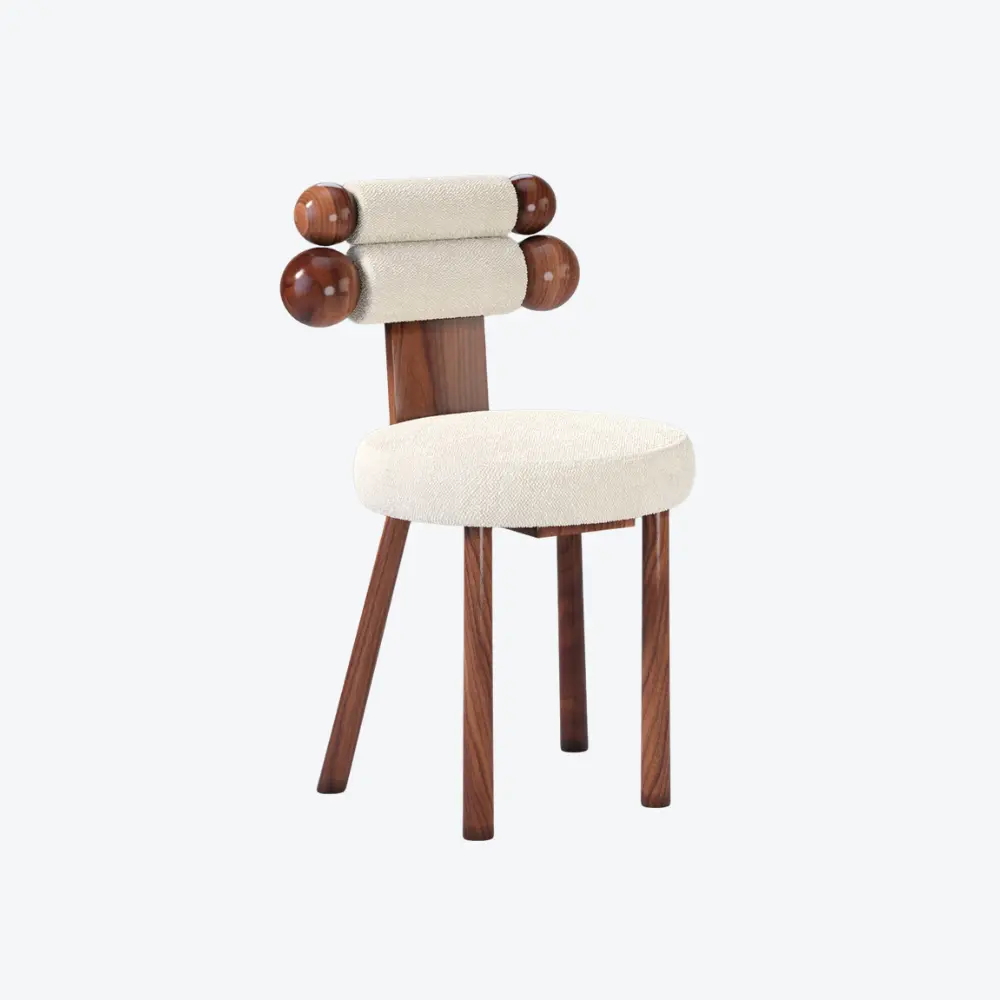
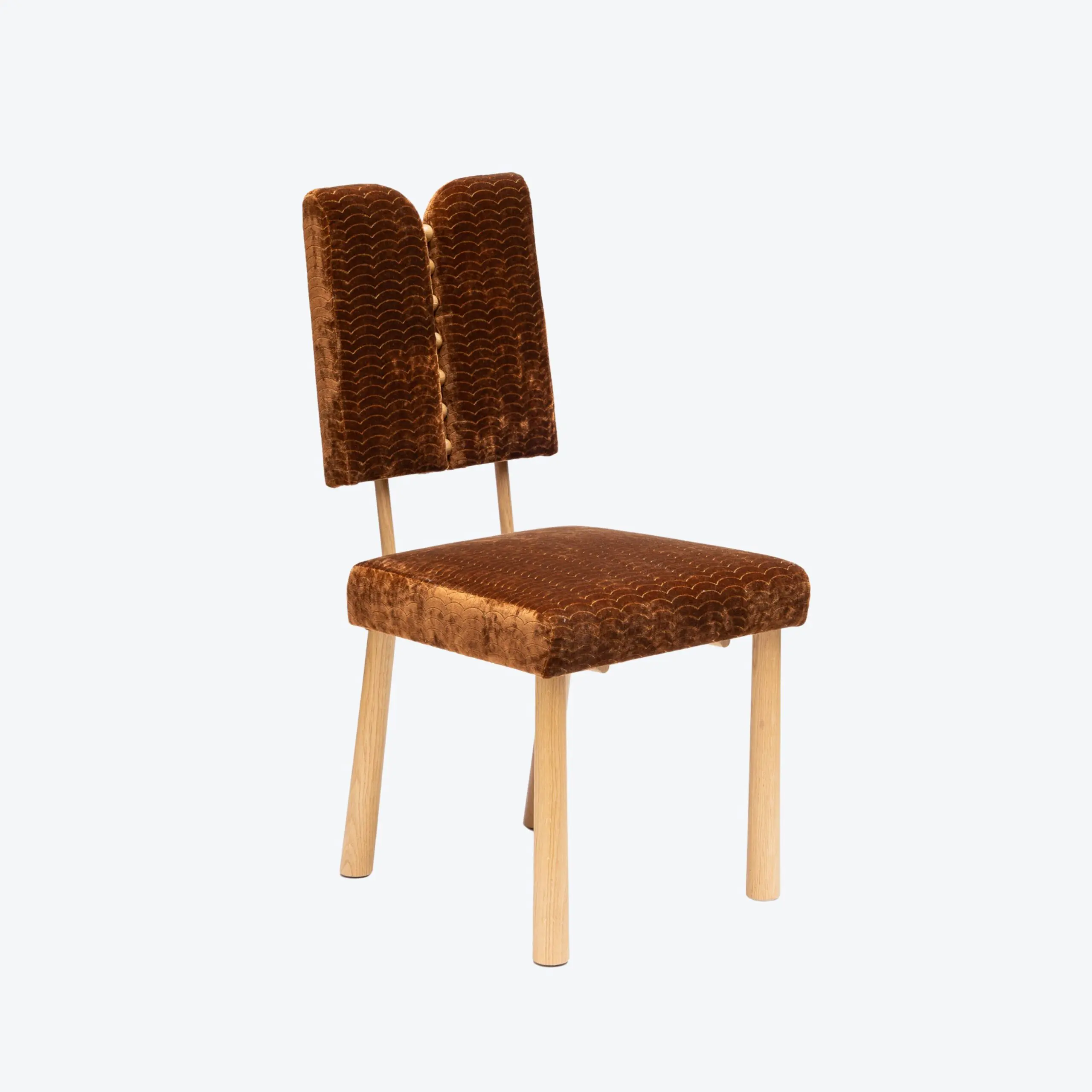
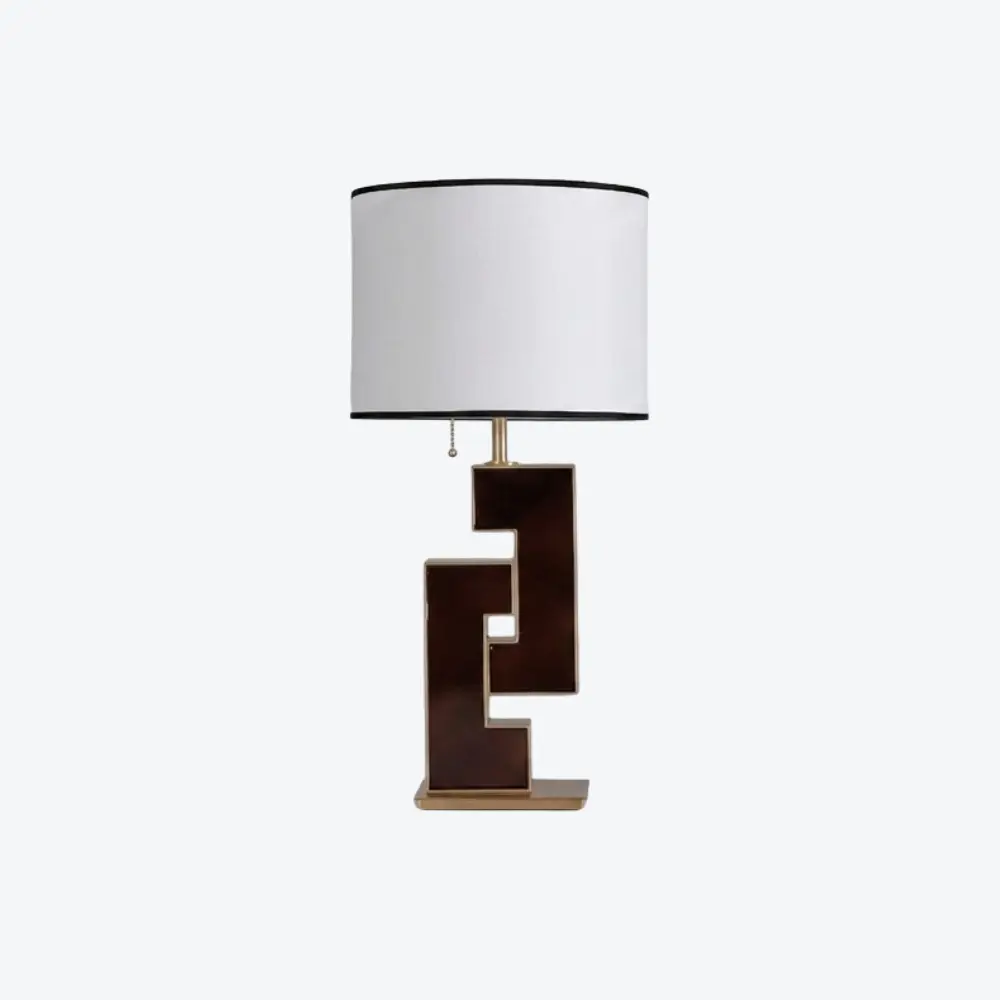
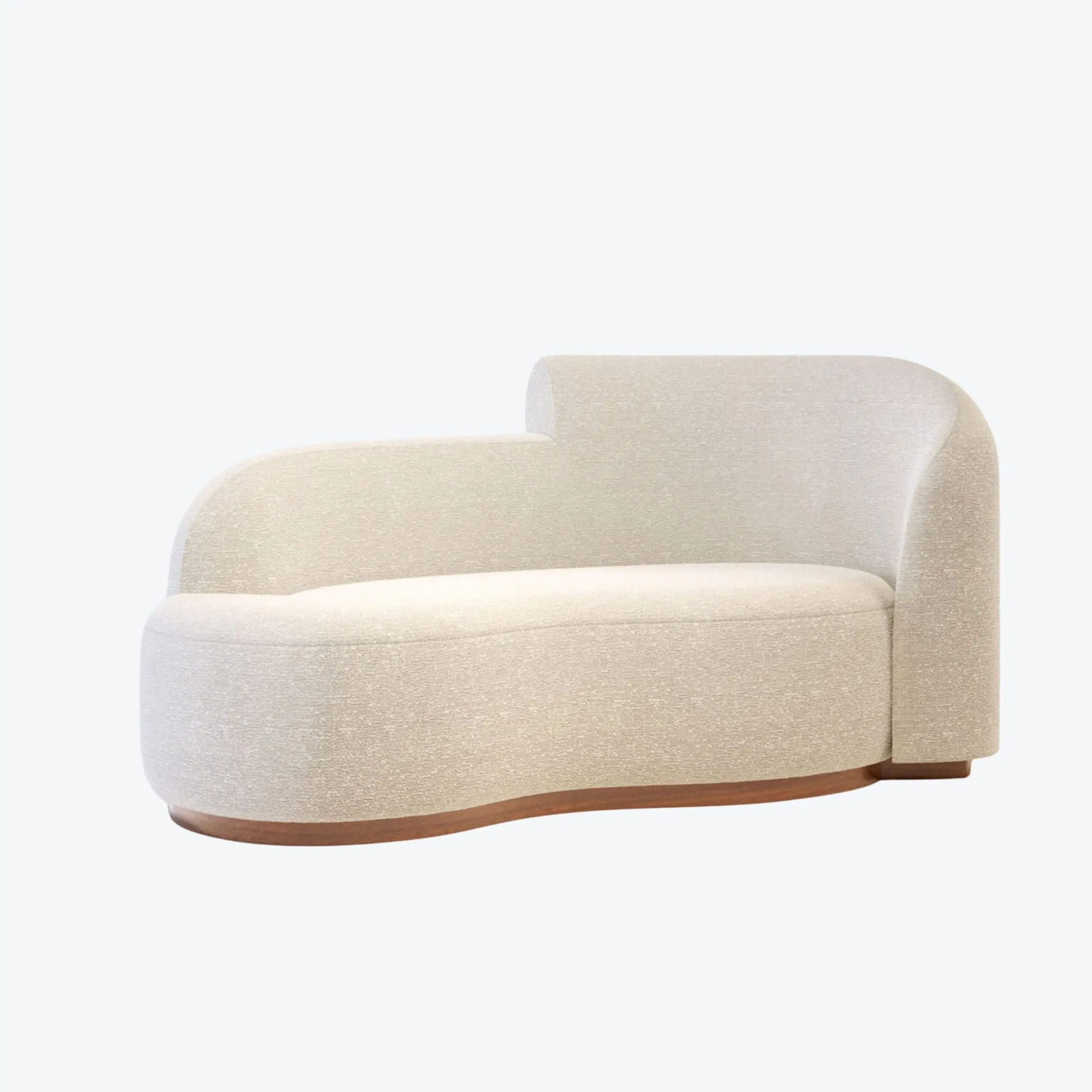
Acting as an ensemblier, Invisible Collection has brought together two singular voices in the world of interior design for Roomscapes, a new exhibition opening on 14 May, as New York City buzzes with TEFAF, Frieze and Oui Design!, the event helmed by Villa Albertine. The exhibition holds a special place in the story of Invisible Collection, marking the beginning of our tenth-anniversary celebrations. Our Upper East Side townhouse gallery has been transformed through a new scenography: the same warm, distinctive sophistication, now expressed through an entirely new composition of designs, objects and atmospheres. Each room is conceived as a tableau, evoking intimate and inviting settings, as though visitors were stepping into a collector’s home where art and design coexist naturally. On one floor, “Rooms of Wonder. An Italian Perspective by Droulers Architecture”, the New York debut of Droulers Collezione, the fantastic furniture collection available exclusively through us. Virginie and Nathalie Droulers need no introduction. Their signature is a delicate alchemy of history, culture, and fantasia. Whether designing an exceptional residence in Switzerland or a superyacht sailing the Mediterranean, their work reflects a deep understanding of fine craftsmanship, a bold use of color, and richly textured atmospheres inspired by the fairytale-like surroundings of their upbringing at Villa d’Este, the world-renowned 16th-century estate on Lake Como owned by their family. Their layered approach to interior storytelling and wondrous juxtapositions subtly nods to the legendary Renzo Mongiardino, whose mastery of illusion and historical grandeur continues to inform the sisters’ evocative aesthetic, shaped by the dreamlike world of their upbringing and their passion for Ponti and Portaluppi.


Regarded as one of the world’s most sought-after studios, Droulers Architecture’s projects reflect a deep understanding of fine craftsmanship, a bold use of color, and richly textured atmospheres. For Rooms of Wonder, the exhibition’s setting has been conceived as though we were stepping into Virginie Droulers’ home. The sofas and ottomans, all dressed in Dedar, exude plush conviviality; even the name of one sofa itself, Bouge-toi — “move over” in English — is a playful take on modularity and the very Italian art of hospitality, always making room for one more guest. The striking Conversation coffee table, too, sets the tone with its name: what better title for a conversation-sparking design composed of a bamboo-like brass structure supporting a top upholstered in Dedar fabric, centered with a geometric brass inlay? Illustrating the Droulers’ refined ability to balance the contemporary with a carefully selected touch of vintage is a unique 1970s bar by Willy Rizzo, set against a bespoke wood backdrop inlaid with mirror shards. In another room hangs a one-of-a-kind panel of textile marquetry, embroidery, and appliqué, specially created in India by House of Kandadu. The overall feeling is one of free, painterly vision with a touch of dreamy erudition.


On another floor, through the scenography of Maison Leleu, visitors step into the realm of hard-core art deco where ambiance is not historical reconstitution but all about cultural continuity between the 1920s and the present day. Art Deco has rarely felt more alive or relevant than in this setting, where iconic designs by Jules Leleu are reinterpreted with a contemporary sensibility — preserving the maison’s DNA while renewing its expression. Now under the direction of Alexia, great granddaughter of Jules Leleu, the maison boasts a glorious past. A contemporary of Ruhlmann and Frank, Leleu’s big breakthrough came in 1925, during the Exposition Internationale des Arts Décoratifs et Industriels Modernes, the seminal event that marked the official debut of what we now call the Art Deco style. The young, then little-known Leleu made quite an impression creating the entire set of a dining room and other furniture pieces — some of which are now preserved in historic collections, including the Met’s. Tapping into the fantastic archival well she inherited, Alexia Leleu creates for the future. The designs on show balance the signature detailed richness of the Maison with a contemporary sensibility: preserving the Maison’s DNA while renewing its expression. Exquisitely crafted, the tables and lamps evoke familiar geometric forms, yet appear entirely new when set against a collection of seating revisited by Alexia, defined by sweeping lines, sophisticated details, and exclusive fabrics by Dedar.
The exhibition is punctuated by art objects, including unique ceramics by Rosi Mistou alongside works from the three laureates of the 26th edition of the Prix Liliane Bettencourt pour l’Intelligence de la Main®. This reinforces the strong bond between Invisible Collection and the Fondation Bettencourt Schueller, reaffirming a shared commitment to supporting exceptional craftsmanship and promoting the richness of French artisanal traditions to an international audience. The three laureates are Jean-Brieuc Chevalier, presenting a mirror with hand-embroidered details; Elodie Michaud and Rebecca Fezard, presenting the Leatherstone© coffee table made from recycled leather offcuts; and the Musée de la Nacre et de la Tabletterie, presenting objects crafted from mother-of-pearl, including a set of dominos.
Come and visit us in New York to experience in person “Roomscapes” and discover the stunning designs available exclusively through Invisible Collection.