It seems only yesterday that The Economist was anointing Dubai as the next exciting place for art and design. The date was 2006, and the article announced the launch of what would become Art Dubai, quoting an expert suggesting “a pattern through history: in the 1920s New York was the centre of the art world, in the 1980s it was Japan. Looking at the demand we’ve seen here, the Arab world could be next.” We won’t argue with that: in just two decades, Dubai and the whole region have bloomed, boasting a calendar full of exciting art and design events and fairs, including the latest addition, Frieze Abu Dhabi, opening on 19 November 2026. So, at this new artistic crossroads, full of energy and promise, it seemed only fitting that Invisible Collection put down roots. The cultural calendar offers ample evidence of that creative energy. In May, Art Dubai celebrated its twentieth anniversary with a special edition at Madinat Jumeirah. Bringing together commercial galleries, artists and cultural institutions, the fair explored the region’s artistic history while making room for emerging voices. Highlights included the Barjeel Art Foundation’s presentation of modern Arab art, works drawn from the Dubai Collection, and the twentieth Global Art Forum, alongside commissions, performances and moving-image projects.

Now, in November, the focus shifts to Dubai Design Week, running from 3 to 8 November 2026 in Dubai Design District (d3). The twelfth edition explores design’s ability to connect people, places and ideas through installations, exhibitions, workshops and conversations. Downtown Design, its flagship fair, takes place from 4 to 8 November, bringing together international design houses and regional studios. Elsewhere, the UAE Designer Exhibition takes Inherited Futures as its theme, examining how traditional materials, practices and rituals can be reinterpreted for today. Later in the month, World Art Dubai, boasting a broad mix of independent artists and galleries, will open its doors for its twelfth edition. Together, these distinct moments in the year tell a larger story about Dubai: a city where art, architecture and design increasingly share a common vocabulary. And beyond the main fair venues, that conversation continues year-round in Alserkal Avenue. Located in Al Quoz, a former industrial neighbourhood, Alserkal Avenue offers an intriguing counterpoint to the city’s celebrated towers. Warehouses have become galleries, studios, an independent cinema and places to meet, giving the district a more intimate, exploratory character. The transformation is perhaps best embodied by Concrete, the multidisciplinary arts space designed by OMA, which reimagined four industrial warehouses as a flexible cultural venue. In a city known for monumental newness, Alserkal celebrates adaptation and continuity.


Among its longstanding cultural residents is Waddington Custot, whose Dubai gallery opened in 2016. It is here that Invisible Collection is beginning a new residency to mark its own tenth anniversary. The premise is both simple and ambitious. As ensemblier in residence, Invisible Collection will curate Waddington Custot’s spaces as though they were a collector’s home, allowing exceptional furniture and art to inhabit the same setting. Rather than treating a design object as an isolated piece, the residency places it in a living conversation with painting and sculpture. It is an approach rooted in the belief that collectible design, like art, possesses meaning, lasting value and the ability to shape the way we live. For the inaugural presentation, that dialogue unfolds alongside a solo exhibition by French abstract painter Fabienne Verdier. Drawing on her knowledge of Chinese painting and calligraphy as well as Western abstraction, Verdier has developed an intensely physical practice. Using monumental, custom-made brushes suspended from above, she guides pigment across the canvas in sweeping, expressive gestures. Her lines seem to register an instant of movement, but they also reveal years of research, discipline and technical mastery.

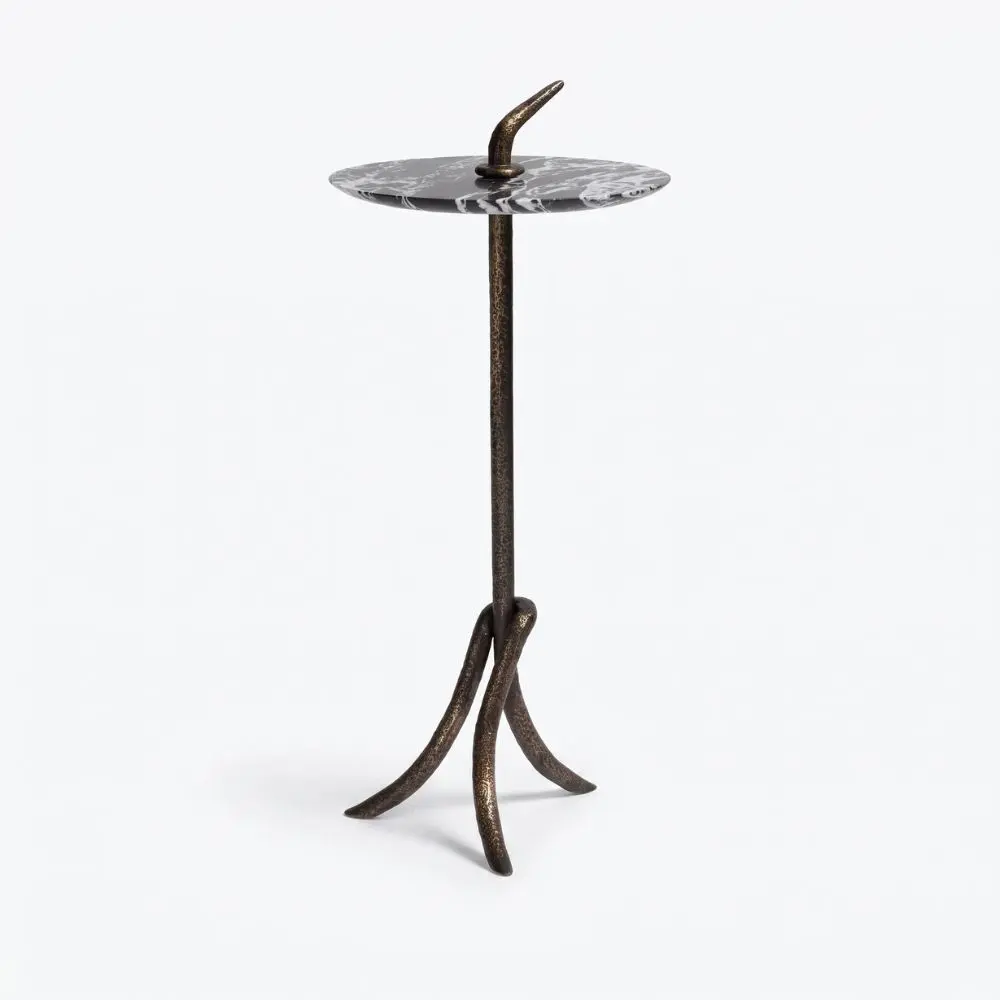
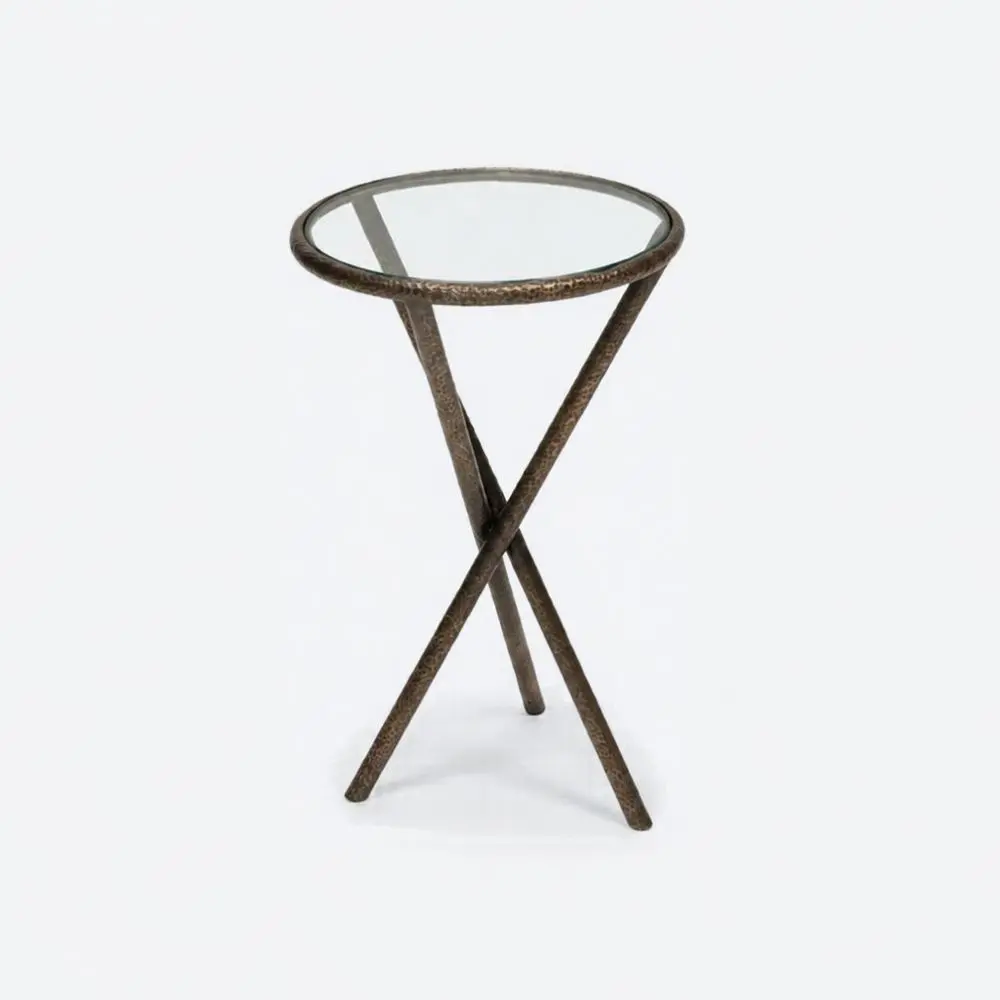
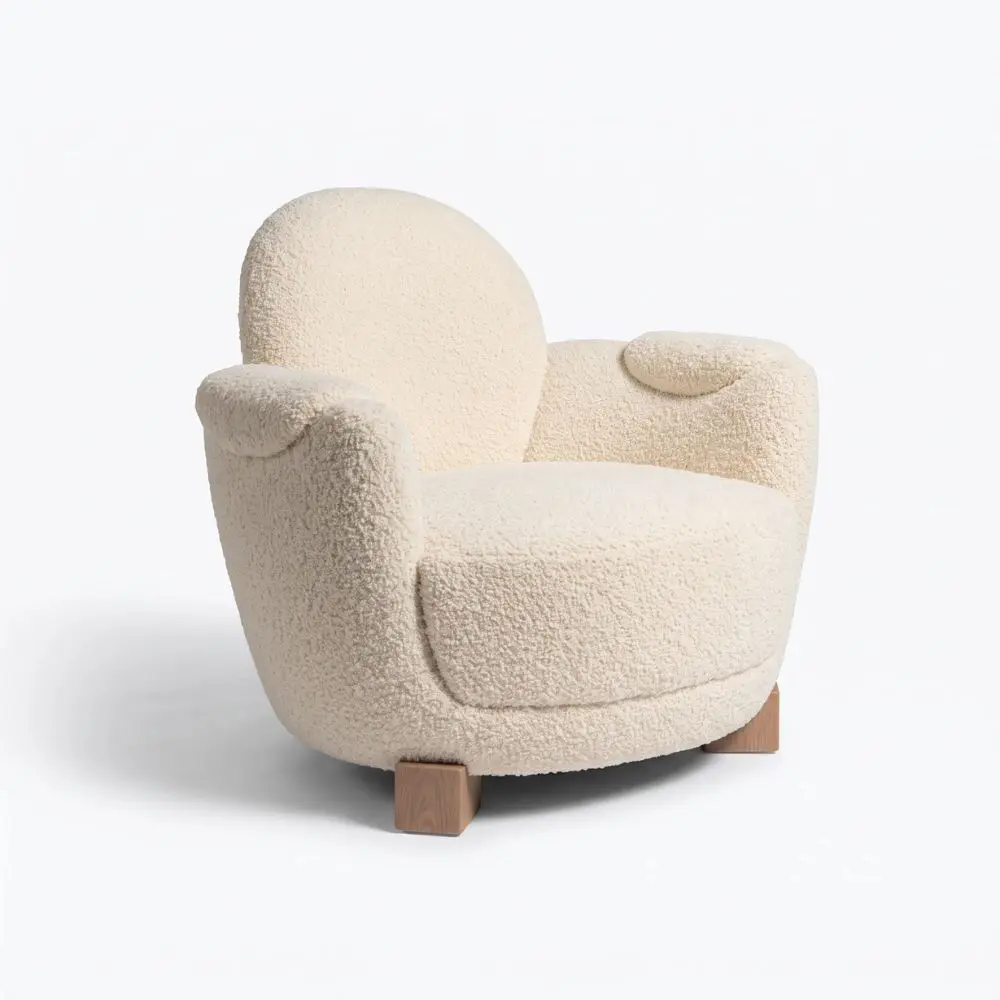
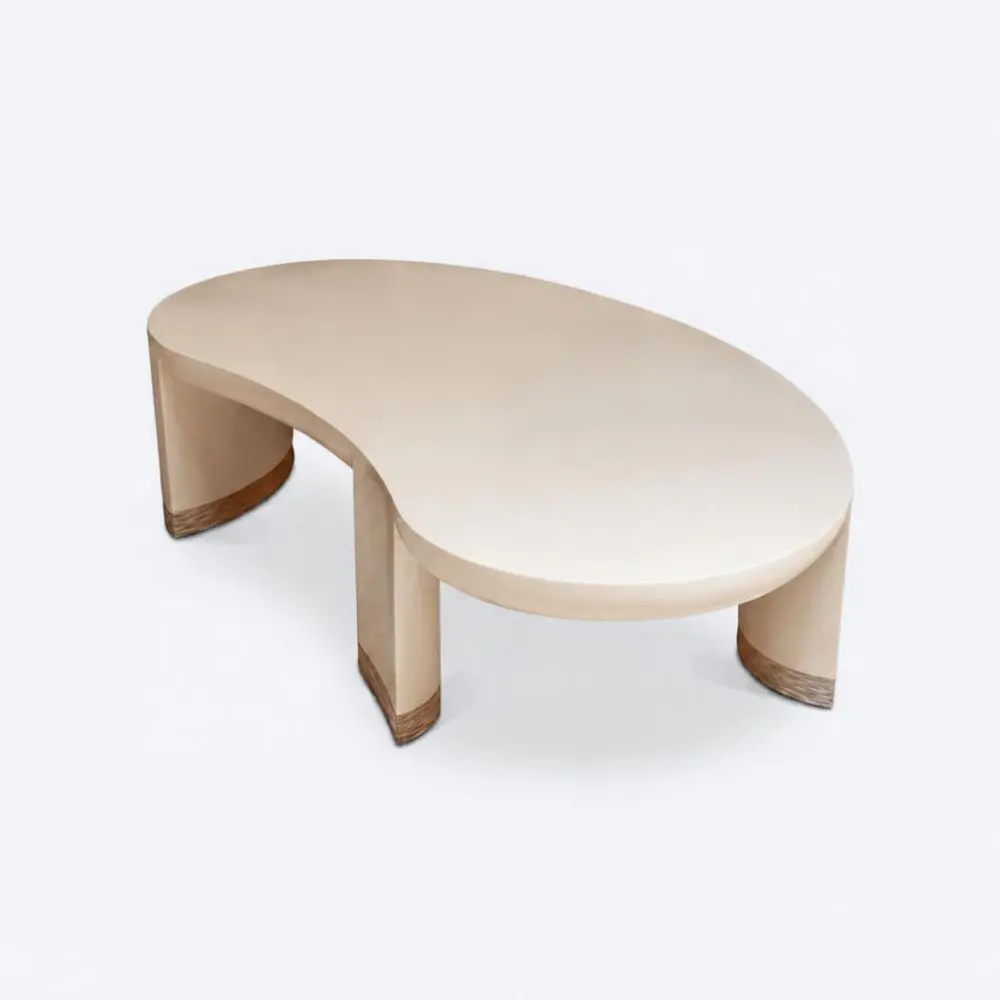
The furniture curated by Invisible Collection responds to this powerful sense of material and gesture. Designs by Leo Sentou and pieces from the Jacques Doucet collection foreground the intelligence of the hand and the vitality of traditional craftsmanship. The spectacular Orion Incense Table by Oud Architecture introduces another cultural inflection, bringing Art Deco references into dialogue with an aesthetic inspired by the Middle East. Across the installation, materials, techniques and artistic influences meet without losing their distinct identities.
It is a particularly apt expression of Invisible Collection’s founding vision. Since the beginnings, we have championed contemporary talent and the collectible design of tomorrow, while celebrating the exceptional savoir-faire inherited from the decorative arts. The new residency extends that mission —passion! — to a community of collectors and art enthusiasts in the Middle East, inviting visitors to experience furniture not simply as something to admire, but as something with which to live.
For Invisible Collection, Dubai is is an opportunity to open a conversation across disciplines, traditions and cultures, in a city that embodies the same creative tension at the heart of what we do.