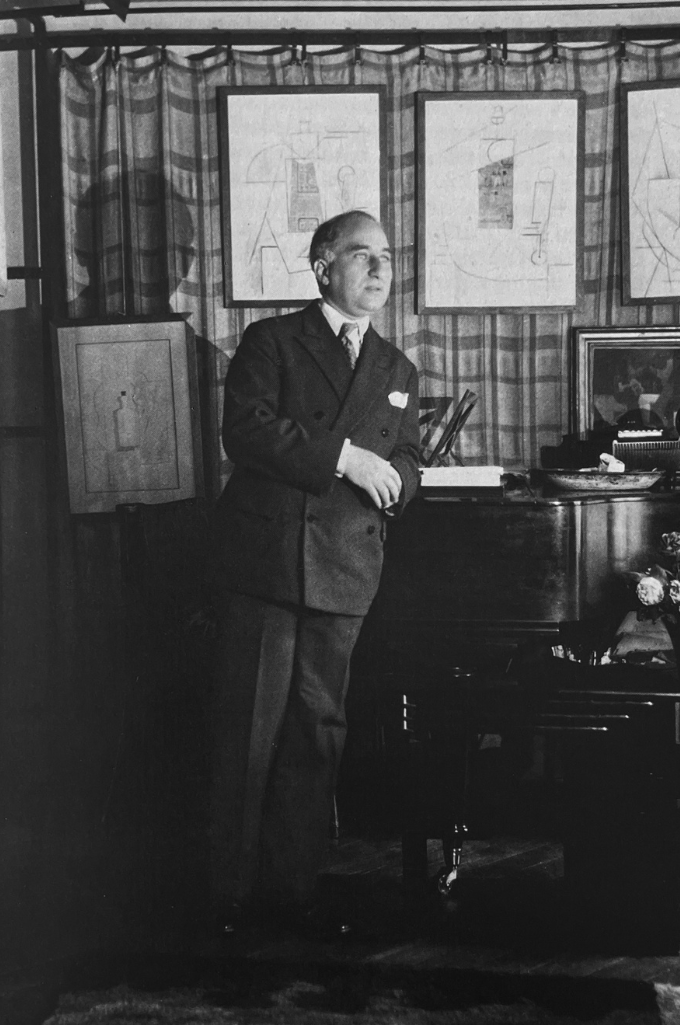
For any architect or design enthusiast, La Maison de Verre is a true must-know. Built in Paris between 1928 and 1932, this groundbreaking work is an architectural jewel of metal, glass blocks, and concrete, where open-plan interiors announced a new way of inhabiting space. Like some of his esteemed peers, Chareau aimed at authoring a Gesamtkunstwerk, a German word that roughly translates as a “total work of art,” describing the creative process where different art forms are combined to create a single cohesive whole. Hence the iconic furniture pieces and lighting fixtures that the French maestro designed specifically for this home. Combining industrial materials with traditional craftsmanship, these designs were a feat of flexibility and practicality and, ultimately, an ode to sophistication.
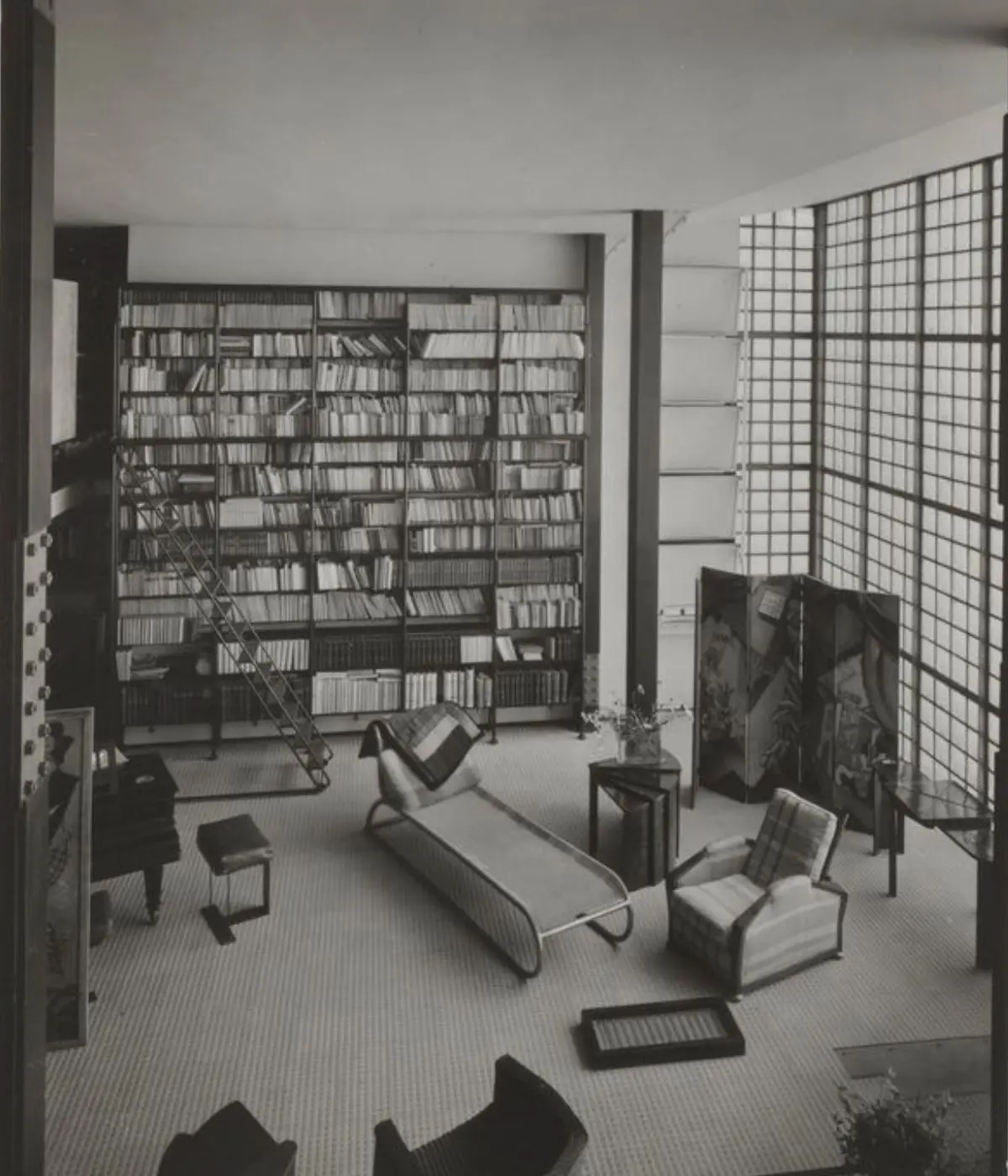
Besides its undisputed qualities and beauty, this house continues to fascinate and inspire contemporary architects to generate new aesthetic qualities from modern materials. In other words: how do you transform a material that is considered unsophisticated or unsuitable into a shining example of novelty and sophistication? This is a crucial point to understand Chareau’s trailblazing role. This house was built in the late 1920s when Arts Décoratifs were all the rage. While Jean-Michel Franck was creating the iconic salon of Marie-Laure de Noailles — a feat of lacquer, exotic woods, and parchment on the walls — Chareau was putting rubber on the floors, glass blocks on the walls, and steel, aluminum, and concrete all around. While in Jacques Doucet‘s home, Studio Saint James, metalsmiths were commissioned to create elegant staircases with intricate elements and embellishments, Chareau was designing the simplest structure you would find in a factory. And on the windows, he put winch handles! In other words, while some of his contemporaries were pushing the applied arts to their very limit, testing where delicate lacquer and precious shagreen could fit, Chareau was fascinated by the possibilities offered by the use of materials that were solid, “poor,” and cheaper. He drew inspiration from factories and public buildings as he saw industrialization as a means to design better living spaces. In a way, he shared the same views as Charlotte Perriand and Jean Prouvé, who both believed that metal, glass, and concrete were not only the symbols of modernity, but also interesting solutions for cheaper, mass production. Unfortunately, in the case of Chareau, this was never the case, as the house is filled with ingenious ideas and solutions that required a lot of specialist —expensive! — work.

Now, on to the furniture and lighting fixtures that Chareau designed over the years, including the many pieces he created specifically for the Maison de Verre. Like the house, these designs, too, are a feat of genius and research on materials. One of his most iconic, most recognizable designs is the Fan Table — the original from the house was sold at auction for 600,000 euros. One cannot help but think of the famous drawing of the aerial screw by Leonardo da Vinci… or the helices of some big turbines in a steel factory. It’s more than just inspiration — it’s Chareau’s visionary approach when designing familiar pieces. The same can be said of a simple, almost modest, desk in wood and metal, designed circa 1927. Its simple frame is all about functionality and subtraction: no superfluous embellishments. This desk is so unpretentious, one could well picture it in an accountant’s office in a big textile factory in the north of France. And yet, one hundred years later, its seemingly elementary yet clever lines exude the same confidence it originally had, standing at the centre of a room in the Maison de Verre.

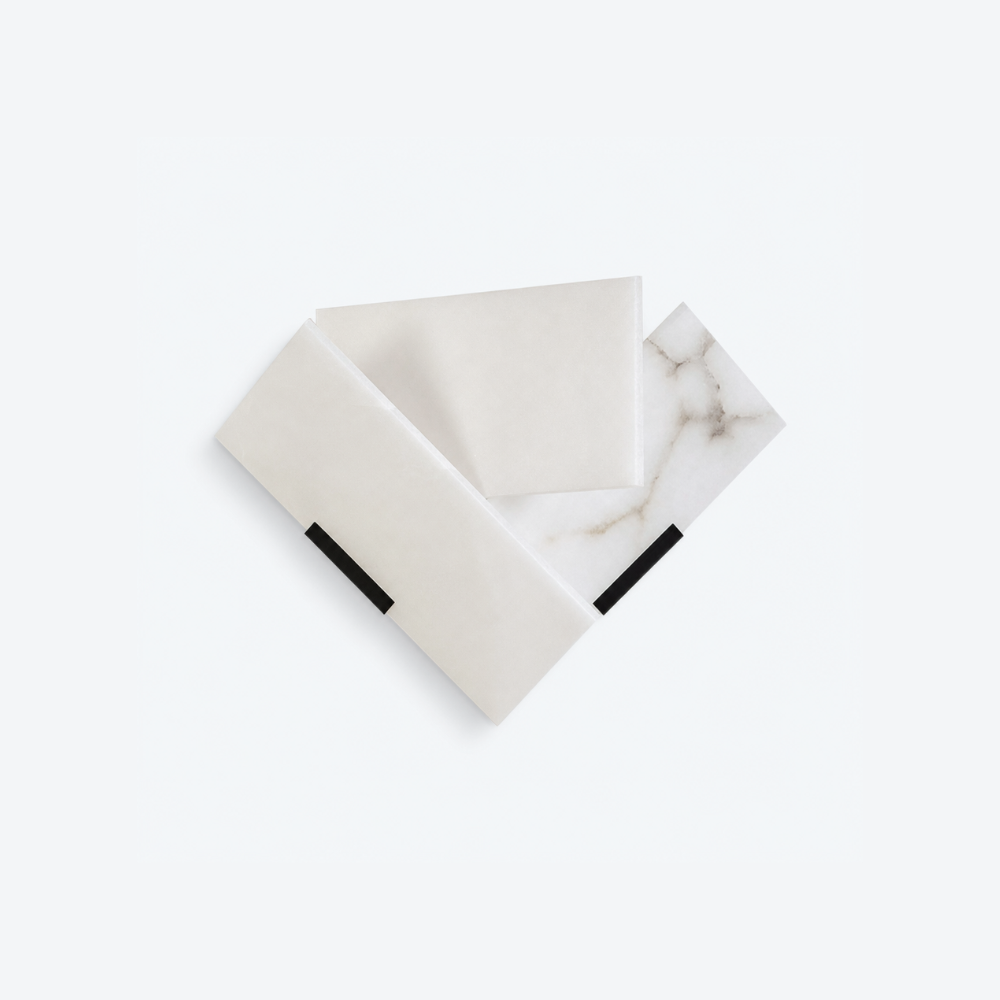
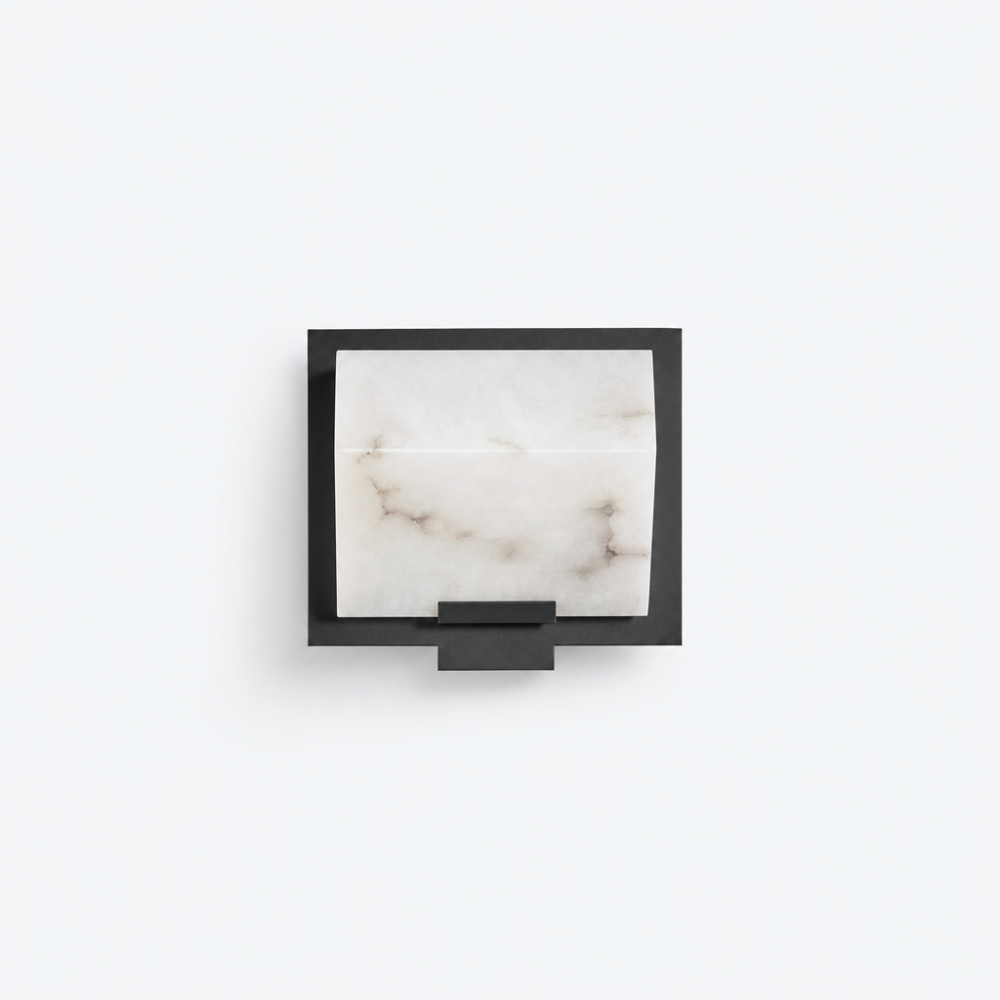
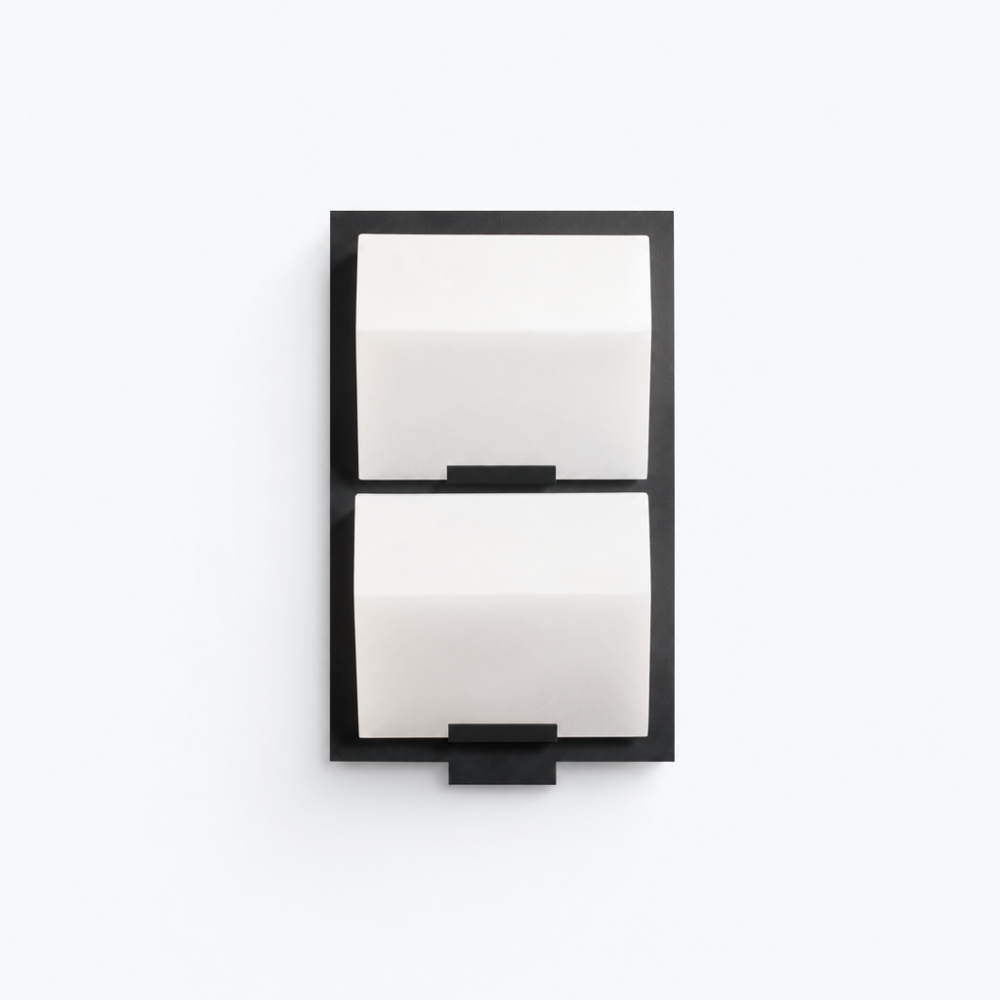
And then, lighting fixtures, the one category where Chareau managed, yet again, to surpass himself. The iconic Religieuse series is inspired by the headdress of nuns, deriving its name from it. The large-size iteration seems to be dancing on the floor, its elongated structure like an evening gown floating under a headdress made of geometric elements in alabaster. Elegant, slightly sensual, and so inventive! The original Nun Floor Lamp sold at auction for $2.1M. This mix of alabaster with either wood or metal inspired Chareau to create many more styles, including the mysterious mask-like Quart de rond (he did have some sort of black humour too, as he played with it and called it Potence, making it look like a macabre, nevertheless chic, gallows). He played, too, with wall sconces, creating the Mouche — pieces of alabaster held together with a tiny inlay of metal, dotting the wall like little flies… These lighting fixtures are a fascinating telling of Chareau’s vision: the industrial aspect of metal, the clever use of alabaster, and a true work of assemblage that evokes Cubism. They were fascinatingly new at the time and are classics today. Chareau’s designs are beautiful, but their value is multiplied by the story they carry, which is one of novelty and vision. And that is exactly why his work remains so relevant today, because it challenges conventions and continues to inspire.
Thanks to the commitment of Galerie MCDE, most of Chareau’s designs are now reissued and are available exclusively through us.