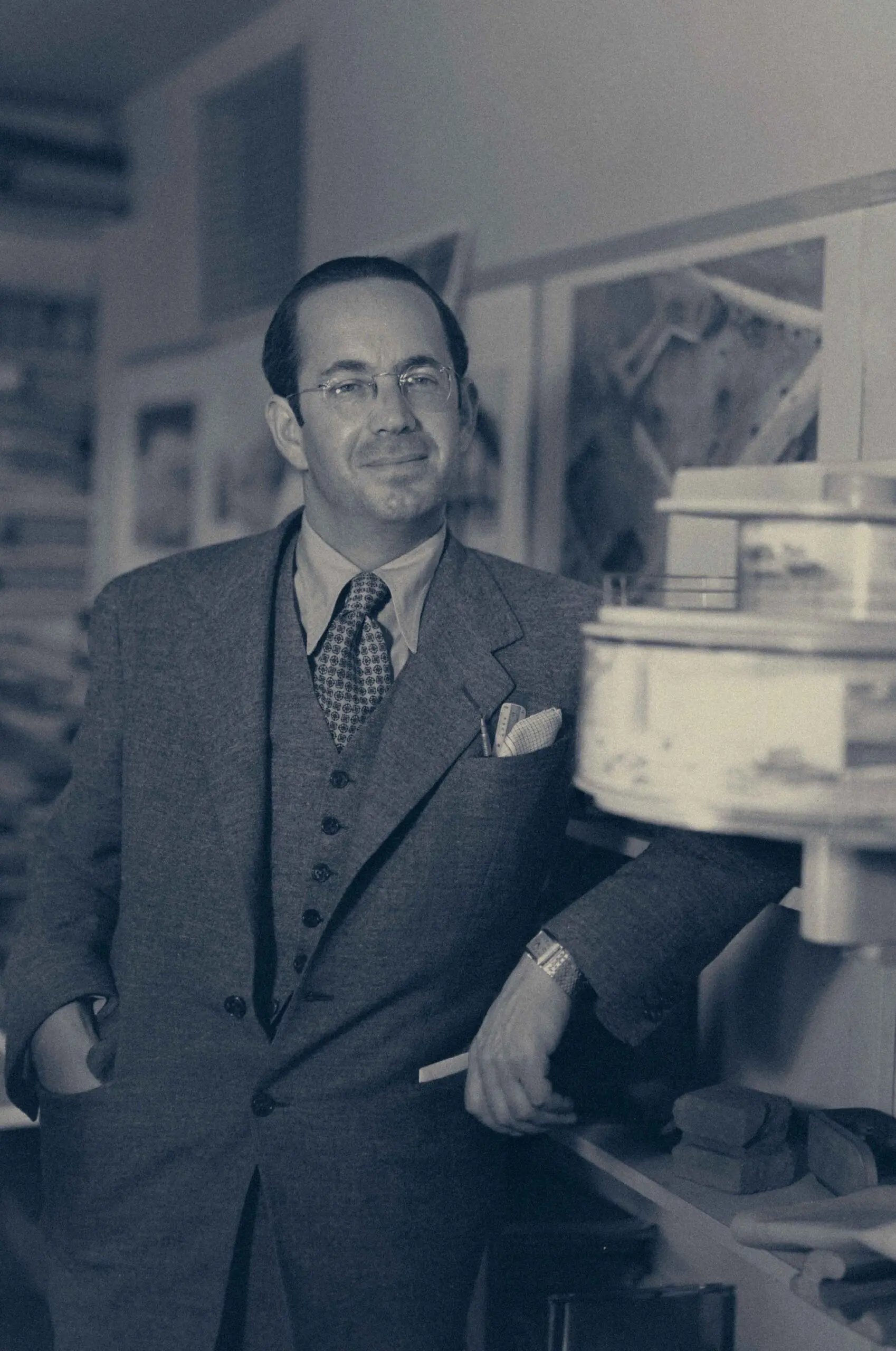
Paul László was born in 1900 in Debrecen, Hungary, and trained as an architect and designer in Stuttgart, where he studied at the National Academy of Fine Arts. His education unfolded at a moment when architecture was in upheaval: younger designers were openly challenging historic styles and calling for a decisive turn toward modernity. Early in his career, László worked in Cologne in the office of German architect Fritz August Breuhaus, an experience that sharpened his sense of precision, luxury, and spatial discipline.
Aged 24, he settled in Vienna, opening his own studio and establishing himself as a leading figure of the interwar architectural scene. Alongside contemporaries such as Hans Stock, Theodor Pfeiffer, and Franz Kuhn, László developed a refined modern language that blended elegance with experimentation. He designed private residences and interiors across Central Europe, including the Kopfensteiner House in Vienna and the Atlantica Bar in Prague, and produced ceramic tile stoves for the Heinsteinwerk company in Heidelberg—objects that translated architectural ideas into the scale of everyday life.
His projects gained international visibility through major design magazines, among them Domus, the influential journal founded by Gio Ponti, as well as Art et Industrie and Innen-Dekoration. These publications positioned László within a cosmopolitan network of architects and designers redefining modern taste across Europe.
With the outbreak of World War II, László’s life took a dramatic turn. He left Europe aboard an ocean liner bound for New York, arriving with little money in his pockets. From there, he relocated to California and established his practice in Beverly Hills, opening a studio on Rodeo Drive. His combination of cultivated European refinement and absolute control over detail quickly attracted wealthy industrialists, political figures, and Hollywood celebrities.
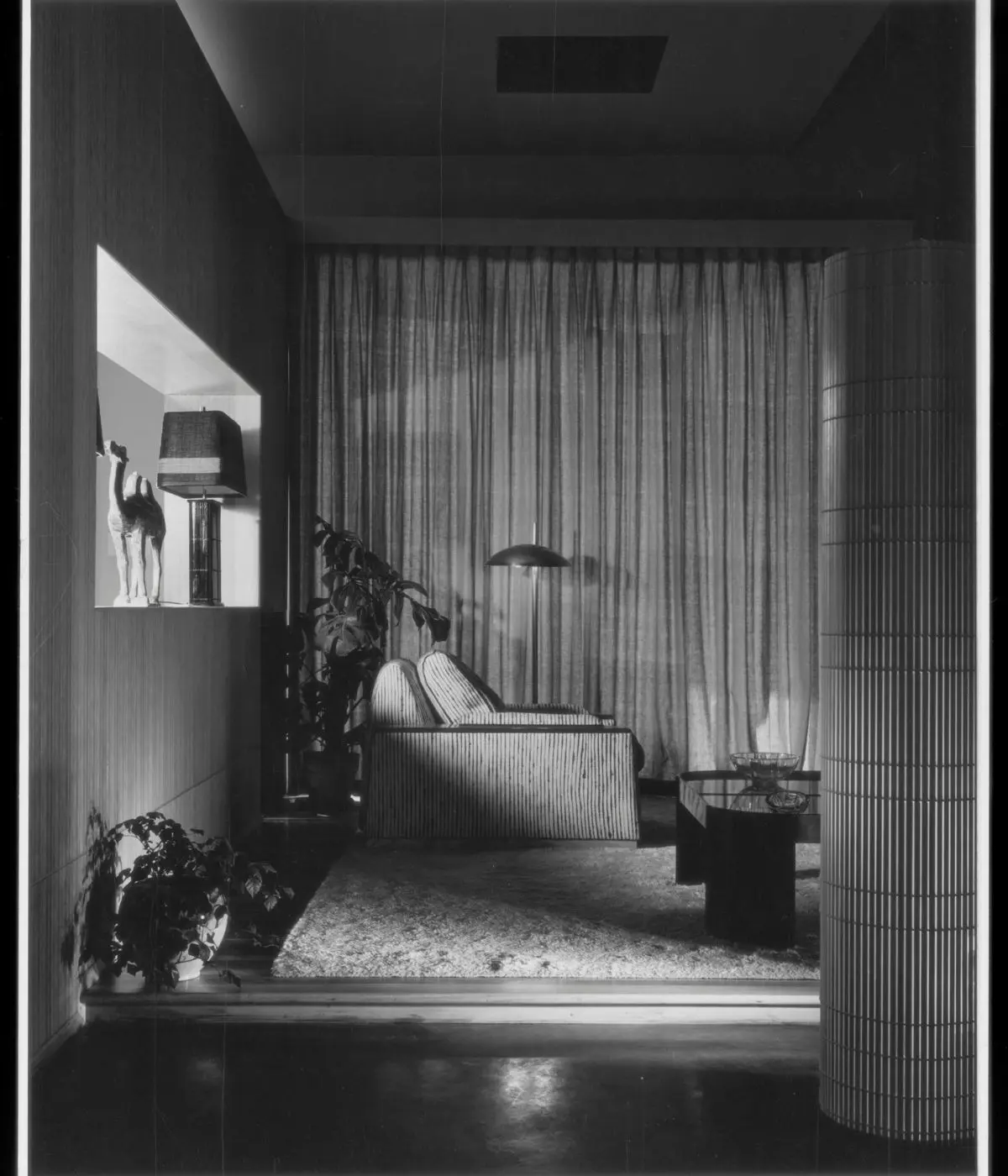
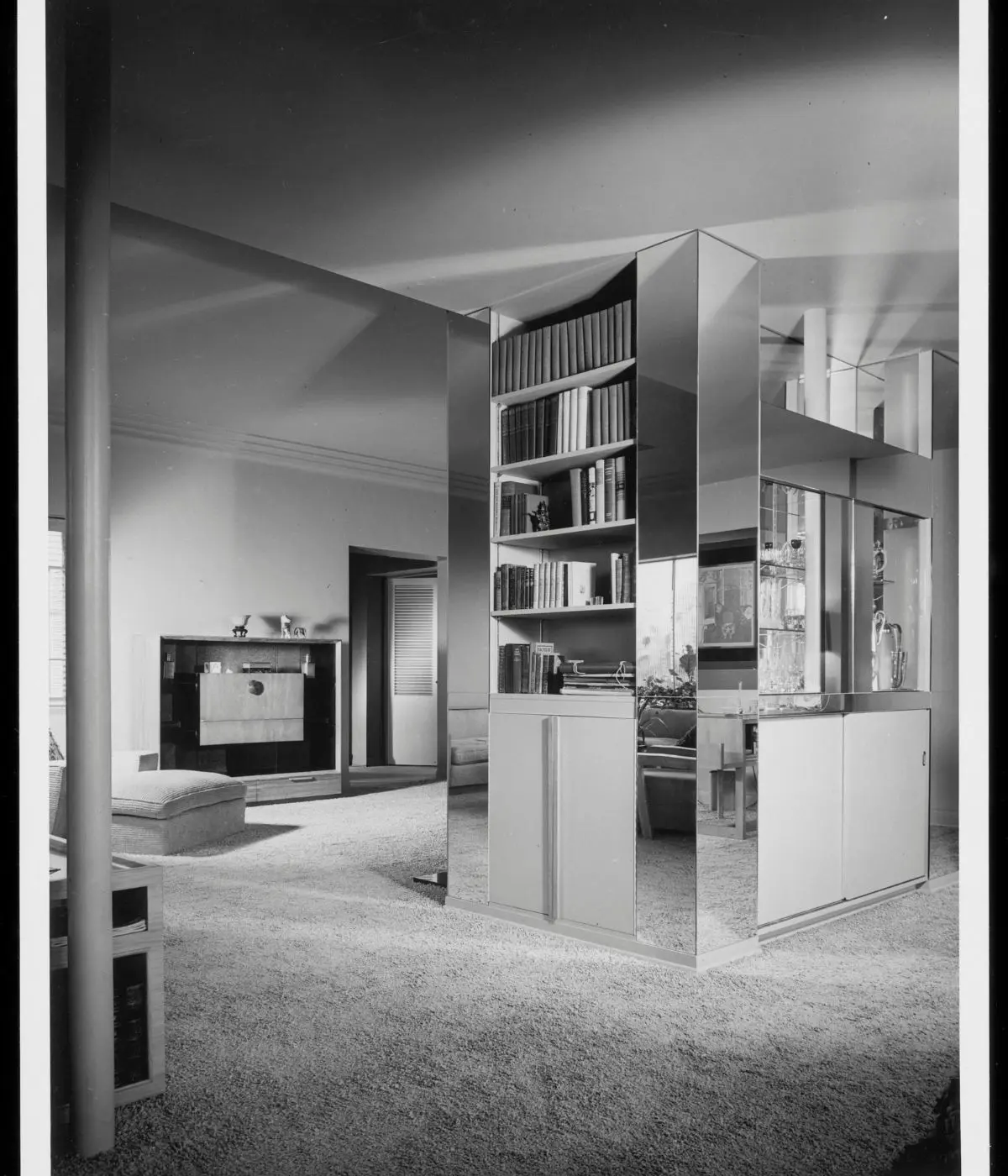
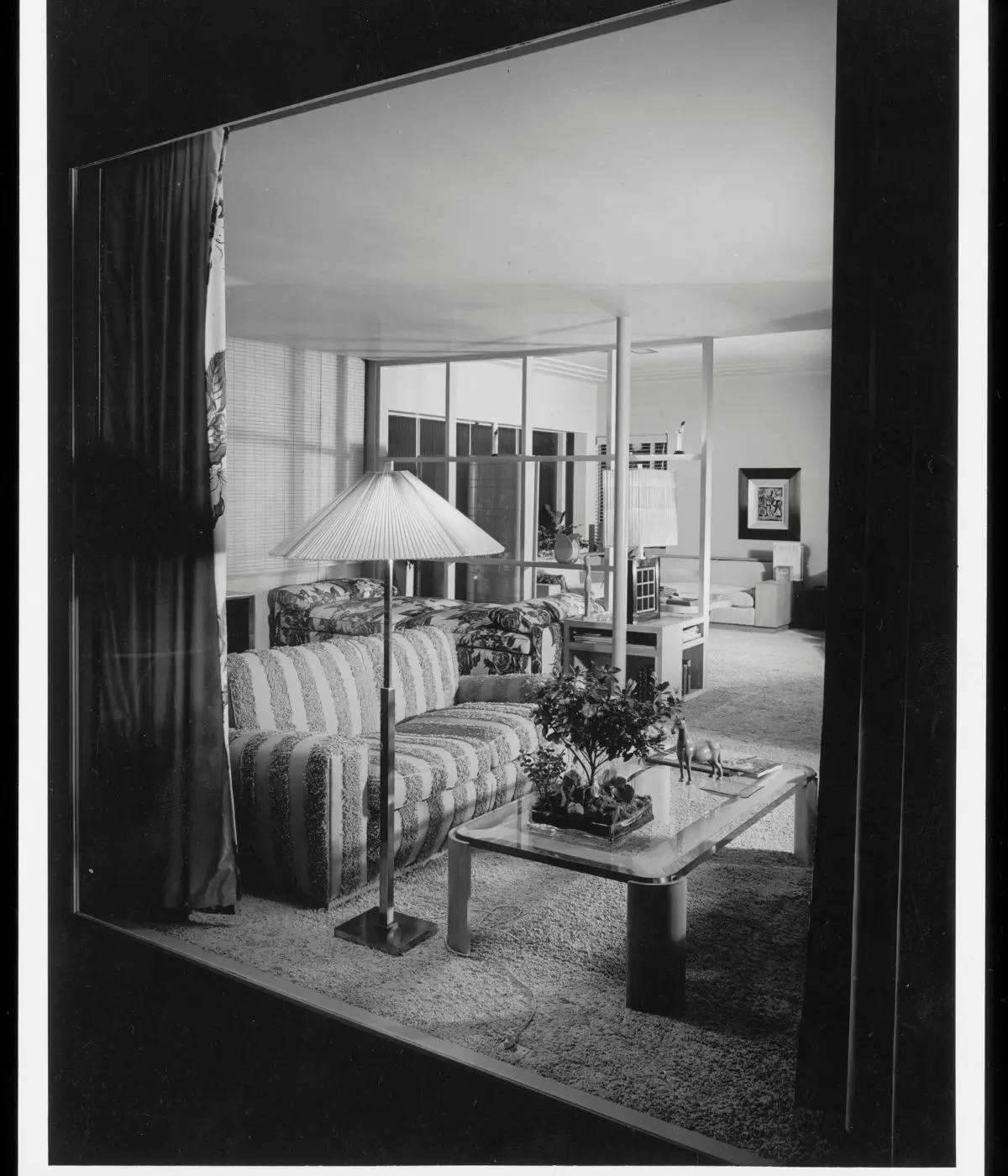
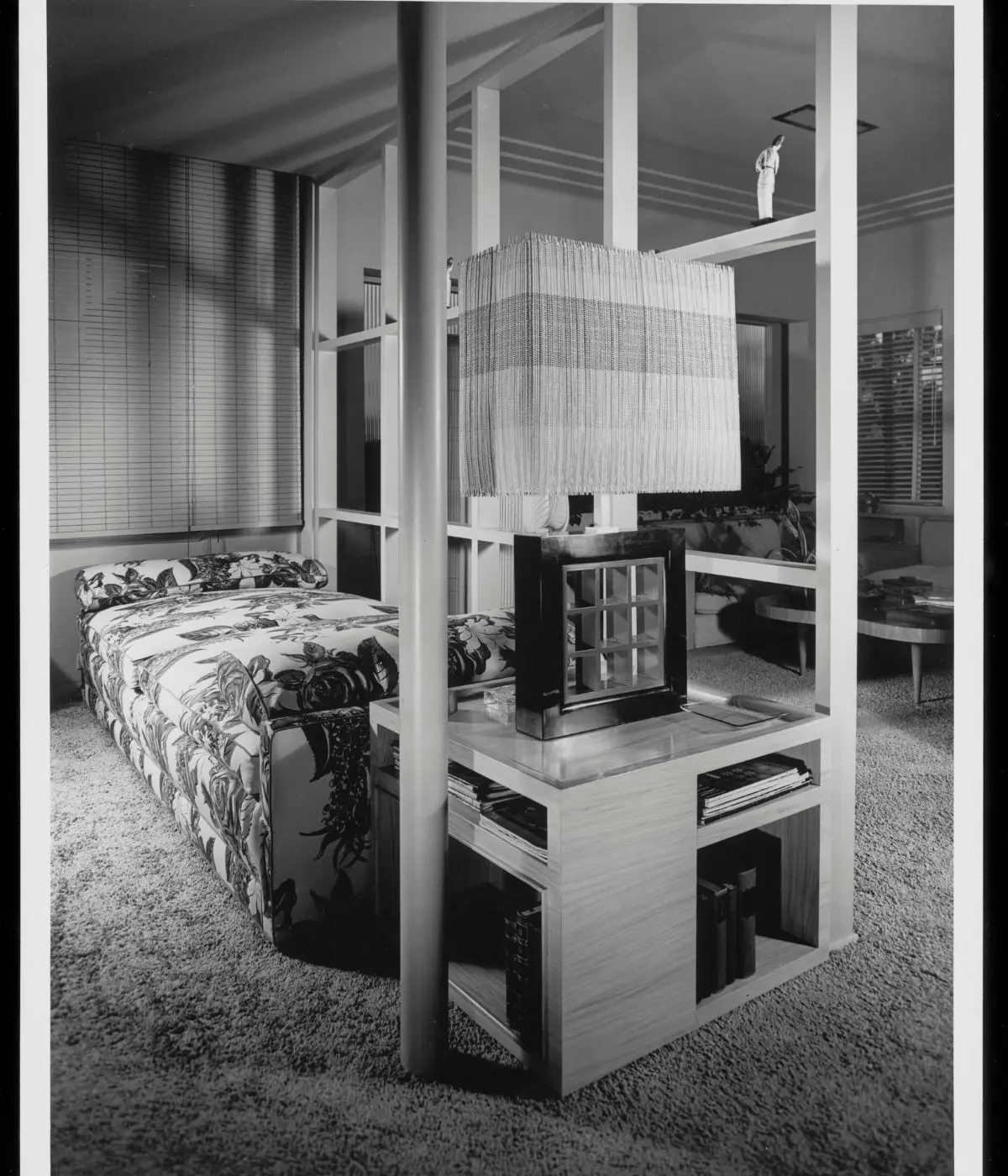
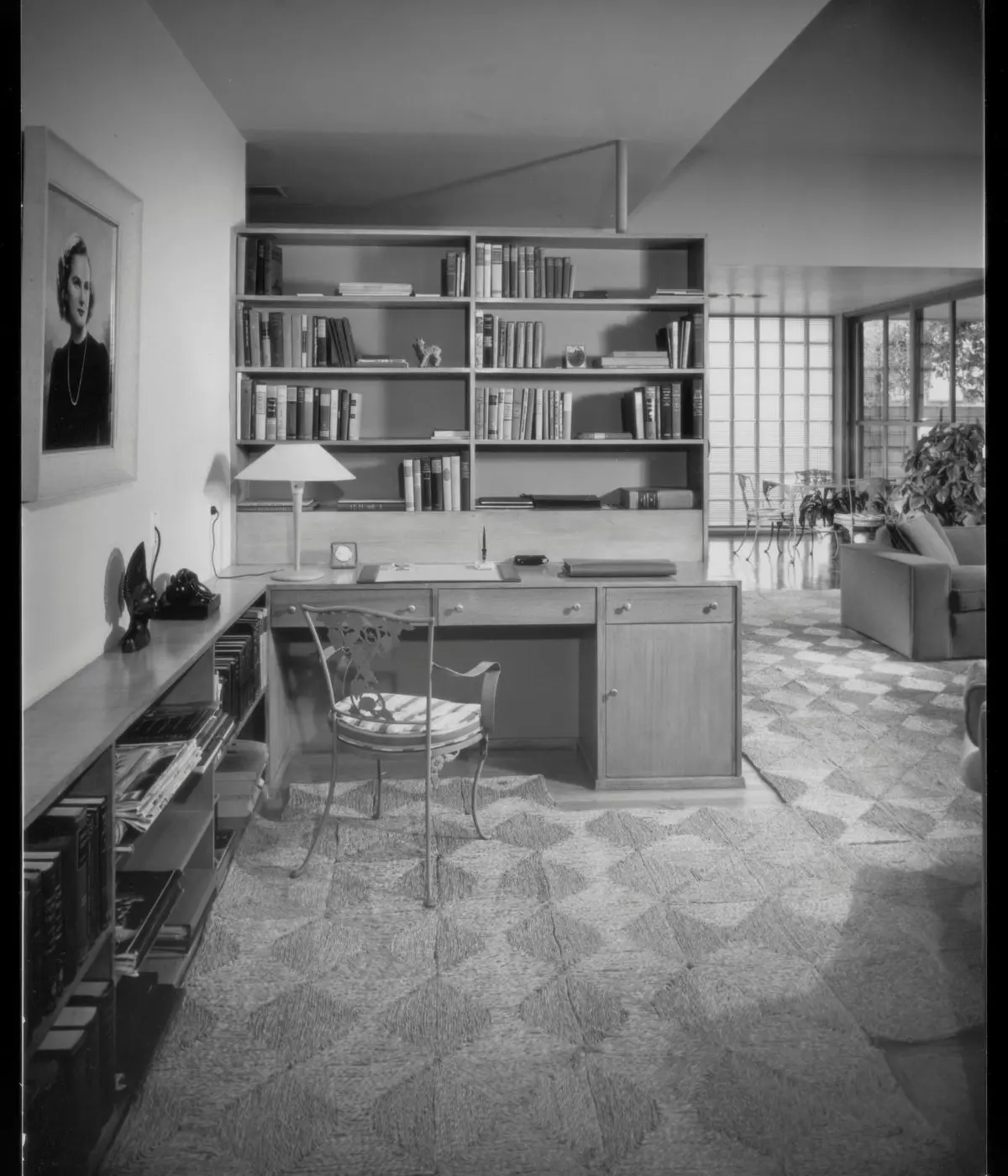
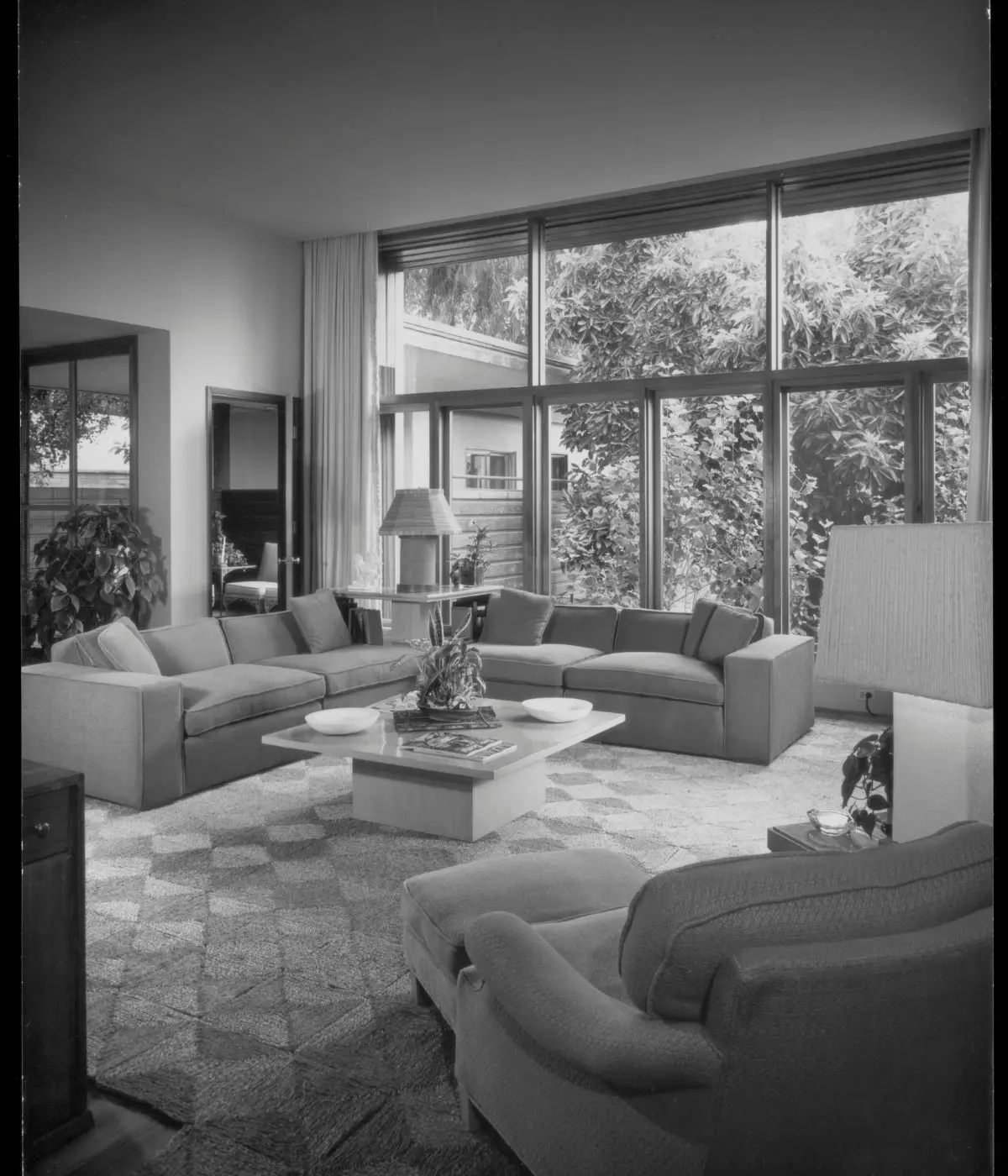
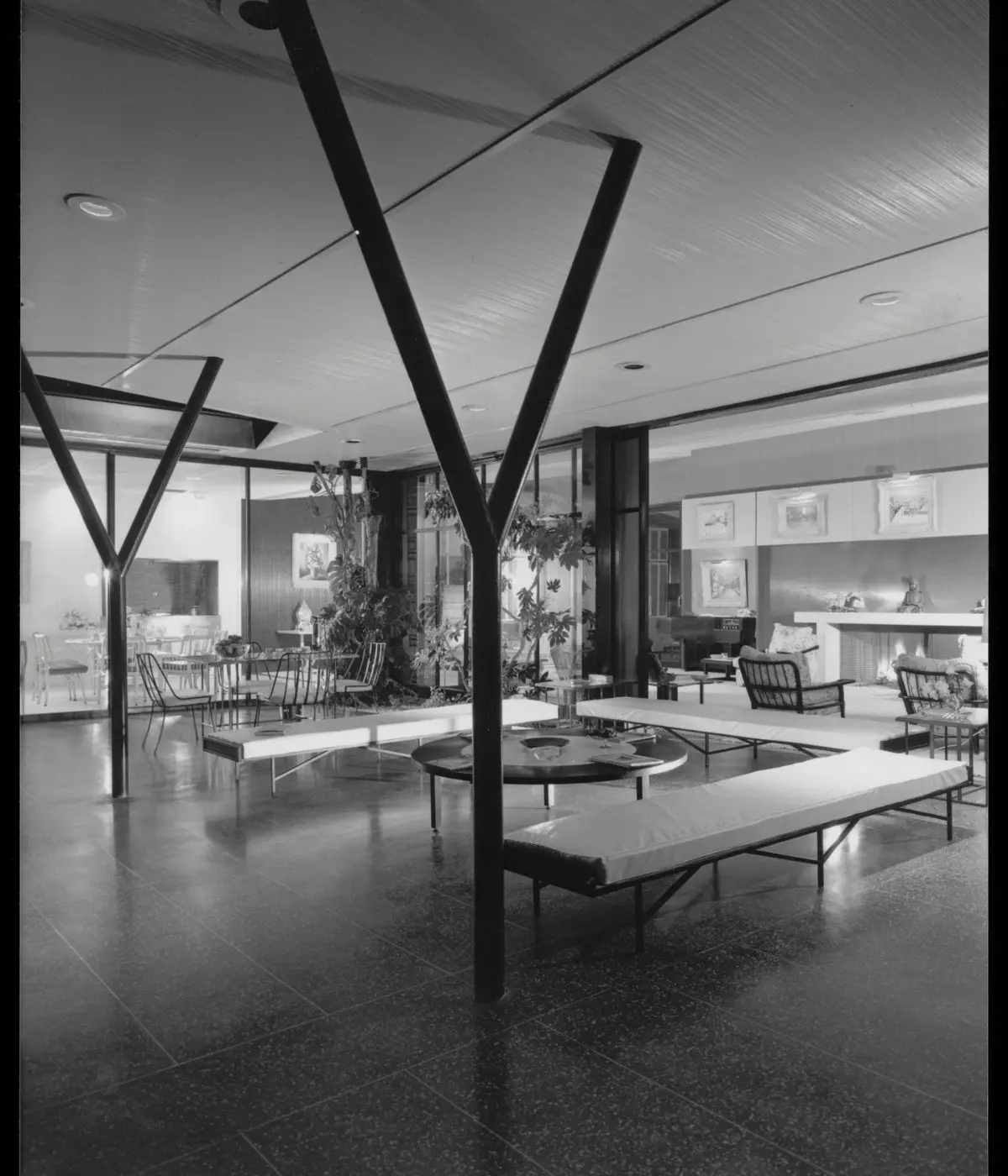
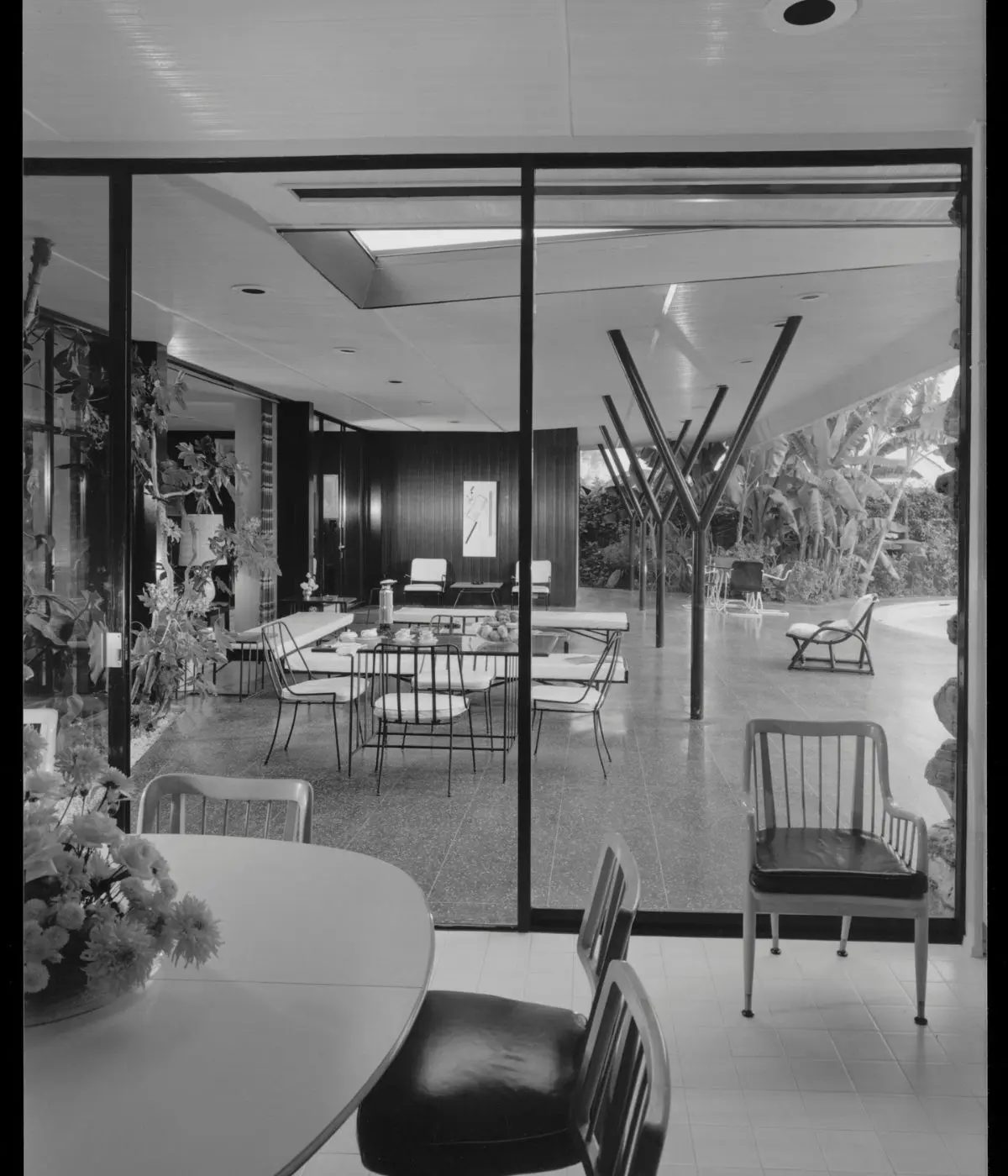
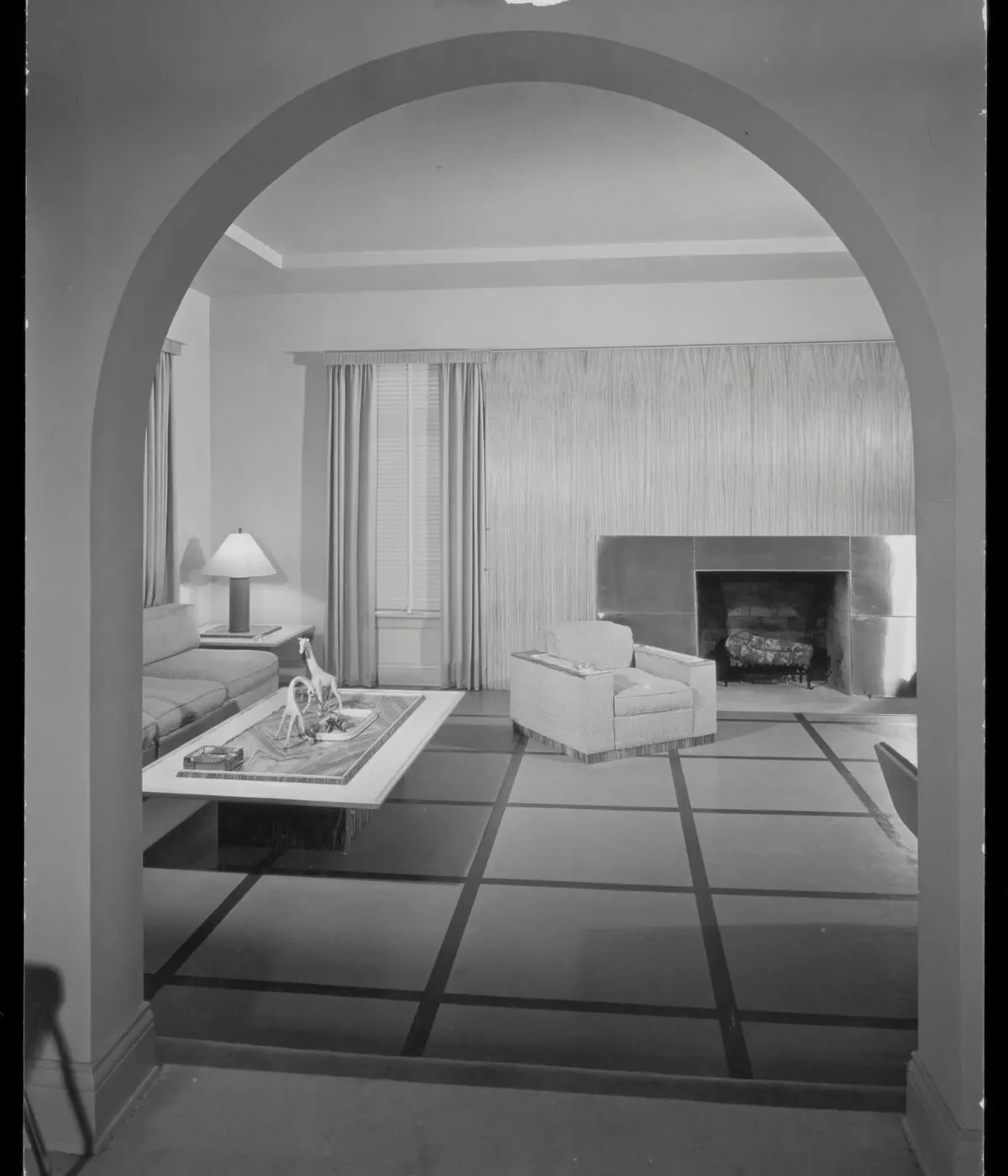
László conceived each commission as gesamtkunstwerk, a total work of art. Interiors were not decorated so much as composed: furniture, lighting, textiles, vases, and accessories were all designed or selected by him, calibrated precisely to the proportions, colors, and materials of each space. His clients included oil magnates, film producers, socialites, and directors, including Gloria Vanderbilt Stokowski, Barbara Hutton, Sonja Henie, and William Wyler. One especially telling story captures his independence: rumor has it that he turned down a commission from Elizabeth Taylor after she attempted to interfere too closely in the design process.
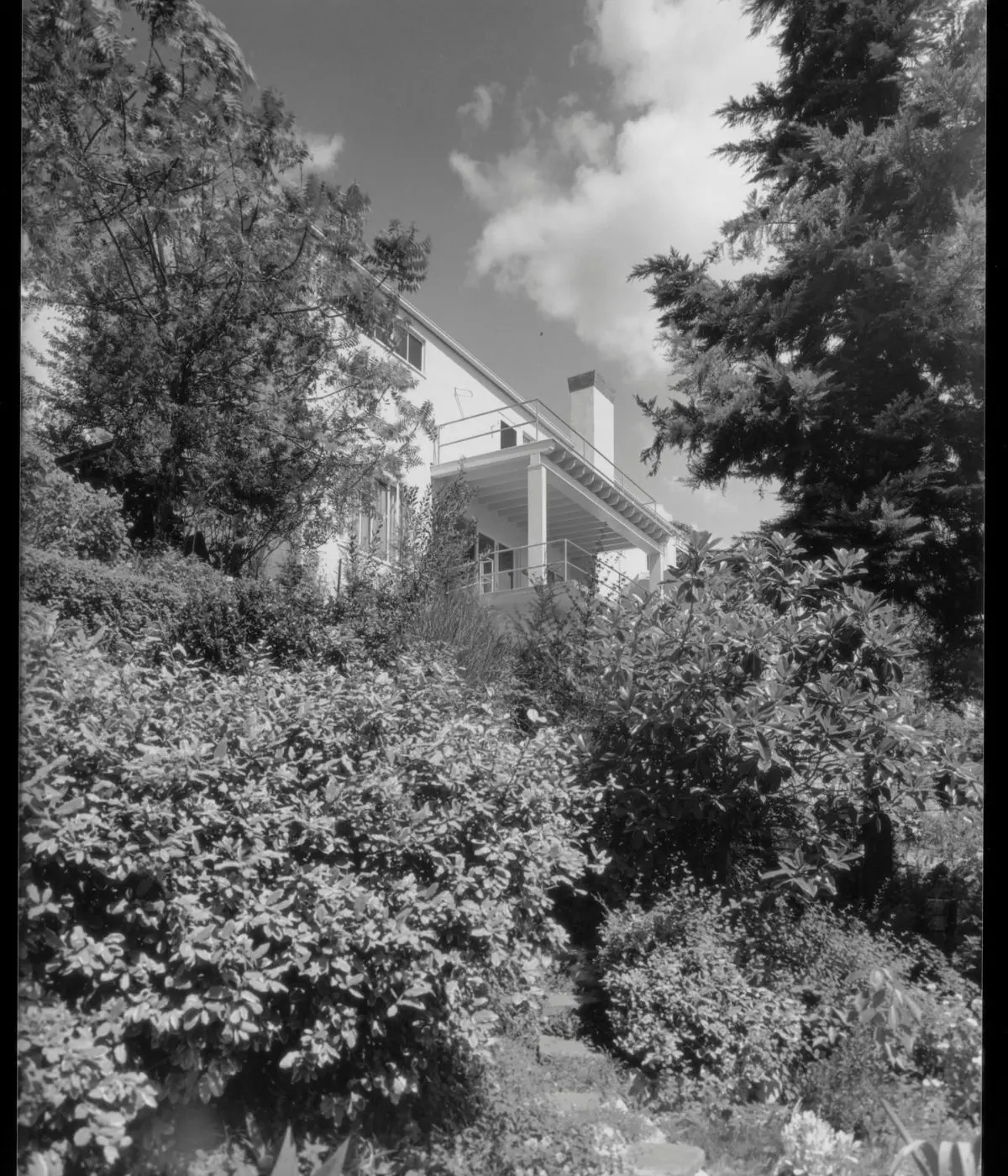
His prominence was such that a major monograph devoted to his interiors and exteriors appeared in the late 1940s, and within a short span he completed dozens of private residences. Among the most striking were the Wichita Falls Palace for oil magnate Charles McGaha, featuring a dramatic horseshoe-shaped swimming pool and Lucite furniture, and the home of producer William Perlberg, which incorporated both a swimming pool and a private screening room. A national magazine would later label him “the Rich Man’s Architect,” a title he wore with a mixture of irony and pride.
László also collaborated with artists and craftspeople whose work aligned with his exacting standards, including textile designer Maria Kipp, ceramicist and painter Karin Van Leyden, and sculptor F. F. Kern. At the same time, he contributed to industrial design, joining the team at Herman Miller and developing forward-looking office furniture. He went on to design storage and seating collections for manufacturers such as Brown Saltman, Glenn of California, and the Widdicomb Furniture Company, working within a network that included figures like Frank Lloyd Wright and Mario Buatta.
Beyond private homes and furniture, László designed commercial architecture across Southern California, including movie theaters, department stores, and luxury retail interiors, as well as interventions at the Beverly Hills Hotel. His more unexpected projects reveal a fascination with the future and with systems of protection and control: he designed an atomic shelter for the U.S. Air Force and imagined a speculative underground metropolis called Atomville. Conceived as a self-sufficient city buried beneath the earth, Atomville fused Cold War anxiety with utopian planning, extending László’s belief in total design to a vision of collective survival.
Active and creatively engaged throughout his life, Paul László remained a commanding presence in American design until his death at 93, in Santa Monica. His work endures as a testament to disciplined luxury, intellectual rigor, and the conviction that architecture — whether a penthouse interior or a subterranean city — should be conceived as a complete and coherent world.