A renewed fascination with the eighteenth century has emerged in recent years across exhibitions, design and contemporary art. More than a fleeting trend, it reflects a broader shift away from minimalist aesthetics and a growing interest in historic craftsmanship and decorative richness. Revisiting the period also allows museums, artists and designers to explore the social and cultural worlds of the Enlightenment from a contemporary perspective.
At the Musée des Arts Décoratifs in Paris, the exhibition “Une journée au XVIIIe siècle, chronique d’un hôtel particulier” offers visitors the rare opportunity to step into the rhythm of daily life in an aristocratic household on the eve of the French Revolution. Running from 18 February to 5 July 2026, the show reconstructs the spaces, objects and rituals of an eighteenth-century Parisian townhouse, allowing visitors to move through a carefully staged narrative of a single day—from early morning routines to evening entertainment.

Curated by Ariane James-Sarazin and Sophie Motsch, the exhibition brings together more than 550 works from the museum’s collections, including furniture, porcelain, silverware, textiles and decorative objects. These pieces are not displayed as isolated artworks but integrated into a fully immersive environment designed to evoke a luxurious hôtel particulier in the 1780s. Through a sequence of rooms, the exhibition recreates the private and social spaces that structured elite domestic life in Paris. The exhibition unfolds chronologically through the activities of a typical day. In the morning, the private apartment reveals rituals of personal care and dressing, emphasizing the importance of etiquette and appearance in aristocratic society. Midday scenes illustrate sociability and leisure, with salons devoted to conversation, games or music. The day culminates in evening gatherings—formal dinners, performances and intimate musical concerts—that highlight the role of domestic interiors as spaces of cultural exchange and prestige.
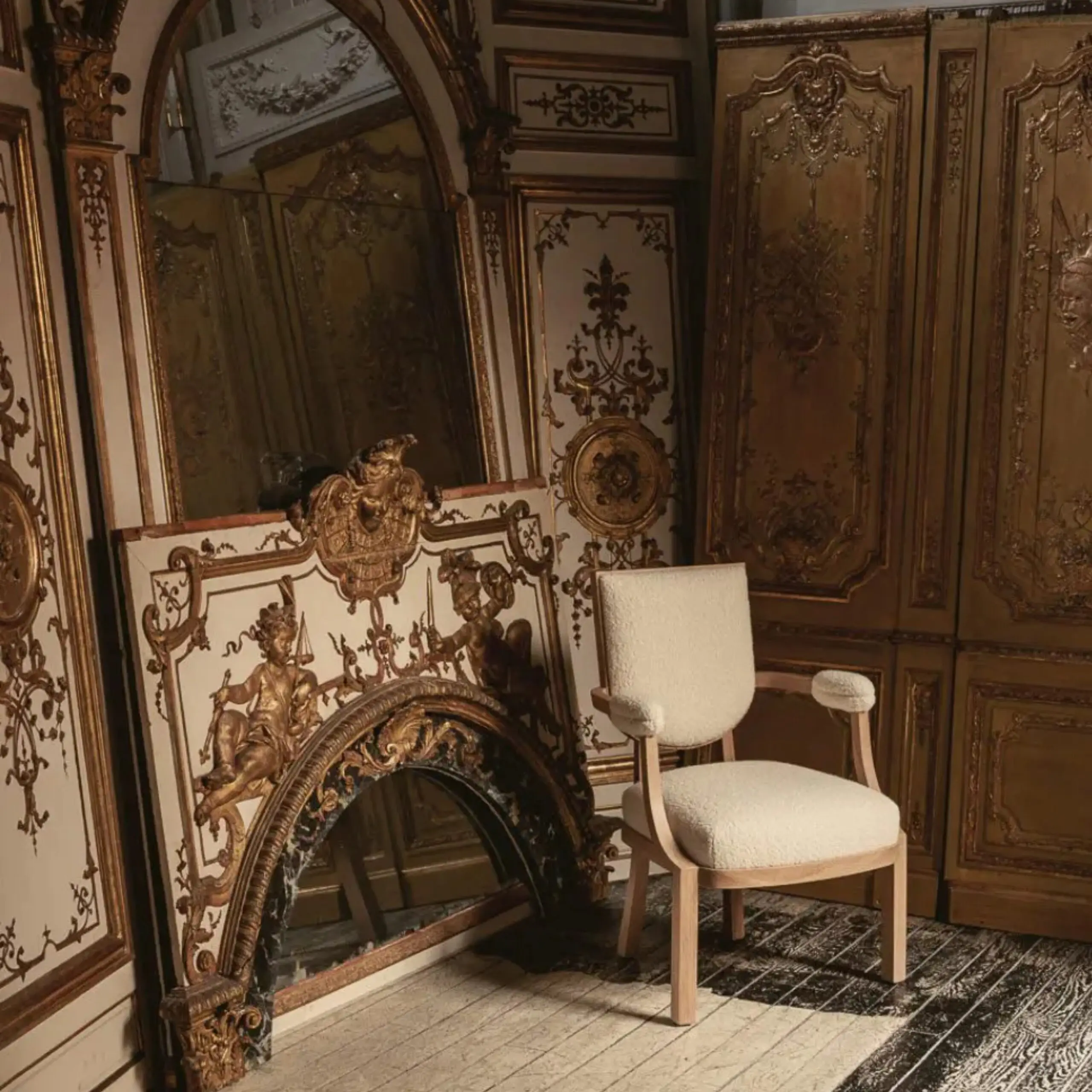
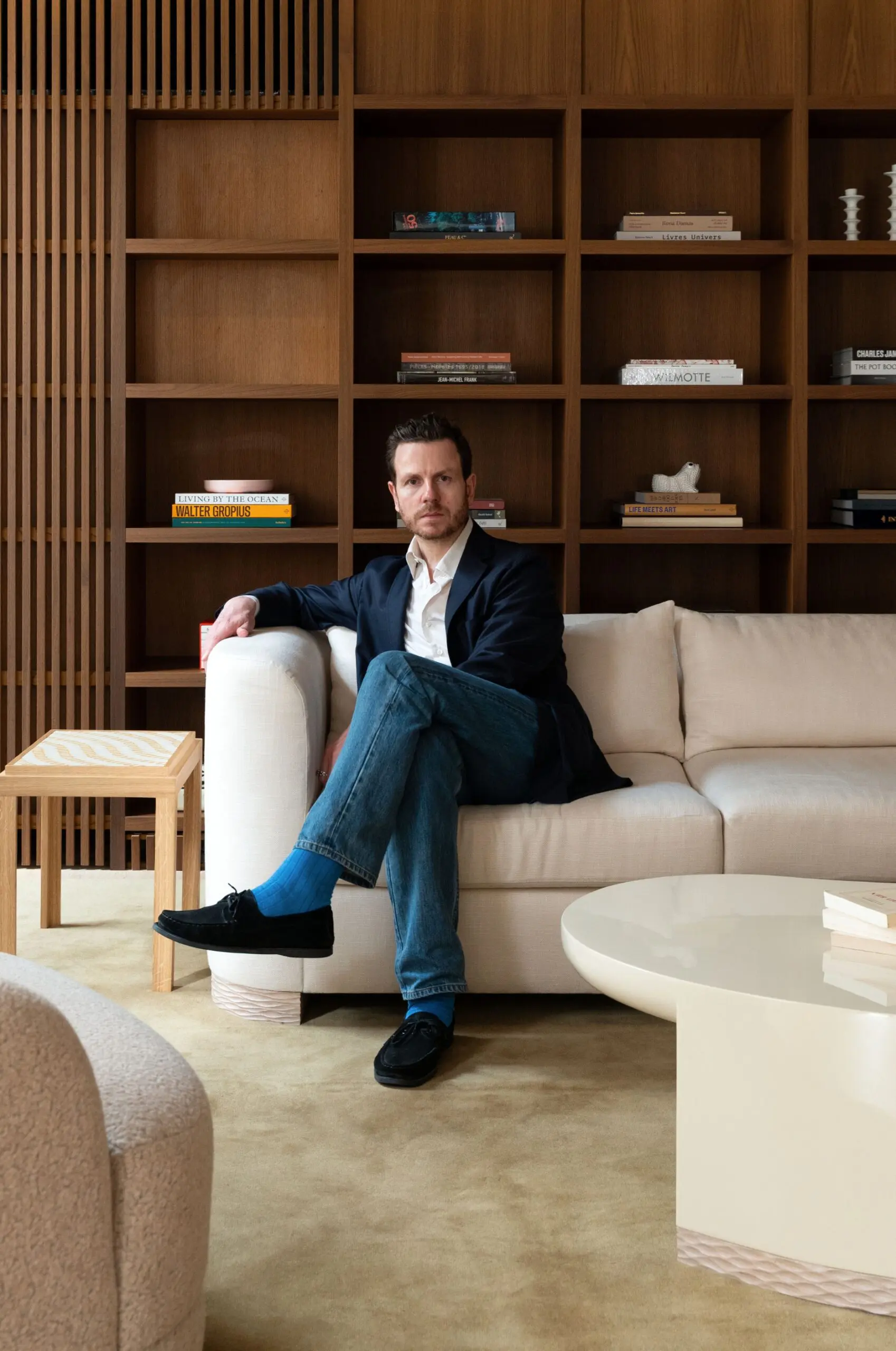
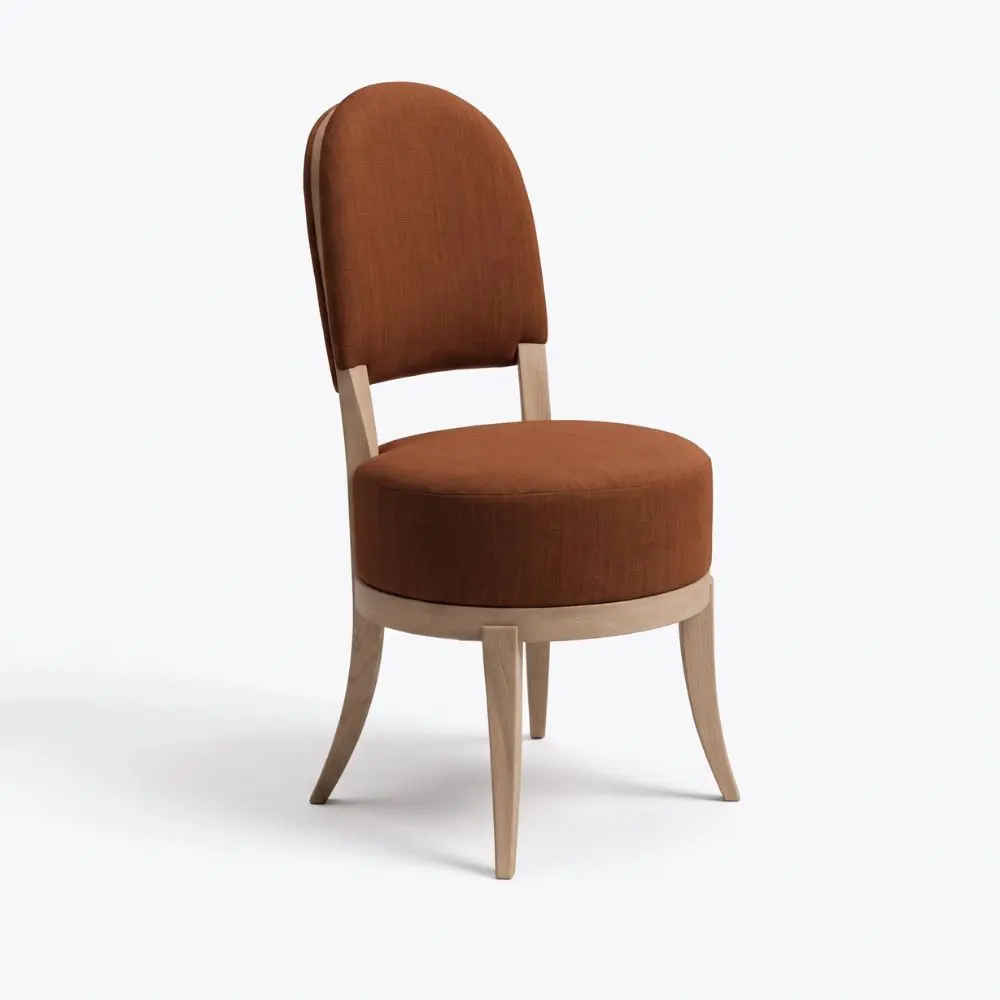
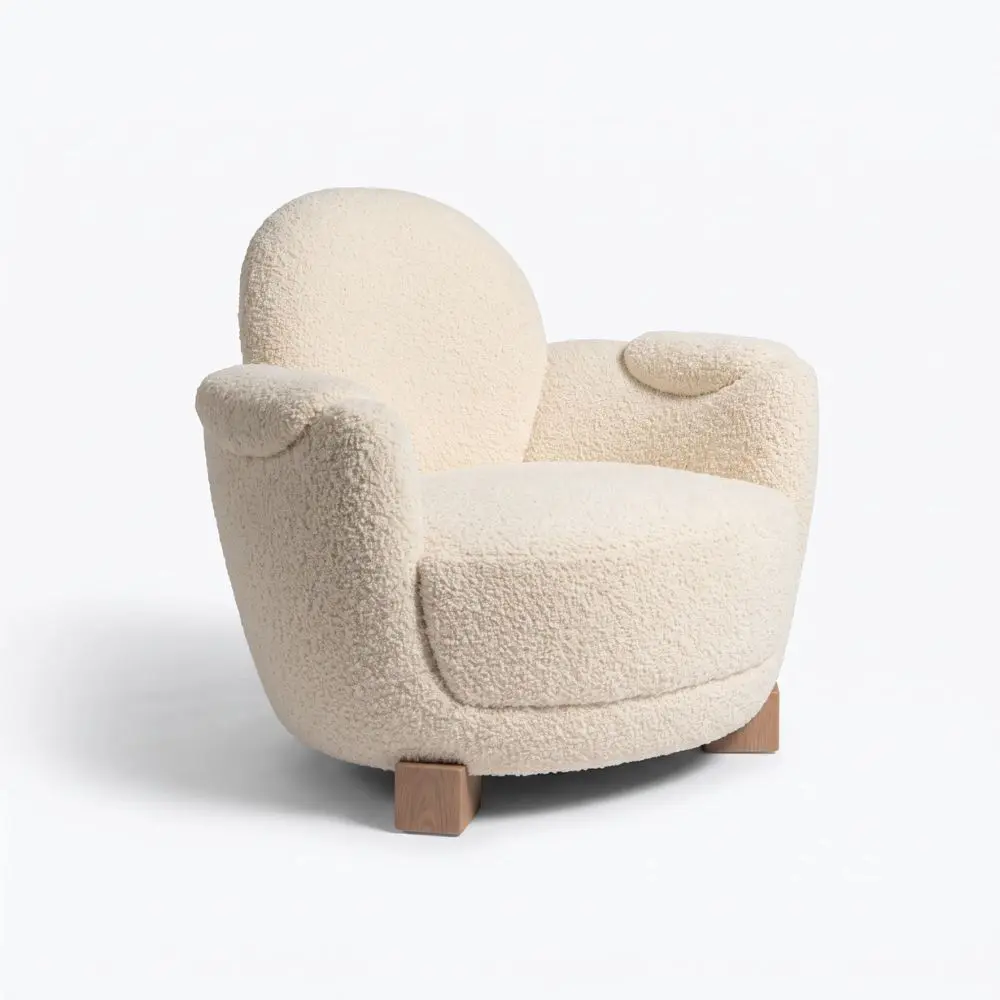
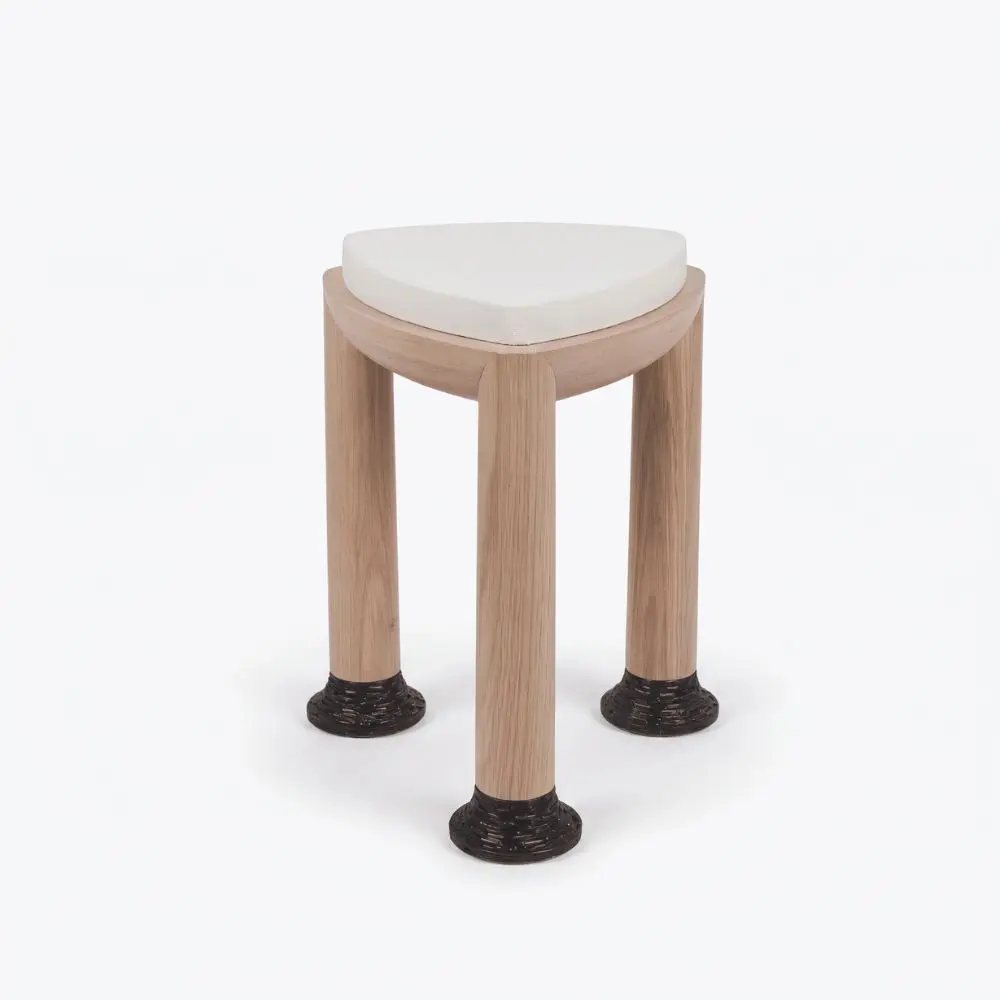
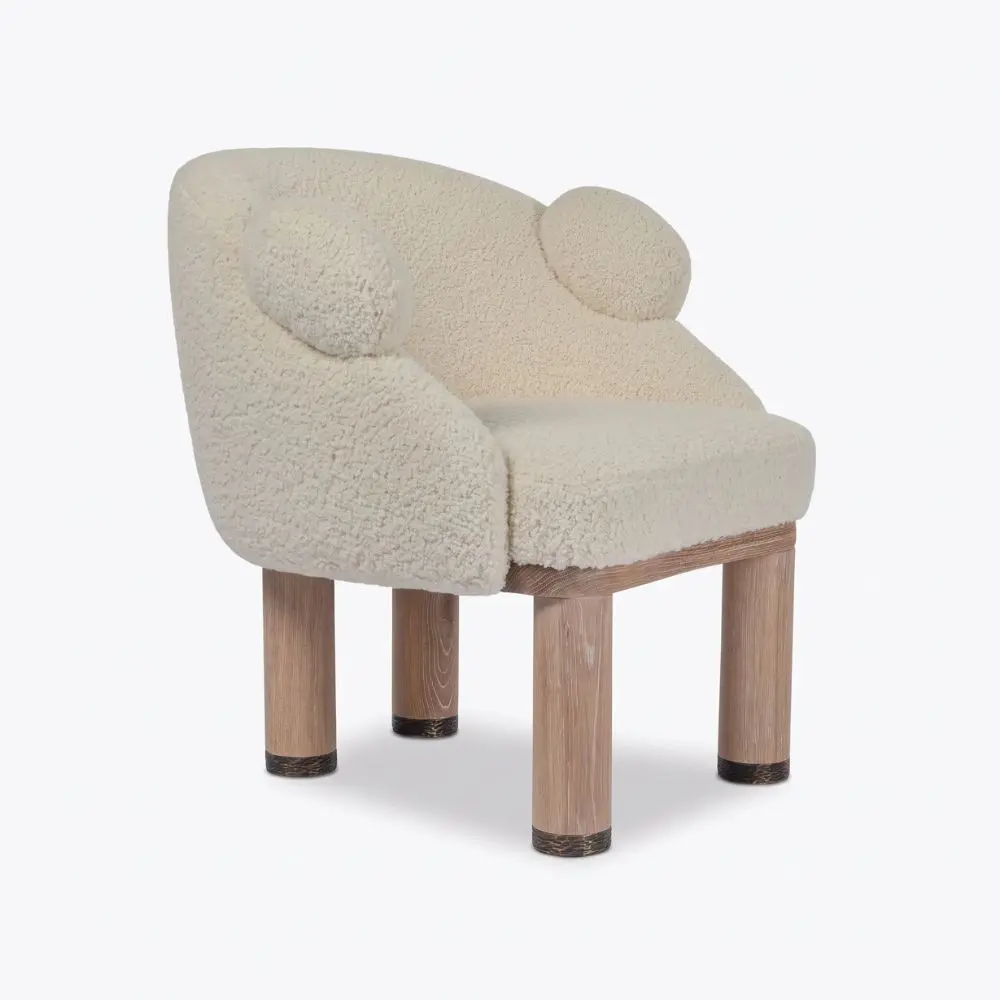
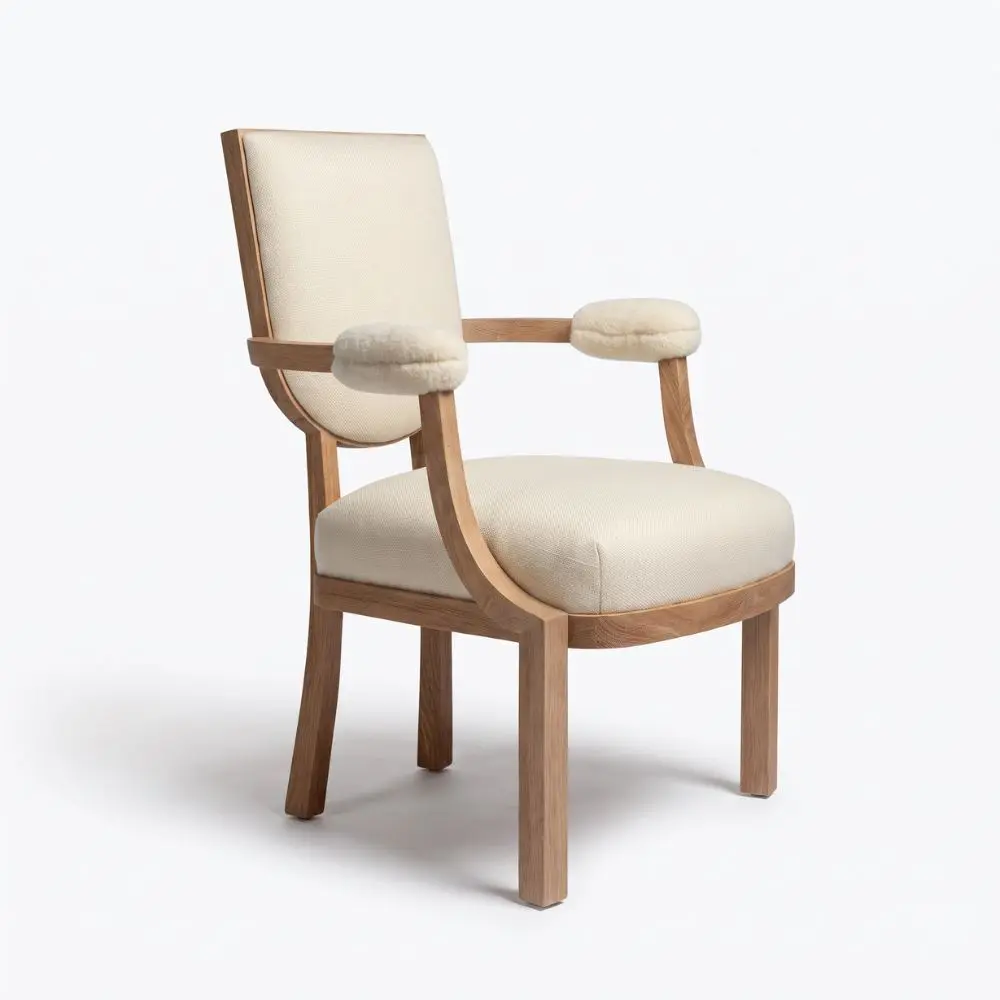
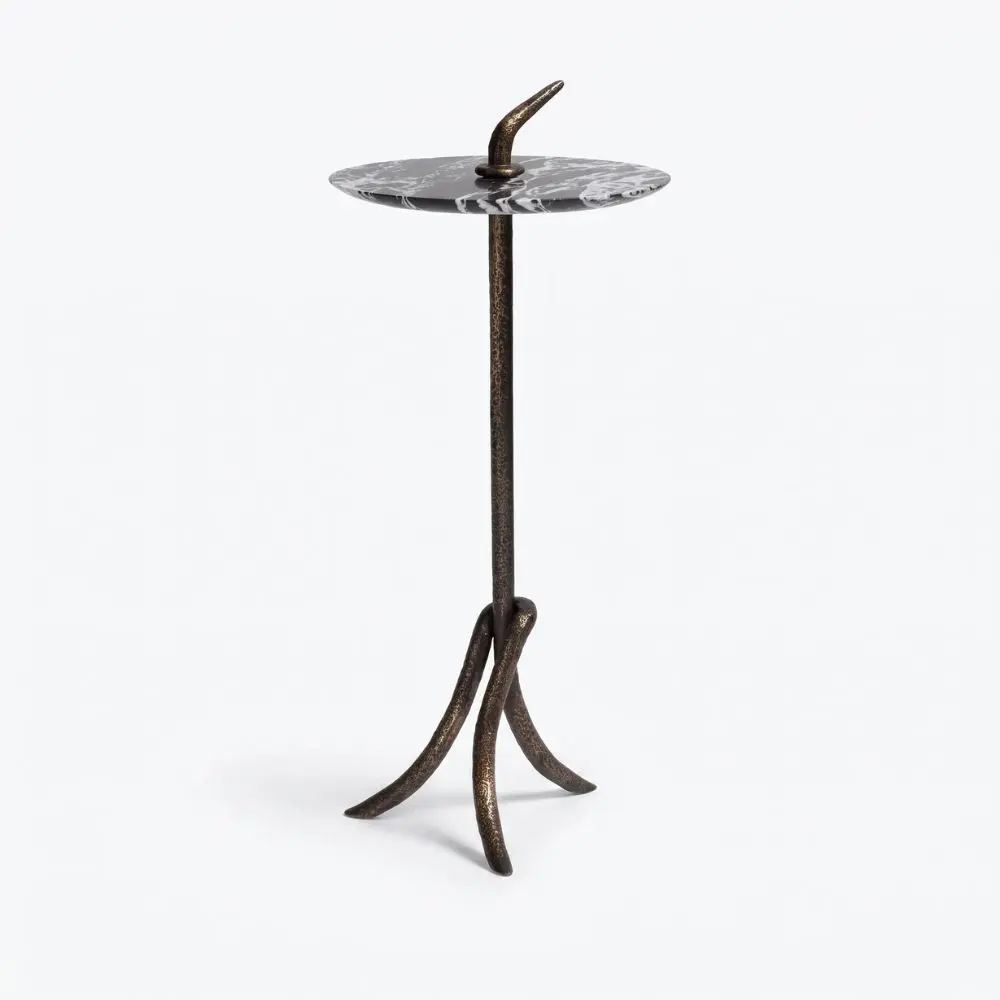
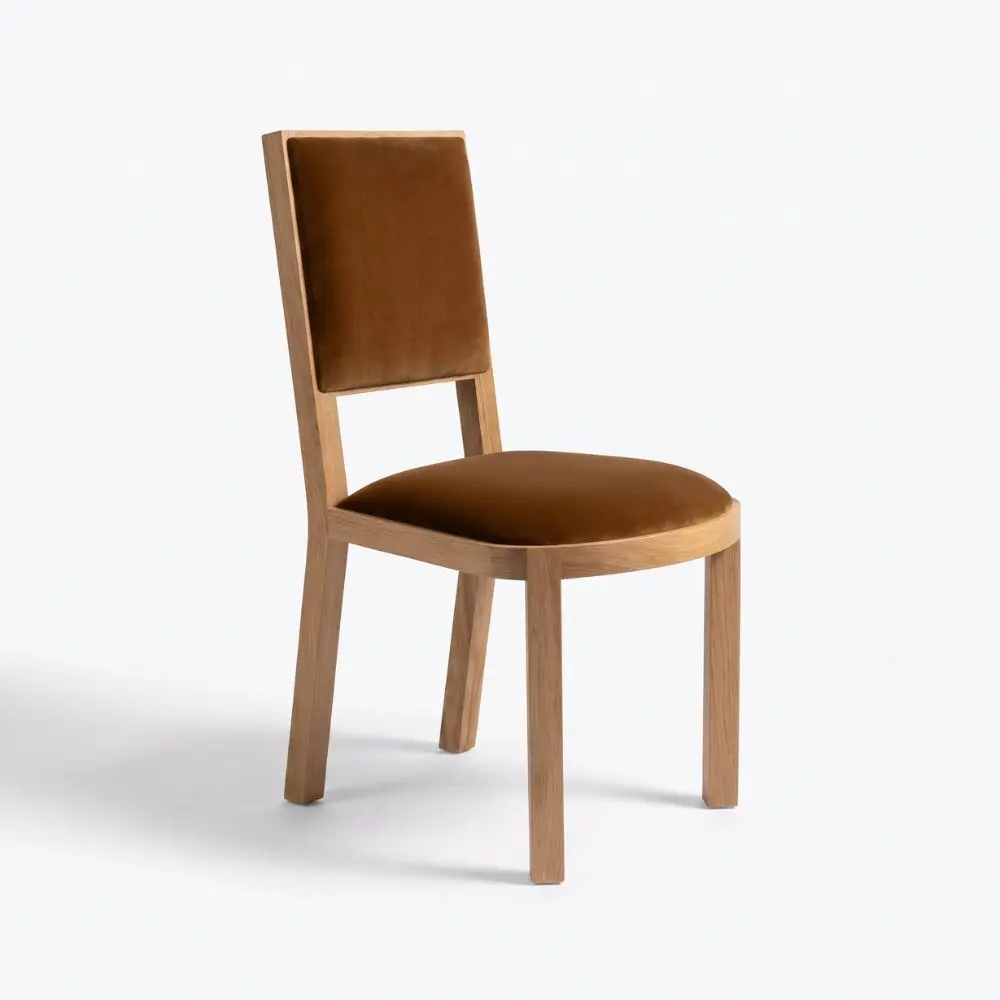
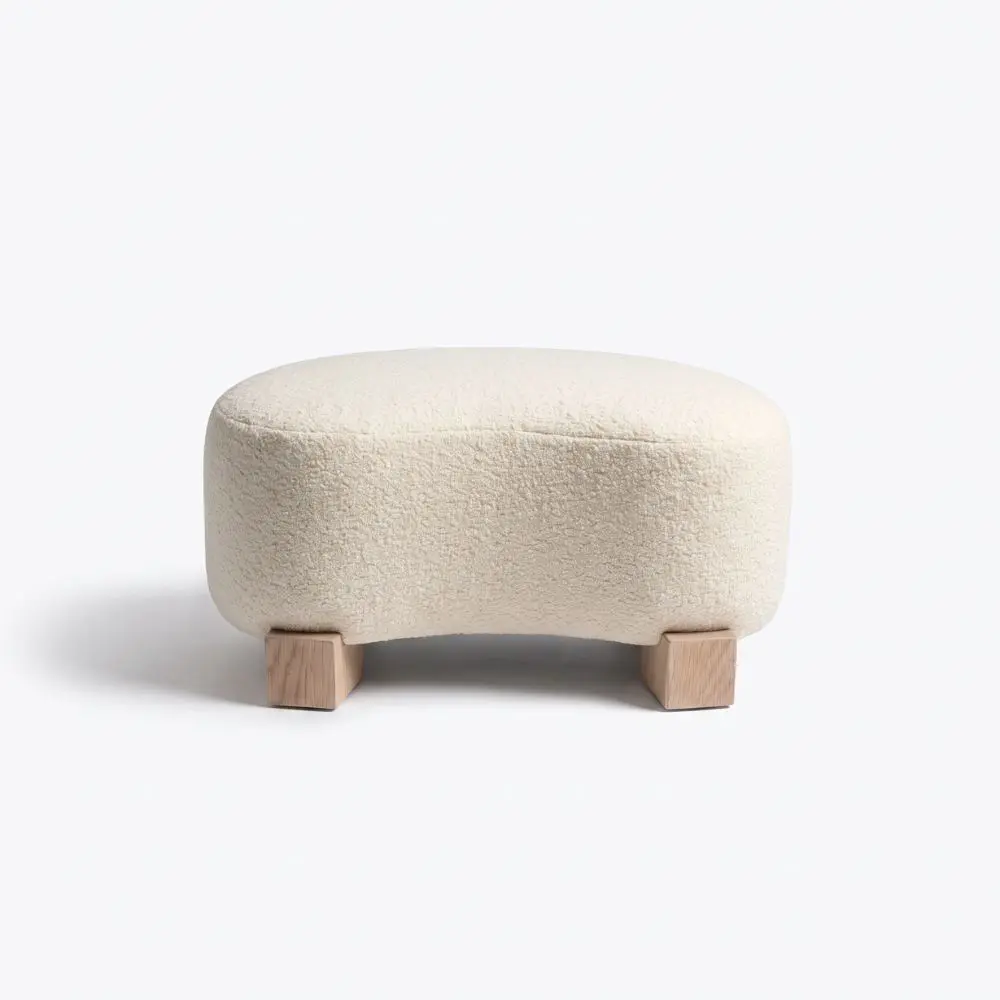
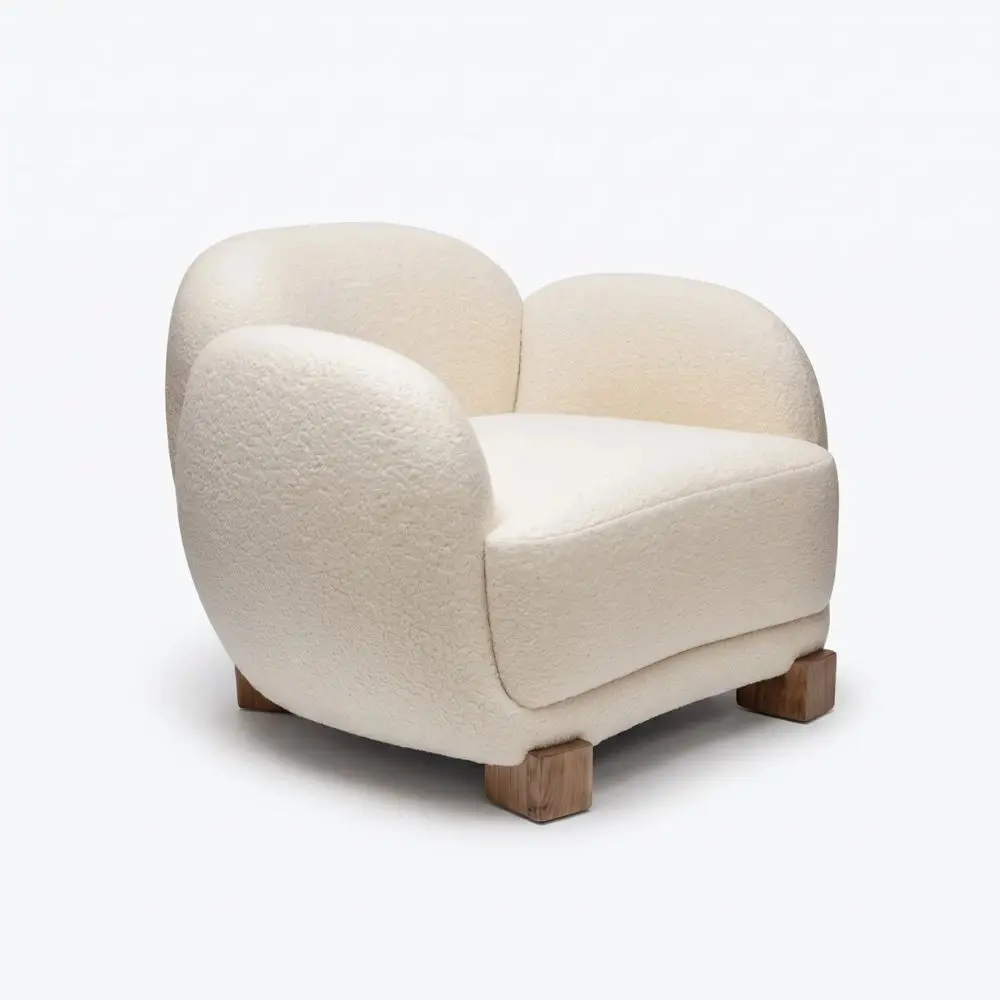
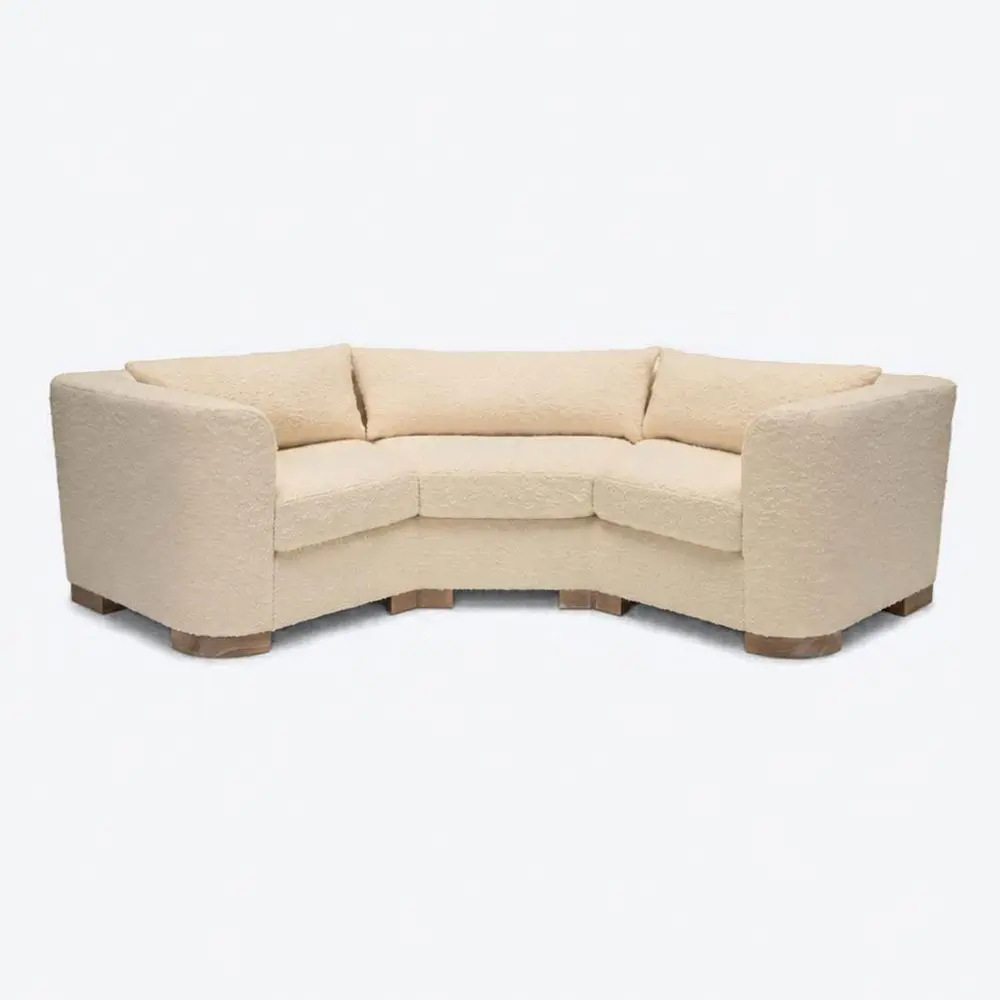
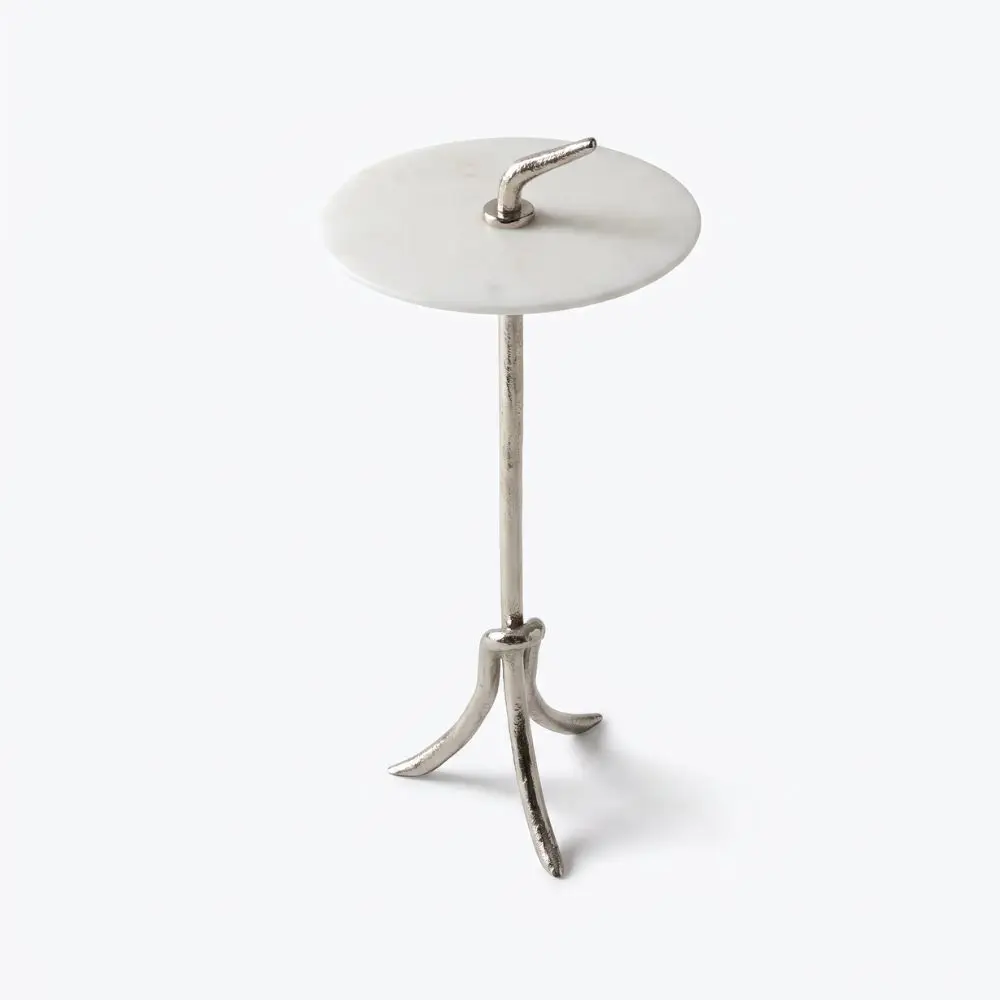
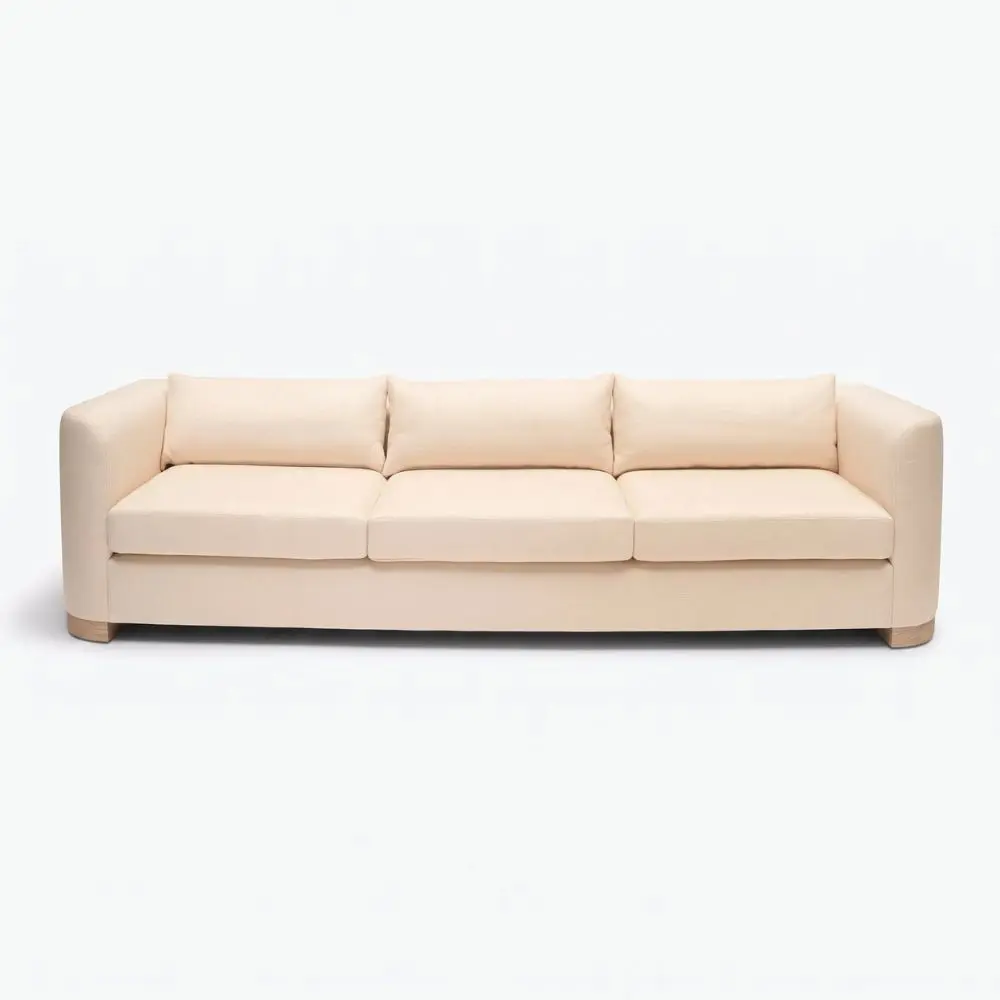
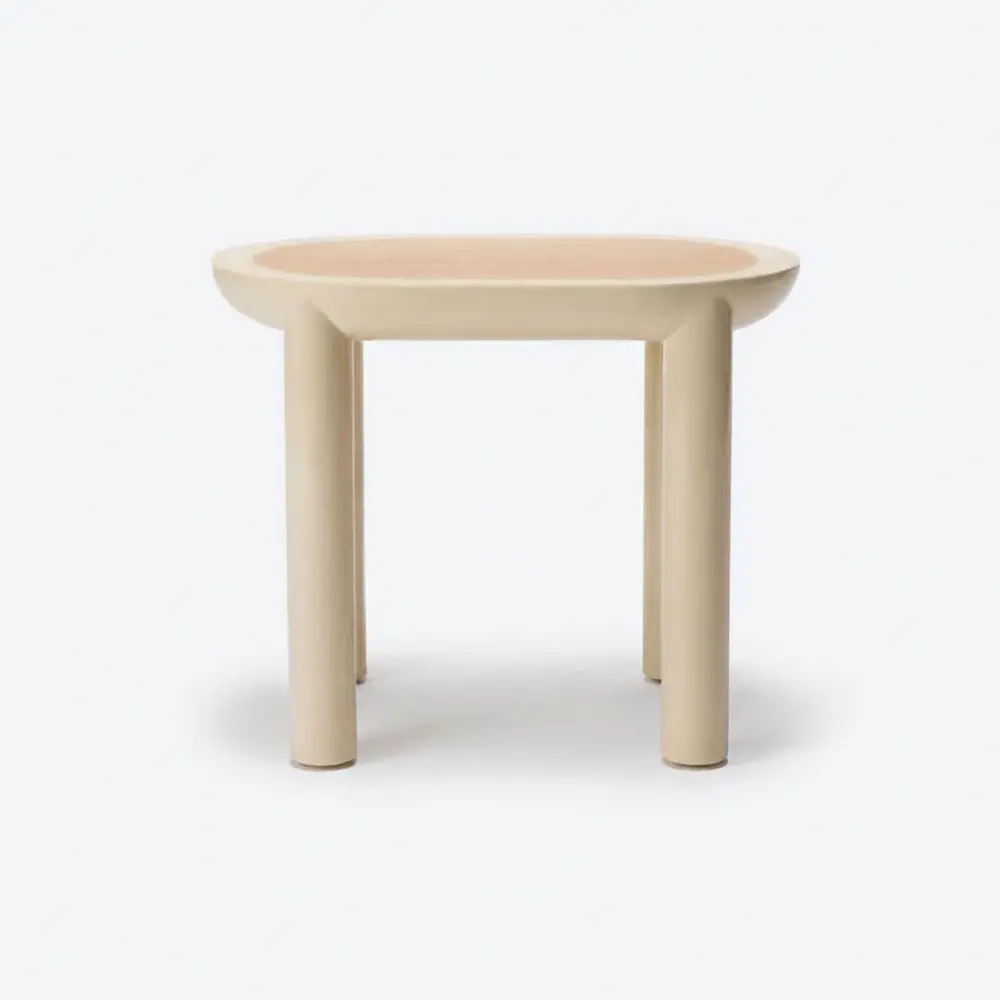
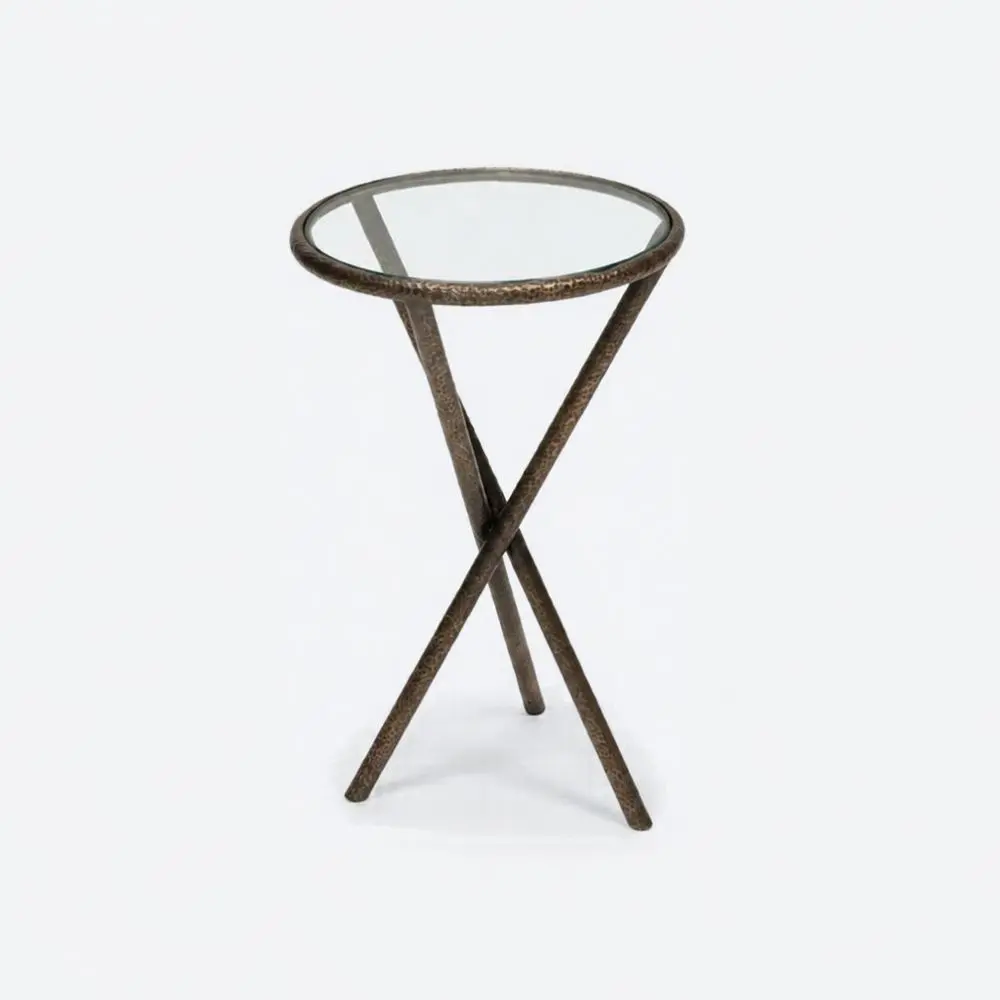
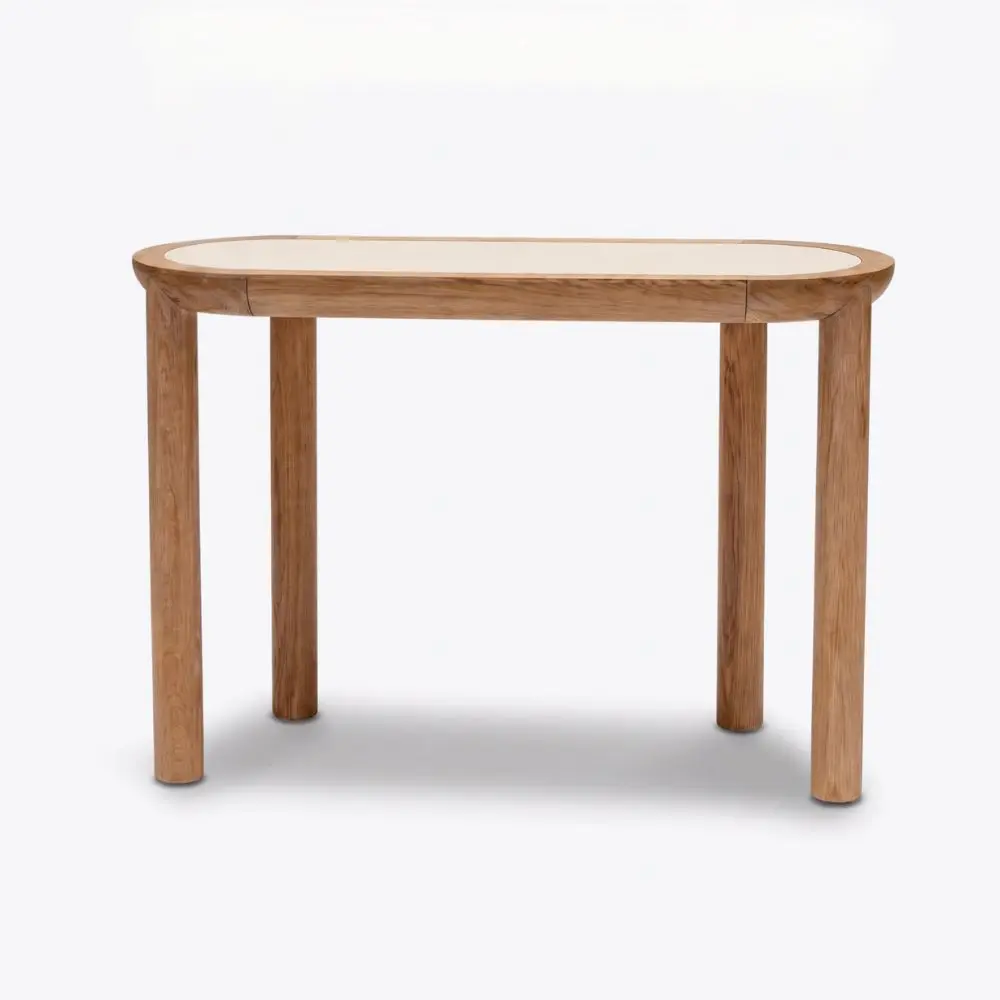
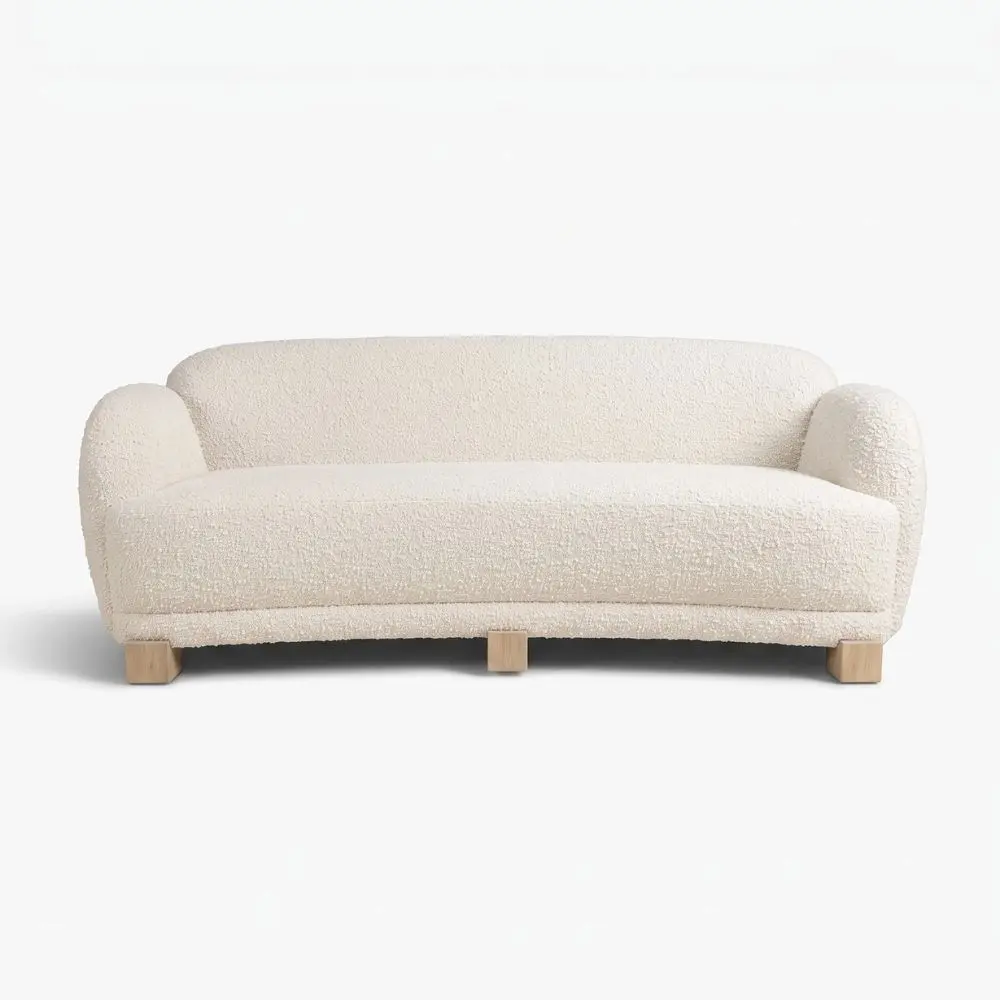
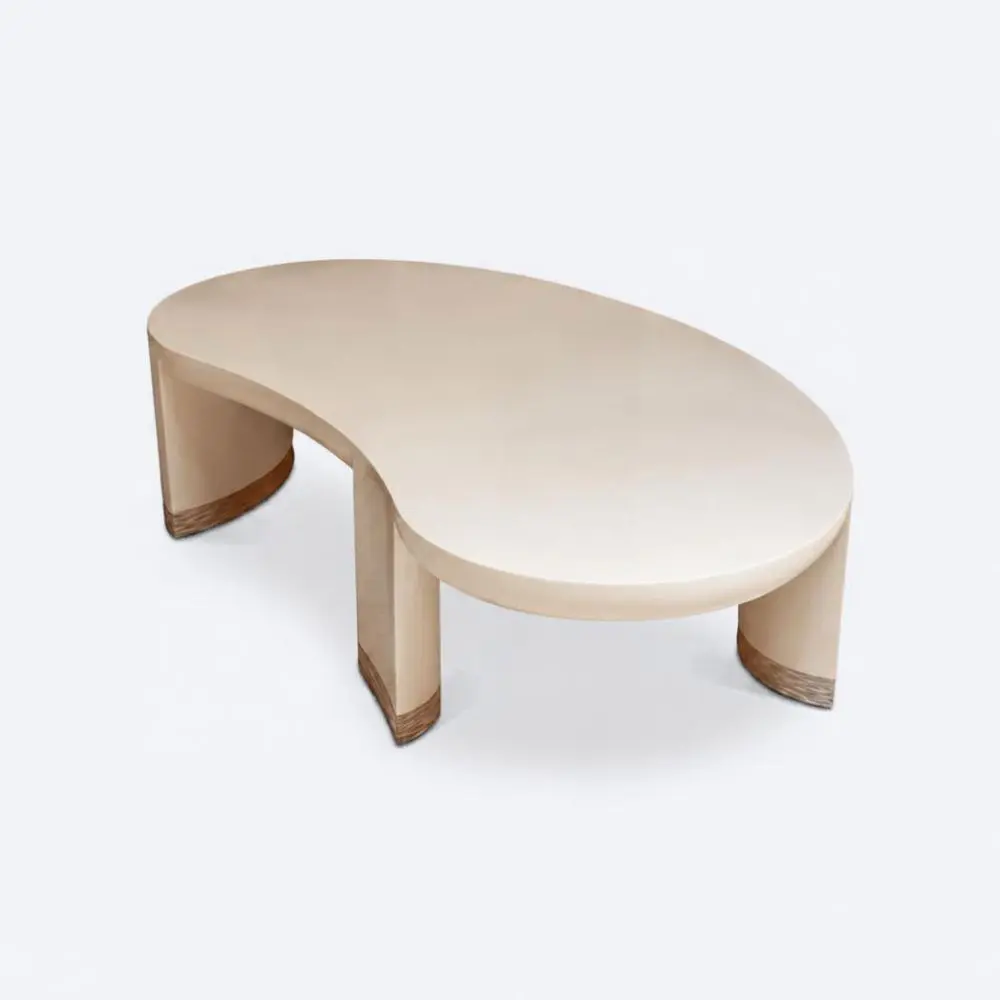
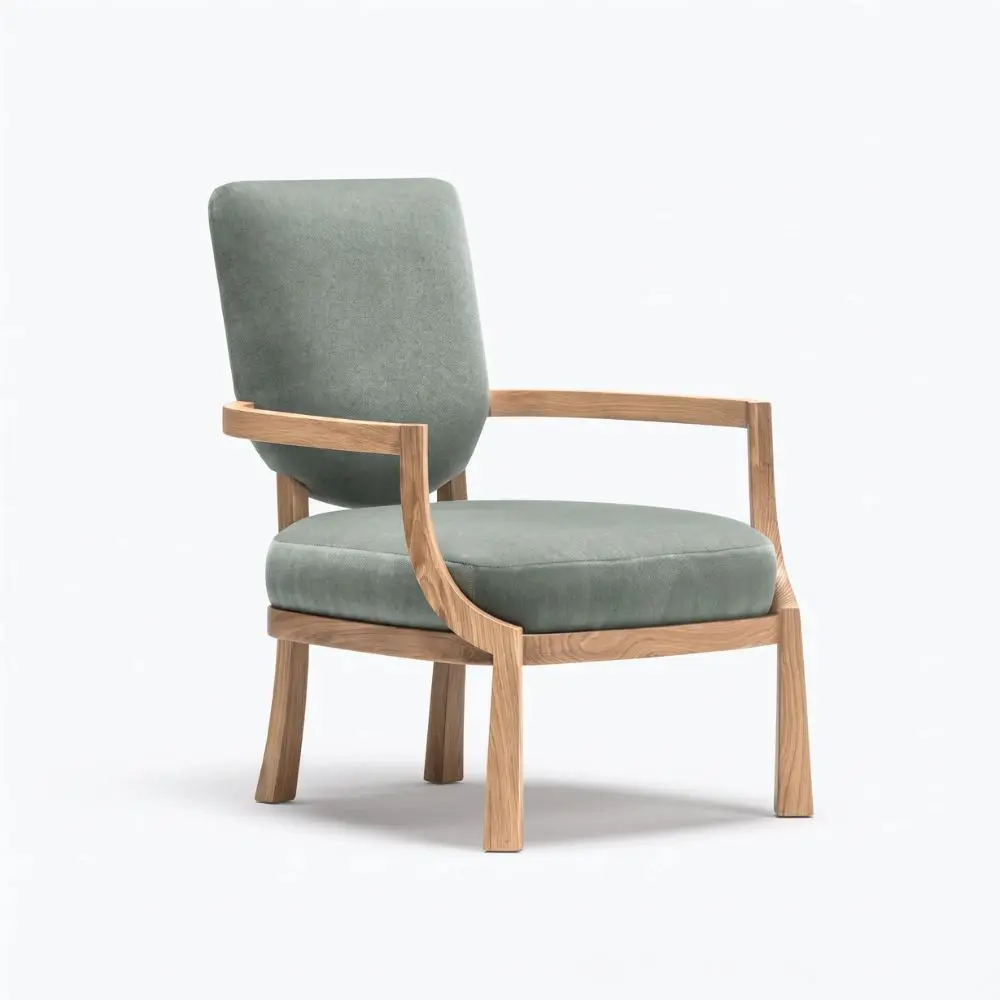
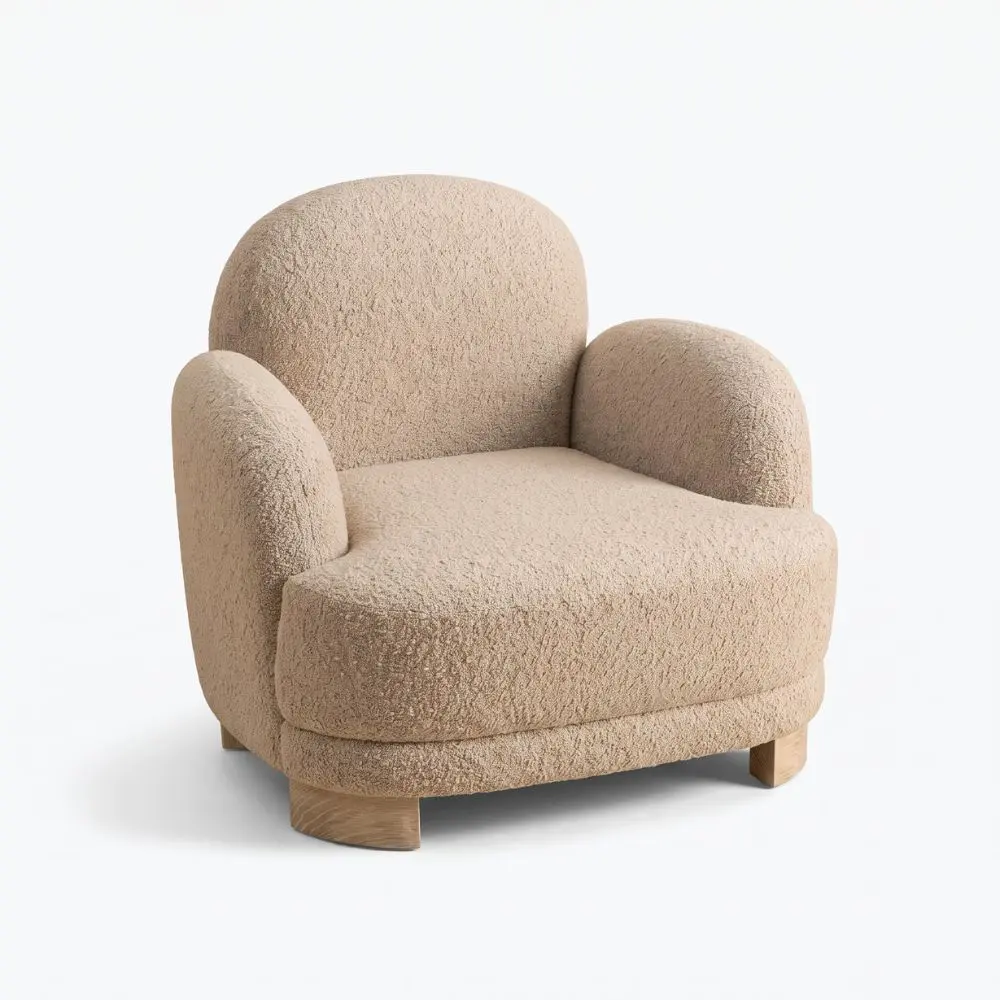
What distinguishes this exhibition is its emphasis on atmosphere and sensory experience. The scenography integrates sound, lighting and even scents to immerse visitors in the rhythms of eighteenth-century life. Rather than presenting the past as a distant and static world, the exhibition aims to make it tangible and experiential. In this sense, the visitor becomes less a spectator than a guest moving through the rooms of the house. The curators also use the exhibition to explore the broader social and intellectual context of the period. The eighteenth century was the age of the Enlightenment, when ideas about science, sociability and individual sensibility reshaped European culture. Many of the objects on display—from finely crafted clocks to elegant furniture—reflect the period’s fascination with refinement, technical innovation and the art of living. The furniture in particular, crafted by master cabinetmakers, has inspired the work of Leo Sentou, now on view in our London gallery.

By reconstructing an entire domestic environment rather than focusing on individual masterpieces, Une journée au XVIIIe siècle highlights the decorative arts as an essential key to understanding everyday life in the past. Furniture, tableware, clothing and personal accessories become historical documents that reveal how people moved, socialized and represented themselves within their homes. Ultimately, the exhibition offers more than a nostalgic glimpse of aristocratic elegance. It invites visitors to reflect on how domestic space, social rituals and material culture shape the experience of daily life—both in the eighteenth century and today. Through its immersive storytelling and rich collections, the Musée des Arts Décoratifs transforms history into a lived experience, allowing audiences to walk, quite literally, through a day in another century.